

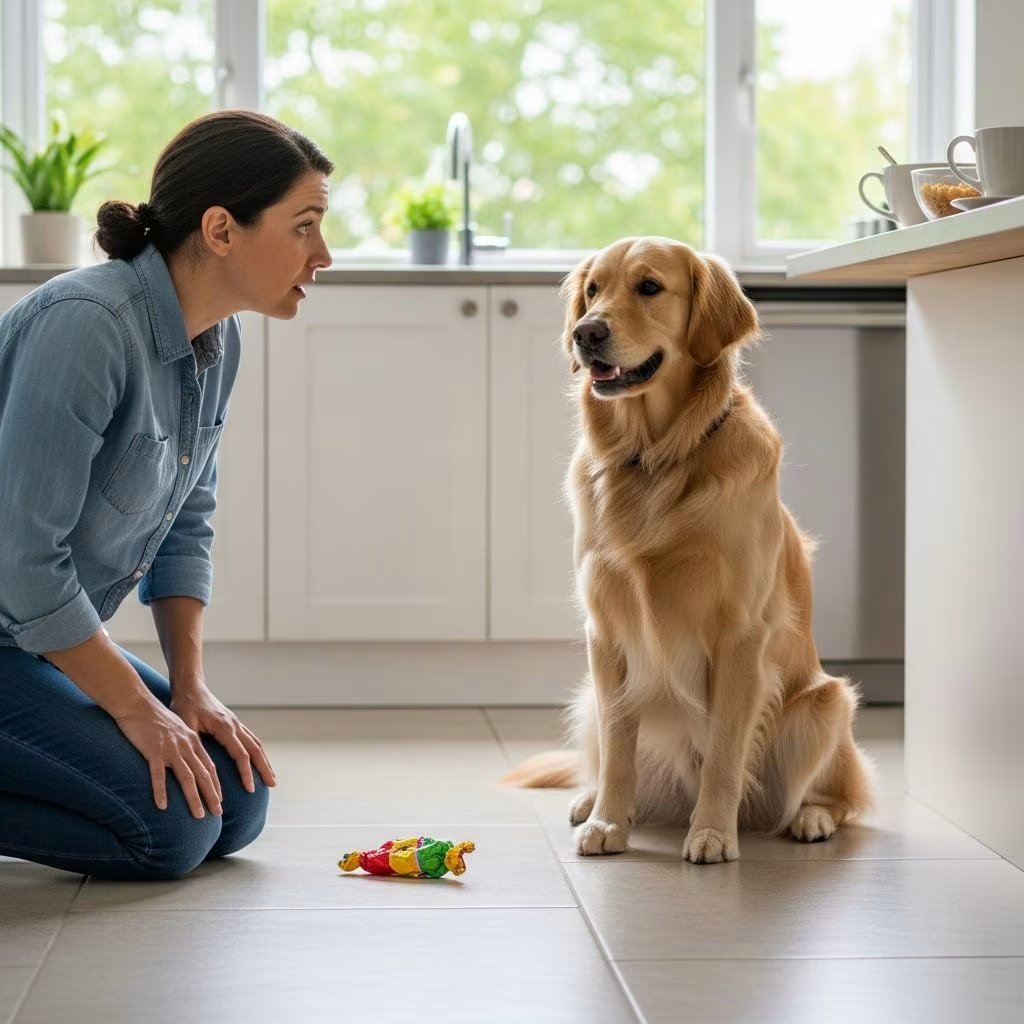
Uh Oh, My Dog Ate a Candy Wrapper! What Do I Do?
Finding an empty candy wrapper on the floor or discovering that your dog got into the Halloween candy stash can be alarming. Dogs rarely bother to remove wrappers before eating candy, which means the wrapper often ends up in their digestive system along with the candy itself. The good news is that most candy wrapper incidents don’t require emergency surgery, but knowing how to respond quickly and what symptoms to watch for can make a significant difference in your pet’s health and safety. This comprehensive guide will help you understand the risks and take the right steps to protect your dog.
Signs Your Pet Has Eaten a Candy Wrapper
When your dog gets into candy, it’s crucial to act quickly and stay informed about what to look for. According to veterinary experts, if your pet gets into Halloween candy or any other type of candy, you should start monitoring them closely for symptoms that may develop. Most pets don’t remove wrappers before consuming candy, so both the candy and the wrapper need to be considered when assessing the situation.
Information to Gather Immediately
If you suspect your cat or dog ate candy, take note of the following details before calling your veterinarian:
- What kind of candy your dog or cat ate
- How much you think was ingested
- Whether the wrapper was also eaten
- The type of wrapper (foil, cellophane, plastic, or paper)
- Approximately how much time has passed since ingestion
Symptoms of Wrapper Ingestion
If the wrapper was eaten along with the candy, watch carefully for these warning signs:
- Vomiting or repeated vomiting
- Decreased appetite or loss of appetite
- Tiredness and lethargy
- Inability to poop or straining to defecate
- Abdominal swelling or distension
- Abdominal pain or discomfort
- Restlessness and excessive panting
The first symptoms typically appear within 6 to 12 hours after your dog eats candy, though this timeline can vary depending on the type and amount consumed. In some cases, your dog may appear to improve initially but then become sick again, which warrants immediate veterinary attention.
What To Do if Your Pet Eats Candy
If you suspect that your pet has eaten a candy wrapper, taking the right steps immediately can prevent serious complications. Here’s what you should do:
Immediate Steps to Take
Step 1: Stay Calm and Assess — Determine the type and amount of candy consumed and whether wrappers were ingested. Gather the candy packaging if available to bring to your veterinarian.
Step 2: Contact Your Veterinarian or Emergency Vet — Time is critical when dealing with potential toxins. Call your regular veterinarian or an emergency animal clinic immediately. Provide them with details about what your dog ate, how much, and when.
Step 3: Follow Professional Guidance — Do not induce vomiting at home without veterinary supervision. If your dog ate candy with toxic ingredients like xylitol or chocolate within the last two hours, your veterinarian may recommend inducing vomiting to prevent further absorption of toxins. However, this should only be done under professional guidance.
Step 4: Visit Your Veterinarian — Most episodes require a veterinary checkup and X-rays to assess whether a blockage has occurred or if toxic substances were ingested. X-rays help veterinarians locate and assess the severity of any blockages.
At-Home Care While Waiting
While you’re waiting for veterinary guidance or preparing to visit the vet, keep your dog in a cool, quiet space and help keep them as calm as possible. Avoid giving your dog food or water until speaking with your veterinarian, as this may complicate diagnosis or treatment. Monitor your pet closely for any changes in condition or worsening symptoms.
Treatment Options
Most candy wrapper incidents do not require surgery. Common treatment approaches include:
- Observation and monitoring
- Lubricating the intestines to help dislodge material and allow proper elimination
- Dietary modifications, such as fibrous foods like bread, which can help “carry” the wrapper through your pet’s system
- X-rays and blood tests to assess toxicity levels
- In severe cases, surgical removal of blockages
Understanding Specific Wrapper Types and Risks
Foil Wrappers
Foil wrappers pose a particular risk because they can cause a bowel obstruction requiring surgical correction. Foil does not digest and can bunch up in the digestive tract, especially in smaller dogs. These wrappers can also adhere to the lining of your pet’s stomach, making them difficult to diagnose because they may not show up clearly on X-rays.
Cellophane Wrappers
Cellophane wrappers carry similar risks to foil wrappers, potentially causing bowel obstructions and gastrointestinal irritation. These wrappers can become lodged in your dog’s throat or intestinal tract, sometimes requiring surgery to remove.
Hard Candy Considerations
Beyond wrapper concerns, hard candies themselves can be problematic. Large quantities can clump up in your dog’s stomach and cause a risk of intestinal obstruction. Additionally, hard candies pose a choking hazard, particularly for smaller dogs or aggressive chewers.
Toxic Ingredients in Candy: Xylitol and Chocolate
Xylitol Toxicity: The Silent Killer
Certain sugar-free candies and baked goods contain xylitol, a sugar substitute that is extremely dangerous for dogs. Xylitol is over 100 times more toxic to dogs than chocolate, making it one of the most serious candy-related hazards pet owners should know about.
How Xylitol Affects Dogs — When dogs ingest xylitol, it causes a dangerous drop in blood sugar and can damage the liver. The symptoms develop rapidly:
- Vomiting
- Loss of coordination
- Lethargy and depression
- Collapse or coma
- Seizures
- Liver failure
Critical Timeline — Symptoms of xylitol toxicity can develop within 10 to 60 minutes of ingestion, with some sources indicating symptoms can appear within 15–30 minutes. This rapid onset makes immediate veterinary care absolutely essential. Even small amounts can cause life-threatening drops in blood sugar.
Treatment for Xylitol Poisoning — If detected early enough—within two hours of ingestion—your veterinarian may induce vomiting to prevent further absorption. For full-blown symptoms of hypoglycemia, your dog must be treated by a veterinarian until blood glucose returns to normal. Unfortunately, there is no known antidote for xylitol intoxication; treatment is supportive, focusing on correcting hypoglycemia and preventing acute liver failure. For many small breeds, xylitol poisoning can be fatal without early veterinary intervention.
Chocolate Toxicity
Different types of chocolate contain varying levels of theobromine, the chemical toxic to dogs. Understanding these differences helps determine risk levels:
| Chocolate Type | Toxicity Level | Risk Assessment |
|---|---|---|
| Baking Chocolate | Highest | Most dangerous for pets |
| Dark Chocolate | High | Can lead to toxicity |
| Semi-Sweet Chocolate | Moderate | Toxicity possible |
| Milk Chocolate | Lower | Less likely to cause serious toxicity |
| White Chocolate | Lowest | Contains minimal theobromine |
Symptoms of Chocolate Poisoning — If your dog eats chocolate, watch for these warning signs:
- Vomiting
- Diarrhea
- Low blood pressure
- Rapid breathing
- Increased heart rate
- Seizures
Prevention: The Best Medicine
Preventing candy ingestion is far more effective than treating it after the fact. Here are practical steps to protect your dog:
- Use sealed trash containers during Halloween and other candy-heavy occasions
- Keep candy dishes and bags out of reach
- Use dog-proof bins to prevent pets from accessing discarded wrappers
- Immediately clean up after trick-or-treating or parties
- Educate family members and guests about candy safety around pets
- Store chocolate, sugar-free candies, and other treats securely
- Check your dog’s toys and chews for wrappers
When to Seek Emergency Veterinary Care
Call an emergency vet immediately if you notice any of these symptoms:
- Vomiting or repeated vomiting
- Diarrhea
- Lethargy or depression
- Dehydration
- Decreased appetite
- Difficulty defecating or inability to poop
- Abdominal pain or swelling
- Agitation or restlessness
- Tremors or seizures
- Loss of coordination
- Difficulty breathing
- Pale or yellow gums
- Collapse or loss of consciousness
Additional Candy-Related Hazards
Beyond wrappers, other candy-related items can pose risks. Gum, for example, often contains xylitol and can also cause choking. Glow sticks, sometimes given out during Halloween, contain fluid that isn’t usually fatal but causes pain and irritation, excessive drooling, and foaming at the mouth.
Even non-toxic candies can cause problems when consumed in large quantities. High sugar and fatty candy can lead to pancreatitis, a serious inflammatory condition of the pancreas. This is why early detection and veterinary consultation are so important, even for seemingly “safe” candies.
Frequently Asked Questions
Q: How long does it take for symptoms to appear after my dog eats a candy wrapper?
A: For general candy wrapper ingestion, symptoms typically appear within 6 to 12 hours. However, if the candy contains xylitol, symptoms can develop within 10 to 60 minutes. This is why immediate veterinary consultation is crucial for xylitol exposure.
Q: Will my dog definitely need surgery if they eat a candy wrapper?
A: No. Most candy wrapper incidents do not require surgery. Many dogs pass small wrappers naturally through their digestive system. However, large wrappers or those that cause blockages may require surgical intervention, which is why X-rays and veterinary assessment are important.
Q: What should I do if my dog ate a candy wrapper more than 2 hours ago?
A: Even if several hours have passed, you should still contact your veterinarian. While inducing vomiting is most effective within 2 hours, your vet may still want to monitor your dog and perform X-rays to ensure no blockage has developed.
Q: Can I give my dog bread or fiber to help pass the wrapper?
A: Fibrous foods like bread may help carry the wrapper through your pet’s system, but only do this under veterinary guidance. Your vet needs to rule out blockages before recommending dietary changes.
Q: Is there a difference between how dangerous foil and cellophane wrappers are?
A: Both can be dangerous. Foil wrappers are particularly problematic because they can adhere to the stomach lining and may not show clearly on X-rays. Cellophane wrappers can also cause blockages and gastrointestinal irritation. Size and your dog’s size are important factors in determining risk level.
Q: Should I monitor my dog’s bowel movements after eating a candy wrapper?
A: Yes. Search for the wrapper in your pet’s poop to confirm it has passed through their system. This helps you and your veterinarian confirm that no blockage has occurred. Continue monitoring until you’ve confirmed the wrapper has been eliminated.
Q: What is xylitol and why is it so dangerous?
A: Xylitol is a sugar substitute found in many sugar-free candies, gums, and baked goods. It is over 100 times more toxic to dogs than chocolate. It causes a dangerous drop in blood sugar and can damage the liver. Even small amounts can be life-threatening.
References
- Signs Your Pet Has Eaten a Candy Wrapper — Chewy Education. 2024. https://www.chewy.com/education/dog/health-and-wellness/pet-ate-candy-wrapper-what-to-do
- What to Do if Your Dog Ate Candy — American Kennel Club. 2024. https://www.akc.org/expert-advice/health/dog-ate-candy-what-to-do/
- Beware: Halloween Candies That Could Endanger Your Dog’s Life — Barkley and Paws Pet Health. 2024. https://www.barkleyandpaws.com/dogs-pets/health/which-halloween-candy-is-most-toxic-to-dogs/
- What to Do If Your Dog Eats Candy — Pet Method Animal Hospital. 2024. https://www.petmethoddfw.com/blog/what-to-do-if-your-dog-eats-candy-pet-method-animal-hospital
- What to Do If Your Dog Eats Halloween Candy — East Valley Animal Hospital. 2024. https://www.eastvalleyanimal.com/what-to-do-if-your-dog-eats-halloween-candy/



