

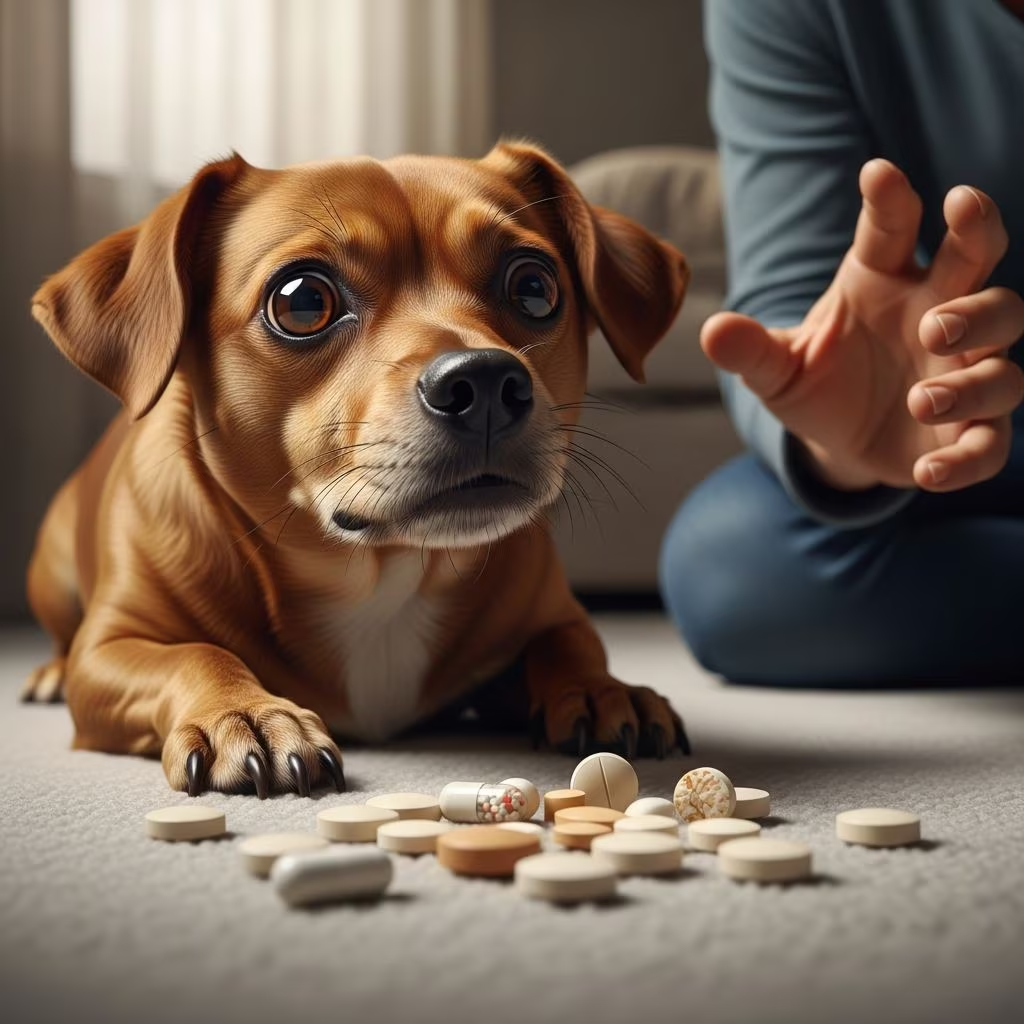
Blood pressure medications pose significant risks to dogs due to their differing metabolism compared to humans, potentially causing dangerously low blood pressure, weakness, and coordination issues. Owners must act swiftly by contacting a veterinarian immediately upon discovery to mitigate these effects and improve recovery chances.
Understanding the Dangers of Human Blood Pressure Drugs in Dogs
Human blood pressure pills, such as ACE inhibitors and beta-blockers, work by relaxing blood vessels or slowing heart rate in people, but in dogs, they can disrupt normal cardiovascular function. These drugs are rapidly absorbed, leading to peak effects within hours, which amplifies toxicity risks even from small doses. Unlike humans, dogs lack the enzymes to efficiently process many human pharmaceuticals, heightening susceptibility to poisoning.
Common types include ACE inhibitors like enalapril, which affect kidney function and blood pressure regulation, and beta-blockers such as atenolol or metoprolol that slow the heart. Ingestion disrupts a dog’s homeostasis, potentially leading to hypotension severe enough to impair organ perfusion.
Common Scenarios Leading to Accidental Ingestion
Dogs often access pills dropped on floors, left on counters, or from unsecured bottles due to their curious nature and keen sense of smell. Small breeds face higher risks from even partial tablets because toxicity scales with body weight. Preventive storage in locked cabinets is essential, as child-proof caps do not deter determined pets.
Recognizing Symptoms of Blood Pressure Pill Toxicity
Symptoms typically emerge within 30 minutes to a few hours post-ingestion, starting with subtle signs that can escalate rapidly. Monitor closely for these indicators:
- Weakness or lethargy: Dog appears unusually tired or reluctant to move.
- Stumbling or lack of coordination: Ataxia signals nervous system involvement.
- Slow heart rate: Bradycardia from beta-blockers reduces circulation.
- Low blood pressure signs: Pale gums, cold extremities, or collapse.
- Gastrointestinal upset: Vomiting, diarrhea, or abdominal discomfort.
In severe cases, dogs may exhibit disorientation, rapid breathing, or fainting, necessitating emergency intervention.
Immediate Response Protocol: Step-by-Step Guide
Time is critical; delay can worsen outcomes. Follow these steps precisely:
- Assess the situation: Identify the pill type, strength, and estimated amount ingested by checking the bottle.
- Do not induce vomiting: Unlike some toxins, this can aspirate or exacerbate issues with certain blood pressure drugs—vet approval required first.
- Contact professionals: Call your vet, emergency clinic, or Pet Poison Helpline at 855-764-7661 immediately.
- Gather details: Note ingestion time, dog’s weight, breed, and symptoms to aid diagnosis.
- Transport safely: If advised, bring the dog to the clinic with the medication container.
Even asymptomatic dogs warrant evaluation, as effects may lag.
Veterinary Diagnosis and Assessment Methods
Vets conduct a thorough history review, physical exam, and diagnostics to confirm toxicity and gauge severity. Key tests include:
| Test | Purpose | Key Findings |
|---|---|---|
| Complete Blood Count (CBC) | Detect inflammation or anemia | Abnormal white cells or low red cells |
| Blood Chemistry Panel | Evaluate organ function | Elevated kidney values or electrolyte imbalances |
| Urinalysis | Assess kidney health | Proteinuria or concentrated urine |
| Electrocardiogram (ECG) | Monitor heart rhythm | Bradycardia or arrhythmias |
| Blood Pressure Measurement | Confirm hypotension | Readings below normal canine range |
Baseline bloodwork tracks progression, guiding tailored therapy.
Treatment Approaches for Blood Pressure Medication Overdose
Early intervention yields high success rates through decontamination and supportive care. Standard protocols involve:
- Decontamination: Activated charcoal to bind toxins if recent ingestion.
- IV Fluids: Restore blood pressure and support kidneys.
- Specific Antidotes: For beta-blockers, drugs like atropine; for ACE inhibitors, monitoring suffices often.
- Symptomatic Relief: Anti-nausea meds, oxygen, or pressors for severe hypotension.
- Hospitalization: 24-48 hour monitoring for critical cases.
Prognosis excels with prompt care, though delays risk organ damage.
Preventing Future Incidents: Practical Safety Measures
Proactive habits safeguard pets:
- Store all meds in high, locked cabinets.
- Use pet-proof containers beyond child-proof standards.
- Dispose of unused pills securely via take-back programs.
- Educate household members on risks.
- Supervise dogs around bags or tables.
Regular vet checkups ensure canine-specific hypertension management if needed, avoiding human drugs.
Special Considerations for Different Dog Sizes and Breeds
Toxicity thresholds vary: toy breeds like Chihuahuas risk severe effects from 1/4 tablet, while large breeds tolerate more but still require care. Puppies, seniors, or those with pre-existing heart/kidney issues face amplified dangers. Always provide weight-specific details to vets.
FAQ: Common Questions on Dog Blood Pressure Pill Ingestion
Q: How soon do symptoms appear after ingestion?
A: Usually 30 minutes to 3 hours, but monitoring for 24 hours is advised.
Q: Is one pill fatal for a small dog?
A: Potentially yes, depending on the drug and dose; immediate vet care is vital.
Q: Can I treat this at home?
A: No—professional guidance prevents complications.
Q: What if my dog seems fine now?
A: Latent effects possible; consult a vet regardless.
Q: Are all blood pressure meds equally toxic?
A: Beta-blockers and ACE inhibitors vary, but all warrant caution.
Long-Term Health Monitoring Post-Incident
Post-recovery, schedule follow-ups for bloodwork to detect subclinical kidney or heart impacts. Maintain a toxin-free home and consider pet insurance for emergencies. Educating on all human meds reduces recurrence risks.
This comprehensive approach empowers owners to handle crises effectively, prioritizing pet well-being through knowledge and vigilance.
References
- Dog Ate Antidepressant Pill? Critical Emergency Steps for Pet Owners — GSVS. 2023. https://gsvs.org/blog/dog-ate-antidepressant-pill-urgent-care/
- My Dog Ate My Pills! 10 Most Dangerous Human Medications for Pets — American Kennel Club (AKC). 2023-01-15. https://www.akc.org/expert-advice/health/the-10-human-medications-most-dangerous-to-dogs/
- Drug Poisoning in Dogs — PetMD. 2024. https://www.petmd.com/dog/emergency/digestive/e_multi_drug_poisoning
- ACE-inhibitors Poisoning in Dogs – Symptoms, Causes, Diagnosis — WagWalking. 2023. https://wagwalking.com/condition/ACE-inhibitors-poisoning
- Top Ten Human Medications that Poison Pets — My Pet Clinic. 2022-06-10. https://www.mypetclinic.net/common-medication-toxicities-in-pets.pml
- 24/7 Animal Poison Control Center — Pet Poison Helpline. 2026. https://www.petpoisonhelpline.com



