

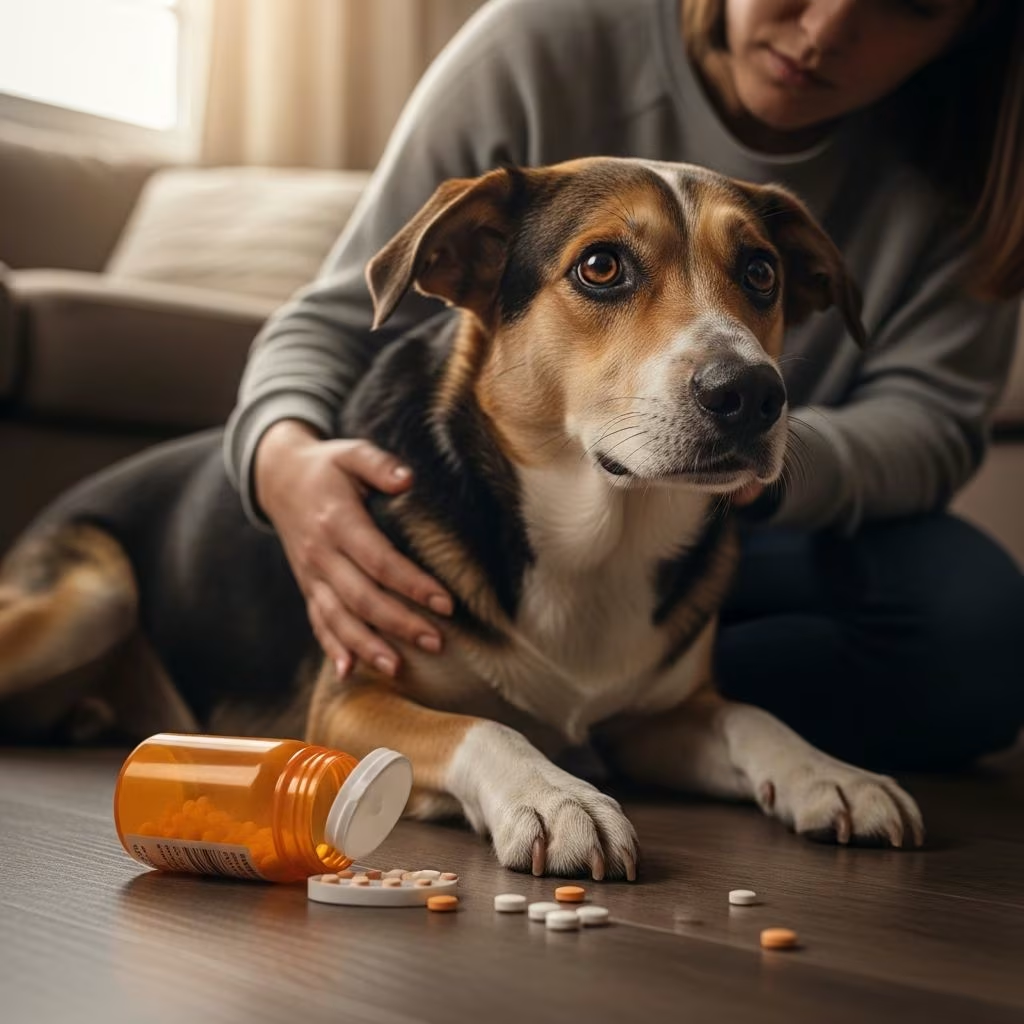
Accidental medication ingestion represents one of the most common veterinary emergencies pet owners face, with birth control pills ranking among the top ten drugs accidentally consumed by dogs. When you discover your beloved canine companion has gotten into your medication, panic naturally follows. However, understanding the actual risk level and appropriate response protocols can help you navigate this stressful situation with confidence and clarity.
Assessing the True Risk Level
The initial concern when your dog consumes birth control pills is understandable, but the reality is more reassuring than many pet owners anticipate. Birth control medications contain relatively low concentrations of hormonal compounds, primarily estrogen and progesterone. Most dogs will experience minimal to no serious adverse effects from consuming a single pill or even a small number of pills, making this scenario far less dire than it initially appears.
The pharmaceutical formulation of birth control pills has evolved to minimize systemic hormonal exposure in human users, and this same characteristic provides some protection for dogs. The hormonal doses are intentionally kept at the lowest effective level, which means incidental consumption rarely triggers significant toxicity responses. Veterinary toxicologists have established that substantial quantities—typically hundreds of pills—would need to be ingested to produce clinically significant hormonal effects in most dogs.
However, toxicity potential does vary based on several factors including the dog’s body weight, age, reproductive status, and the specific formulation of the birth control pill consumed. Small breed dogs face proportionally greater risk than large breeds when exposed to the same number of pills due to dose-to-weight ratios. Puppies and very young dogs may show increased sensitivity, as might pregnant or intact female dogs whose reproductive systems are already hormonally active.
Immediate Identification and Information Gathering
Your first action after discovering birth control pill consumption should focus on gathering critical information rather than immediately rushing to the veterinary clinic. This intelligence gathering phase significantly impacts the appropriateness of subsequent medical intervention.
Key information to collect immediately:
- Approximate time of ingestion—this determines whether decontamination procedures are viable
- Number of pills your dog consumed, if determinable
- Whether the medication packaging was also ingested
- Specific birth control formulation and active ingredients
- Whether the pills contain iron supplementation (often included in certain brands)
- Your dog’s current weight and overall health status
Retrieving the birth control pill packaging is essential, as it contains the precise medication name and dosage information. Different birth control formulations contain varying hormone concentrations, and some include additional active ingredients like iron that carry their own toxicity profiles. Armed with this packaging information, you can provide veterinarians with the specificity they need to make informed recommendations.
Recognizing Potential Symptom Development
While serious complications remain rare, monitoring your dog for specific clinical signs helps you determine whether veterinary intervention becomes necessary. Symptom onset typically occurs within hours of ingestion, with most signs being relatively mild and self-limiting.
Commonly observed mild symptoms include:
- Mild vomiting or retching
- Loose stools or diarrhea
- Reduced appetite or temporary anorexia
- Lethargy or decreased activity levels
- Mild abdominal discomfort
These gastrointestinal effects typically represent the body’s natural response to an unfamiliar substance and generally resolve within 24 to 48 hours without specific medical intervention. Most dogs tolerate accidental birth control consumption remarkably well, experiencing symptoms that mirror the mild upset they might show after eating something unusual from their environment.
In rare scenarios involving genuinely large quantities of estrogen-containing pills, female dogs might develop reproductive tract manifestations including vulvar swelling or mild vaginal bleeding resembling a heat cycle. These signs, while concerning in appearance, typically resolve spontaneously within days as hormone levels normalize.
The Packaging Obstruction Consideration
While the birth control pills themselves present minimal toxicity risk in normal quantities, the packaging warrants serious consideration. Blister packs, aluminum backing, plastic containers, and cardboard boxes constitute foreign material that cannot be digested. When dogs consume pill packaging alongside the medication, gastrointestinal obstruction becomes the primary concern—potentially a more serious complication than the hormonal content itself.
Signs suggesting possible obstruction include:
- Repeated vomiting that persists beyond a few hours
- Inability to retain food or water
- Abdominal pain or distension
- Complete loss of appetite
- Absence of normal bowel movements
- Extreme lethargy or depression
- Signs of dehydration
Intestinal obstructions represent genuine surgical emergencies, particularly if the blockage progresses to bowel perforation or sepsis. This is why determining whether packaging was consumed carries equal importance to identifying pill quantity.
Decision Tree: When to Seek Veterinary Care
Not every accidental birth control ingestion requires an emergency veterinary visit, though professional guidance remains invaluable. Establishing clear decision criteria helps pet owners respond proportionally to actual risk.
Contact your veterinarian or poison control center immediately if:
- Your dog consumed packaging material along with pills
- Quantity ingested suggests possible toxic dosing
- Your dog is a small breed, puppy, or pregnant female
- Symptoms appear or escalate beyond mild gastrointestinal upset
- Your dog has pre-existing health conditions affecting medication metabolism
- The birth control contains iron or other concerning active ingredients
Home monitoring may be appropriate if:
- Single pill ingestion with no packaging consumed
- Your dog is a large adult dog in good health
- Only mild symptoms develop, if any
- You’ve verified the dosage is well below toxic thresholds
Professional Veterinary Response Protocols
When you do contact a veterinarian or poison control center, understanding what they might recommend helps you prepare and make informed decisions. Veterinary responses vary based on the specific circumstances and timing of ingestion.
If consultation occurs within two hours of ingestion and substantial quantities were consumed, veterinarians may recommend inducing vomiting to prevent pill absorption. This decontamination procedure works most effectively during this early window and may prevent systemic absorption of hormones. Vomiting induction must occur under veterinary supervision, as improper technique can cause aspiration or additional gastrointestinal injury.
Activated charcoal administration represents another potential decontamination strategy, as this substance binds hormonal compounds in the digestive tract, preventing their absorption. This approach becomes relevant if pills have already entered the intestinal tract beyond the vomiting window.
For cases involving genuinely large quantities of pills or concerning active ingredients like iron, supportive care including intravenous fluid therapy may be recommended. Hospitalization allows veterinarians to monitor for complications and provide therapies as needed, particularly if concerning symptoms develop.
Special Considerations for At-Risk Populations
Certain dog populations warrant more conservative management approaches due to increased vulnerability. Small breed dogs have a lower margin for error due to body weight considerations—a dose that represents negligible risk for a seventy-pound dog might constitute genuine concern for a seven-pound Chihuahua.
Puppies and very young dogs often show heightened sensitivity to hormonal compounds as their systems are still developing. Pregnant females already experience significant hormonal fluctuations, potentially making them more susceptible to exogenous hormone effects. Intact (unspayed) females with active reproductive cycles warrant special attention, as their systems are already primed for hormonal sensitivity.
Dogs with compromised liver or kidney function metabolize medications less efficiently, potentially leading to prolonged hormonal exposure and increased toxicity risk. Pre-existing gastrointestinal conditions may increase the likelihood of obstruction complications if packaging was consumed.
Recognizing Rare but Serious Complications
While uncommon, severe complications can develop from very large birth control pill quantities. Estrogen-induced bone marrow suppression represents the most concerning potential complication, reducing the production of red blood cells, white blood cells, and platelets. This condition typically requires hundreds of pills and is more commonly associated with higher-dose hormone replacement therapies than standard birth control formulations.
Signs of bone marrow suppression include unusual bruising or bleeding, pale gum color, lethargy, and increased susceptibility to infection. These symptoms require immediate veterinary intervention and may necessitate hospitalization with supportive blood transfusions if severe.
Practical Prevention Strategies
The most effective approach to birth control pill accidents involves preventing access in the first place. Store all medications in dog-proof containers stored on high shelves or in locked cabinets. Bathroom medicine cabinets should be secured, as this represents a common location for inadvertent medication discovery. Avoid leaving medications on nightstands or countertops where curious dogs might investigate.
When taking medications, ensure pills are immediately returned to their storage container rather than left sitting out. Be especially vigilant during medication refills when bottles are opened and pills are more exposed. Consider using pill organizers that seal completely, preventing accidental spills that might attract canine interest.
Frequently Asked Questions
Q: How many birth control pills would actually be toxic to my dog?
A: Hundreds of pills would typically be required to produce clinically significant toxicity in most dogs. A single pill or even a handful of pills poses minimal risk in most cases, though packaging consumption warrants veterinary evaluation.
Q: Should I force my dog to vomit at home?
A: No. Never induce vomiting without explicit veterinary instruction. Improper vomiting induction can cause serious complications including aspiration pneumonia or esophageal damage.
Q: What if my dog ate the entire birth control pack?
A: Contact poison control or your veterinarian immediately. Large quantities of pills require professional evaluation and potentially aggressive decontamination procedures.
Q: Can birth control pills cause my dog to become sterile?
A: No. Incidental birth control ingestion does not cause permanent reproductive changes or sterility in dogs.
Summary and Key Takeaways
Birth control pill ingestion in dogs typically represents a manageable situation rather than a life-threatening emergency. The hormonal concentrations in standard birth control formulations are simply too low to produce serious toxicity from single or small-quantity exposures. However, the packaging accompanying these pills warrants genuine concern, and certain dog populations require more conservative management.
Your immediate response should focus on gathering information about the specific pills and quantity consumed, determining whether packaging was ingested, and contacting professional resources with this information. The Pet Poison Helpline and ASPCA poison control provide expert guidance specific to your situation, allowing veterinarians to make individualized recommendations based on your dog’s weight, health status, and the specific medication consumed.
Most dogs recover completely from accidental birth control consumption without any lingering complications, and appropriate monitoring combined with professional guidance when necessary ensures the best possible outcomes for your beloved companion.
References
- Dog Ate Birth Control Pill: What To Do & When To Worry — Pawp. 2024. https://pawp.com/dog-ate-birth-control-pill/
- My Dog Ate Birth Control. Now What? — PetMD. 2024. https://www.petmd.com/dog/poisoning/my-dog-ate-birth-control-now-what
- My Dog Ate My Birth Control: Here’s What to Do (Vet Answer) — Hepper. 2024. https://articles.hepper.com/dog-ate-birth-control-what-to-do-vet-answer/
- Don’t Panic! Five Items Pet Parents Shouldn’t Worry About — ASPCA. https://www.aspca.org/news/dont-panic-five-items-pet-parents-shouldnt-worry-about
- 24/7 Animal Poison Control Center — Pet Poison Helpline®. https://www.petpoisonhelpline.com
- Birth Control Pills & Dogs: Risks, Symptoms & What to Do — Animal Poisons. https://www.animalpoisons.com.au/news/birth-control-pills-and-dogs/



