

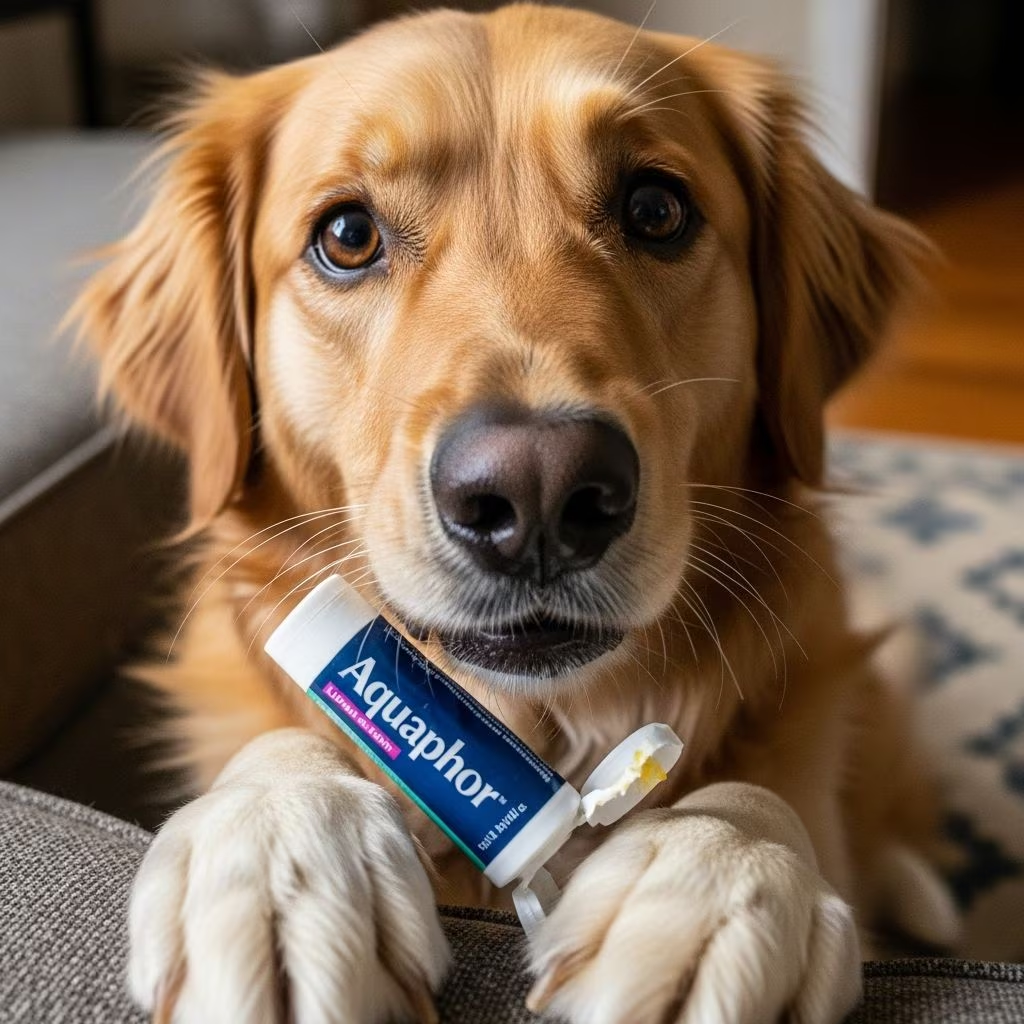
Aquaphor, a popular human skin ointment, is occasionally ingested by dogs due to its appealing texture or accidental access during topical application. While not inherently poisonous, consumption can lead to temporary discomfort depending on the quantity eaten. This comprehensive guide explores the implications, symptoms, immediate responses, and preventive measures to keep your pet safe.
Understanding Aquaphor and Its Appeal to Dogs
Aquaphor primarily consists of petrolatum, mineral oil, glycerin, and panthenol, ingredients designed to soothe and protect human skin by forming a moisture-retaining barrier. Dogs may be drawn to it because of its smooth, greasy consistency, which mimics fats they instinctively seek. Small licks from treated paws or noses rarely pose issues, as these components lack toxicity for canines. However, larger ingestions overwhelm the digestive system, potentially causing loose stools or nausea due to their laxative properties.
Pet owners often apply Aquaphor to dry paw pads, cracked noses, or minor abrasions, making incidental ingestion common. Awareness of its composition helps demystify why it’s generally tolerated in trace amounts but problematic in excess.
Immediate Effects of Ingestion: What to Expect
When a dog consumes Aquaphor, effects vary by amount and pet size. A tiny Chihuahua devouring a full tube faces greater risks than a large breed with minor exposure. Common mild reactions include:
- Excessive drooling or lip licking from the melting ointment’s slimy mouthfeel.
- Mild nausea, possibly with foamy burps or appetite loss as oils mix with stomach contents.
- Soft stools or diarrhea triggered by petrolatum and glycerin’s laxative action.
Severe cases, though uncommon, might involve persistent vomiting or dehydration from prolonged GI upset. Watch small dogs closely, as their systems process less volume efficiently.
Symptoms Requiring Close Monitoring
| Symptom | Description | Action Needed |
|---|---|---|
| Drooling/Lip Smacking | Ointment melts, prompting saliva production | Observe; offer water |
| Vomiting | One-off or repeated greasy emesis | Monitor frequency; withhold food 12 hours |
| Diarrhea | Loose, oily stools | Ensure hydration; probiotic if mild |
| Lethargy/Dehydration | Weakness, dry gums | Vet visit immediately |
Track symptoms over 24-48 hours. Most resolve without intervention, but escalation warrants professional input.
Step-by-Step Response if Your Dog Ingests Aquaphor
- Assess Quantity: Estimate amount eaten. Small dabs (under 1 tsp for large dogs) often need no action beyond watching.
- Prevent Further Intake: Secure the product and clean accessible areas like paws or muzzle.
- Do Not Induce Vomiting: Petrolatum foams thickly with emetics, risking aspiration or choking.
- Contact Professionals: Call your vet or pet poison hotline (e.g., ASPCA at 888-426-4435) for tailored advice, providing dog weight, amount ingested, and time elapsed.
- Supportive Care: Fast for 12 hours, then introduce bland diet (boiled chicken/rice). Ensure fresh water access to combat dehydration.
- Follow Up: If symptoms persist beyond 48 hours, seek exam for underlying issues.
This protocol prioritizes safety without unnecessary escalation.
Preventing Accidental Ingestion
Proactive habits minimize risks:
- Apply thinly to limit appeal and residue.
- Use Elizabethan collars or dog booties post-application to deter licking.
- Store ointments in locked cabinets, out of paw reach.
- Opt for pet-specific balms like Musher’s Secret for routine care, reducing human product reliance.
Distraction with toys or walks post-treatment aids compliance.
Safe Topical Applications for Canine Skin Issues
Beyond ingestion concerns, Aquaphor shines for external use on suitable conditions:
- Dry Paw Pads: Soothes cracks from hot pavement or winter salt; reapply after walks.
- Chapped Noses: Hydrates hyperkeratotic snouts without toxicity.
- Minor Cuts/Scrapes: Thin layer promotes healing, but avoid open wounds.
Steer clear of infected areas, deep ulcers, or ears, where occlusion fosters bacteria. Test a small patch first for allergy signs like redness or itching.
Potential Risks and When to Avoid Use
Though safe broadly, exceptions exist:
- Allergies: Rare reactions to ingredients manifest as worsened irritation.
- Infected Skin: Traps moisture, exacerbating issues.
- Surgical Sites: Never apply without vet approval; disrupts healing.
- Large Ingestion: GI distress possible, especially in tiny breeds.
Consult vets for chronic skin woes, as underlying allergies or infections may need targeted therapies.
Alternatives to Aquaphor for Pet Skin Care
Pet-formulated options offer similar benefits with canine safety:
| Product Type | Best For | Key Advantage |
|---|---|---|
| Petroleum-Free Balms | Paws/Nose | Less lick risk |
| Oatmeal-Based Creams | Itchy Skin | Anti-inflammatory |
| Coconut Oil | Mild Moisturizing | Natural digestibility |
| Vet-Prescribed Ointments | Infections/Wounds | Antibacterial properties |
These reduce human product needs, though Aquaphor remains viable sparingly.
Frequently Asked Questions
Is Aquaphor toxic to dogs if licked off paws?
No, small amounts are non-toxic, but excessive licking may cause stomach upset.
How much Aquaphor is dangerous for a dog?
Dose-dependent; large volumes (e.g., full tube for small dogs) heighten GI risks.
Can I use Aquaphor on my puppy’s dry nose?
Yes, thinly applied, but prevent licking and monitor for reactions.
What if my dog vomits after eating Aquaphor?
One episode often self-resolves; multiple instances need vet contact.
Does Aquaphor help heal dog cuts?
It protects minor ones but skip for oozing or deep injuries.
Long-Term Skin Health Tips for Dogs
Maintain coat and skin via diet rich in omega-3s, regular baths with hypoallergenic shampoos, and humidity control. Routine vet dermatology checks catch issues early. Hydration and exercise bolster natural barriers against dryness.
For persistent problems, bloodwork or biopsies may uncover allergies or hormonal imbalances. Holistic approaches like fish oil supplements complement topicals effectively.
References
- Is Aquaphor Safe for Dogs? A Vet Explains the Truth — PetLab Co. 2023-2024. https://thepetlabco.com/learn/dog/health-wellness/is-aquaphor-safe-for-dogs
- Can You Put Aquaphor on Dogs? Vet-Verified Facts & FAQ — Dogster. 2024-01-15. https://www.dogster.com/dog-health-care/can-you-put-aquaphor-on-dogs
- Can I Put Aquaphor On My Dog? A Vet Addresses 11 Scenarios — ToeGrips. 2023-11-20. https://toegrips.com/can-i-put-aquaphor-on-my-dog/
- My Dog Ate Aquaphor: Here’s What to Do (Vet Answer) — Hepper. 2024-05-10. https://articles.hepper.com/my-dog-ate-aquaphor-vet-answer/
- Is Aquaphor safe for dogs? — BetterPet. 2023-12-05. https://www.betterpet.com/learn/aquaphor-for-dogs



