

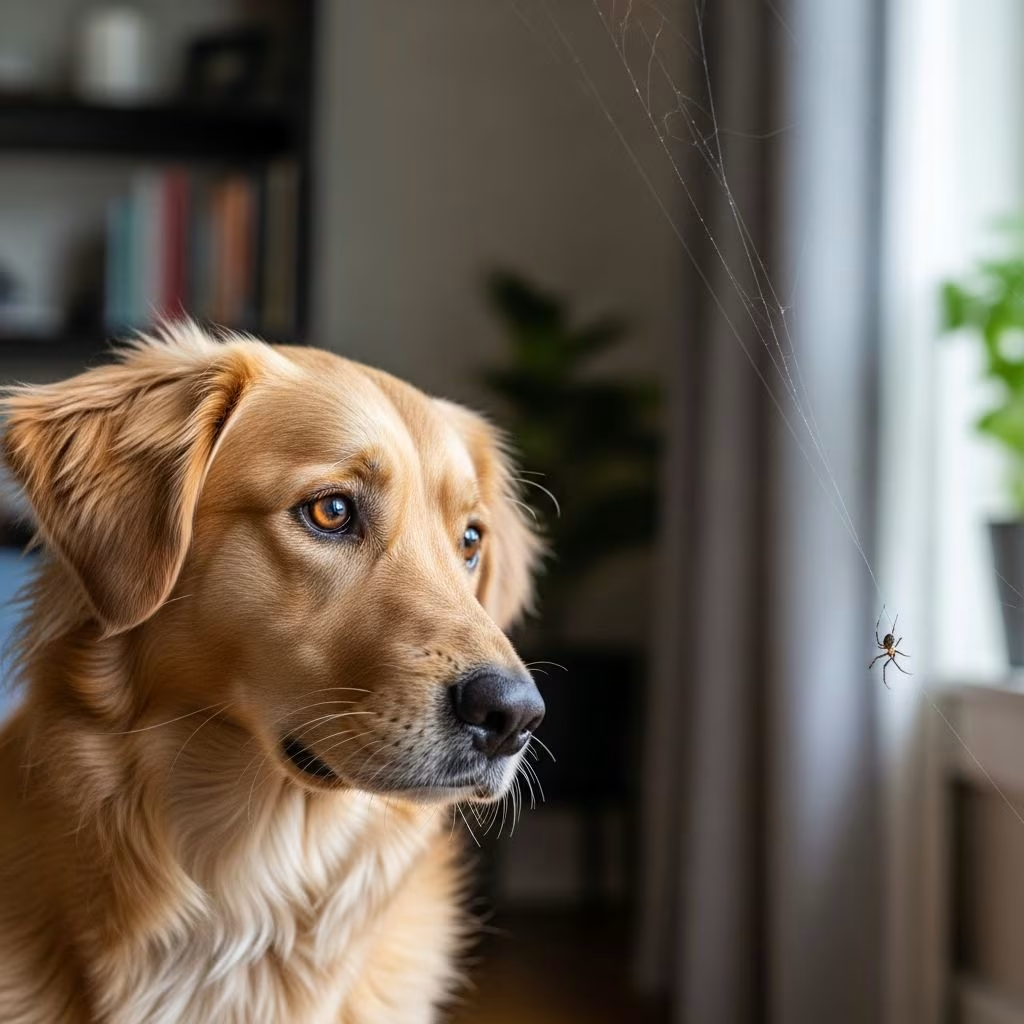
Dogs often snap up spiders out of curiosity or playfulness, but while many encounters end without issue, certain spiders carry venoms that demand prompt attention. Understanding the potential dangers helps owners respond effectively to protect their pets’ health.
Why Dogs Eat Spiders and Common Outcomes
Curious canines explore their world with their mouths, making spiders easy targets during hunts in gardens, homes, or basements. The good news is that the vast majority of spiders in North America lack potent venom for dogs, leading to mild digestive upset at worst, such as brief vomiting or diarrhea that resolves quickly. Larger dogs typically handle small spiders without noticeable effects, as the arachnid is digested like any insect snack.
However, risks escalate with venomous species. Dogs might ingest spiders alive, prompting a defensive bite inside the mouth or throat, or swallow venomous ones whole, allowing toxins to absorb through the gut. Factors like spider size, venom quantity, and the dog’s breed size influence severity—smaller breeds face higher risks from potent bites.
Identifying Venomous Spiders Your Dog Might Encounter
Not all spiders threaten dogs equally. Familiarize yourself with common culprits to gauge urgency.
- Black Widow: Recognizable by its shiny black body and red hourglass marking on the abdomen, this spider’s neurotoxic venom targets nerves, causing intense muscle effects.
- Brown Recluse: Features a violin-shaped mark on its cephalothorax; its venom destroys tissue, leading to slow-healing wounds.
- Non-Venomous Varieties: House spiders, wolf spiders, or orb weavers usually cause only local irritation if bitten during ingestion.
These venomous types hide in woodpiles, garages, closets, or undisturbed corners, where dogs love to sniff around. If you spot one near your pet’s play area, removal is key to prevention.
Signs Your Dog Has Been Affected by a Spider
Monitor closely after spotting your dog eyeing a spider. Symptoms vary by spider type and can appear within minutes to hours.
| Spider Type | Local Symptoms | Systemic Symptoms |
|---|---|---|
| Non-Venomous | Mild swelling, redness, itching at mouth/paws | Rare; possible mild nausea |
| Black Widow | Initial pain, drooling | Muscle cramps, vomiting, tremors, rapid breathing, abdominal rigidity |
| Brown Recluse | Limping, blistering, bruising | Fever, lethargy, bleeding, seizures in extremes |
General red flags include excessive pawing at the mouth, reluctance to eat, pale gums, weakness, or hives. Severe cases might show collapse or breathing distress—emergencies requiring immediate vet intervention.
Immediate Steps if Your Dog Eats a Spider
Stay calm but act fast. First, confirm if the spider was captured; if possible, safely contain it for identification without risking your own bite.
- Examine the Mouth: Gently check for bites, swelling, or embedded legs using a flashlight. Rinse with cool water if accessible.
- Apply Cold Therapy: Use a cool, damp cloth on the face or affected limb for 10-15 minutes to curb swelling—avoid direct ice to prevent tissue damage.
- Prevent Self-Trauma: Distract from licking or chewing with toys; an e-collar may help temporarily.
- Call Your Vet: Describe symptoms and your location’s common spiders for tailored advice.
For mild cases, observation at home suffices, but any progression warrants a professional check. Do not induce vomiting unless instructed, as it risks aspiration.
Veterinary Diagnosis and Treatment Options
Vets diagnose via history, physical exam, and sometimes bloodwork or imaging to rule out deeper issues. Treatments target symptoms and spider type.
- Supportive Care: IV fluids hydrate and flush toxins; anti-inflammatories ease pain.
- Black Widow Specifics: Antivenom (if available) reverses neuro effects rapidly, often within 30 minutes, alongside muscle relaxants.
- Brown Recluse Management: Wound cleaning, antibiotics prevent infection; steroids reduce inflammation. Severe necrosis may need surgery.
- Monitoring: Hospitalization for systemic signs like seizures or collapse.
Recovery timelines vary: minor irritations heal in days, while recluse wounds take 1-8 weeks, rarely scarring permanently. Prognosis is excellent with early care—fatalities are exceedingly rare.
Home Remedies and Supportive Measures
While professional care is paramount, these can complement vet advice for non-severe cases:
- Clean gently with mild soap and water.
- Baking soda paste soothes itching (mix with water, apply briefly).
- Benadryl (diphenhydramine) at 1mg/lb dose may reduce swelling—confirm dosage with vet first.
- Keep the area dry and monitor for infection signs like pus or heat.
Avoid unproven remedies like essential oils, which can irritate further. Nutrition supports healing: offer bland diets like boiled chicken and rice if nauseous.
Preventing Spider Encounters with Your Dog
Proactive steps minimize risks in spider-prone seasons (spring-fall).
- Home Proofing: Seal cracks, use glue traps in garages/basements, reduce clutter.
- Yard Maintenance: Clear debris, woodpiles; install screens on windows.
- Supervised Play: Watch during outdoor romps; train ‘leave it’ commands.
- Regular Checks: Inspect bedding, toys for hitchhikers.
In high-risk areas, consult local pest control for safe, pet-friendly options.
When to Worry: Red Flag Scenarios
Not every chomp spells trouble, but rush to emergency if:
- Symptoms worsen within hours (e.g., spreading swelling).
- Your dog is a puppy, senior, or small breed.
- Systemic signs like tremors or breathing issues appear.
- The spider matched a venomous description.
Err on caution—better a false alarm than delayed care.
Frequently Asked Questions
Can dogs die from eating spiders?
Deaths are extremely rare; most recover fully with treatment. Black widow poses higher systemic risk, but prompt vet care ensures safety.
How long do spider bite symptoms last in dogs?
Mild cases resolve in 24-48 hours; severe ones up to weeks, especially recluse-induced wounds.
Is antivenom always needed?
No—only for confirmed black widow envenomation. Supportive therapy suffices for most.
What if my dog ate a spider but seems fine?
Observe 24 hours for delayed symptoms; contact vet if any concern arises.
Long-Term Health Considerations
Post-incident, watch for allergies or scarring. Annual wellness exams catch vulnerabilities. Educating family on risks fosters a safer home. With vigilance, spider mishaps become minor footnotes in your dog’s adventurous life.
References
- Brown Recluse Spider Bite Poisoning (Loxoscelism) in Dogs — Vetster. 2023. https://vetster.com/en/conditions/dog/brown-recluse-spider-bite-poisoning-loxoscelism
- What Are the Symptoms of a Spider Bite on a Dog? — Knightdale Vets. 2022-05-31. https://www.knightdalevet.com/site/blog/2022/05/31/spider-bite-dog
- How To Recognize Spider Bites On Dogs — Kleinpeter Vet. 2023-03-30. https://www.kleinpeter-vet.com/site/blog/2023/03/30/spider-bites-on-dogs
- What To Do If Your Dog Is Bitten By a Spider — Ferguson Animal Hospital. 2022-05-10. https://www.fergusonanimalhospital.com/site/blog/2022/05/10/dog-spider-bite
- Spider Bites on Dogs — Southwest Florida Veterinary Specialists. 2024-07-15. https://www.swfvs.com/site/blog/2024/07/15/spider-bites-on-dogs
- Spider Bites — VCA Animal Hospitals. Accessed 2026. https://vcahospitals.com/know-your-pet/spider-bites
- Spider Bites on Dogs — MetLife Pet Insurance. Accessed 2026. https://www.metlifepetinsurance.com/blog/pet-health/spider-bite-on-dog/



