

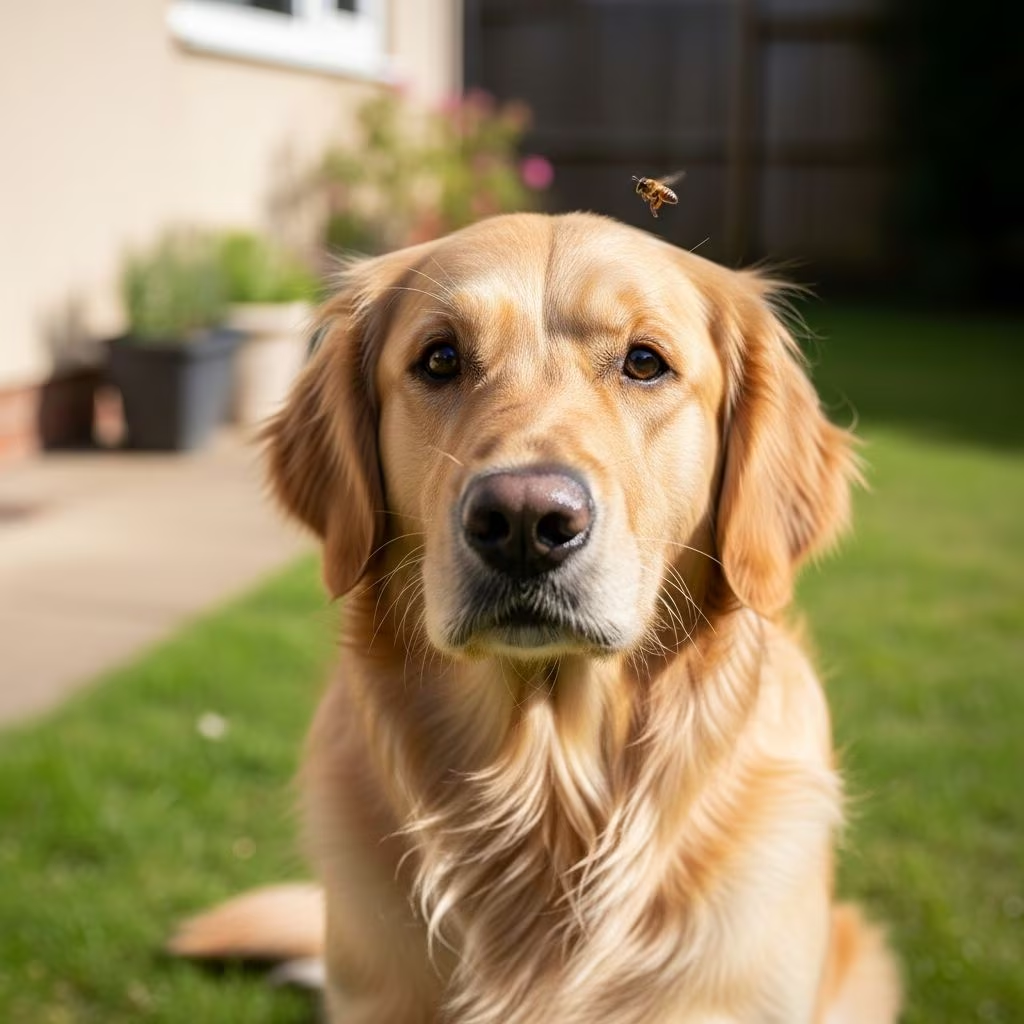
Many dogs chase buzzing insects out of curiosity, leading to accidental ingestion of bees. While most cases result in minor issues, a bee sting inside the mouth or throat can cause pain, swelling, or severe allergic responses. Understanding immediate responses and monitoring techniques ensures your pet’s quick recovery.
Why Dogs Chase and Eat Bees
Dogs view bees as intriguing toys due to their flight patterns and sounds. Playful breeds like retrievers or terriers are particularly prone during outdoor activities in spring and summer when bees are active. Swallowing a bee often happens mid-chase, and the insect may sting defensively in the process, injecting venom that triggers localized inflammation.
Immediate Physical Reactions to Expect
Upon ingestion, dogs typically show discomfort within seconds. Common initial signs include:
- Intense pawing at the muzzle or face, signaling oral irritation.
- Excessive drooling from pain or swelling.
- Whining, yelping, or rubbing the head against surfaces.
These reactions stem from the bee’s barbed stinger lodging in soft tissues, releasing venom that causes rapid swelling. Visible redness or puffiness around the lips may appear shortly after.
Distinguishing Mild from Severe Responses
Not all incidents escalate, but severity varies by sting location, number of stings, and individual sensitivity. Mild cases involve localized swelling that subsides in hours, while severe ones demand prompt intervention.
| Symptom Type | Mild Indicators | Severe Indicators |
|---|---|---|
| Swelling | Small area around mouth | Face, eyes, throat expansion |
| Breathing | Normal | Wheezing, gasping, or labored |
| Behavior | Restless but alert | Weakness, collapse, vomiting |
Severe symptoms often emerge 10-30 minutes post-ingestion but can delay up to 12-14 hours in rare anaphylactic cases.
Locating and Safely Removing the Stinger
If visible, extract the stinger promptly to halt venom release. Use a credit card edge to scrape it out gently, avoiding squeezing with fingers or tweezers, which can worsen venom spread. For mouth stings, this may require careful inspection under good lighting. Not all bees leave stingers after oral stings, but checking prevents prolonged irritation.
Effective Home Remedies for Relief
Supportive care at home can alleviate mild symptoms while awaiting professional advice:
- Cold Compress: Wrap ice in a cloth and apply for 10 minutes on, 10 off to constrict blood vessels and reduce swelling. Test on your skin first to avoid burns.
- Baking Soda Paste: Mix three parts baking soda with one part water; apply to external sites. It neutralizes venom’s acidity. Prevent licking by bandaging if possible.
- Cool Water: Encourage sipping to soothe internal tissues and flush residues.
- Oatmeal Soak: For multiple stings, grind oatmeal into powder, add to lukewarm bath water for 10 minutes to calm itching skin.
Avoid over-the-counter human medications like ibuprofen, as they are toxic to dogs. Vinegar may counter wasp alkaline venom but is less effective for bees.
Preventing Further Irritation
Dogs instinctively lick or scratch stung areas, exacerbating swelling. Distract with toys, restrain gently, or use an Elizabethan collar. Check fur thoroughly, as bees can hide and sting again. Provide a calm, quiet recovery space to minimize stress, which can intensify reactions.
Understanding Allergic Reactions in Dogs
Approximately 1-2% of dogs experience anaphylaxis from bee venom, a life-threatening immune overresponse. Venom proteins trigger massive histamine release, causing widespread inflammation. Breeds with atopic tendencies may be at higher risk, though any dog can react unexpectedly. Symptoms progress from hives and lethargy to shock if untreated.
Critical Signs Requiring Emergency Vet Care
Rush to a veterinarian if observing:
- Progressive facial or throat swelling obstructing airways.
- Any respiratory distress, including rapid panting or blue gums.
- Gastrointestinal upset like persistent vomiting or diarrhea.
- Systemic signs: hives, collapse, seizures, or pale gums.
Multiple stings amplify risks, potentially causing organ stress. Err on caution; mild symptoms can evolve rapidly.
Professional Treatment Options
Veterinarians assess via physical exam and may administer:
- Antihistamines (e.g., diphenhydramine) for mild swelling.
- Steroids or epinephrine for anaphylaxis.
- Pain relief, IV fluids, and oxygen for support.
- Hospitalization monitoring for severe cases.
Never medicate without guidance, as dosages vary by weight and health. Post-treatment, vets often recommend allergy testing for recurrent risks.
Long-Term Monitoring and Recovery Timeline
Observe for 24-48 hours post-incident. Mild reactions resolve in 1-2 days; track appetite, energy, and swelling. Schedule follow-ups if symptoms linger. Prevent repeats by supervising outdoor time during peak bee seasons and training recall commands.
Seasonal Prevention Strategies
Bees thrive in warm weather near flowers and water. Limit play in blooming fields, avoid sweet spills attracting insects, and inspect yards for nests. Long-haired breeds benefit from regular grooming to dislodge hidden bees. E-collars or bitter sprays deter self-trauma during healing.
FAQs
Can all dogs safely eat bees?
No, while many tolerate single ingestions, stings pose allergy risks. Monitor closely regardless.
How long do bee sting effects last in dogs?
Mild cases: 24 hours. Severe: days with treatment.
Is Benadryl safe for dogs after a bee sting?
Only under vet dosage; typically 1mg/lb every 8 hours.
What if my dog ate a wasp instead?
Similar protocol, but wasps lack barbs and inject alkaline venom—use vinegar paste.
Should I induce vomiting after bee ingestion?
No, risks aspiration; contact vet first.
References
- What to do if Your Dog Ate a Bee — Loveland Regional Animal Hospital. 2023. https://lovelandregional.com/blog/what-to-do-if-your-dog-ate-a-bee/
- A Bee Stung My Dog’s Mouth, What Do I Do? — VO Vets. 2024. https://vovets.com/blog/dog-bee-sting/
- What to Do If Your Dog Has Been Stung by a Bee — Taste of the Wild Pet Food. 2023. https://www.tasteofthewildpetfood.com/articles/health/what-to-do-if-your-dog-has-been-stung-by-bee/
- What to Do If Your Dog Ate a Bee — VEG ER for Pets. 2024. https://www.veg.com/post/what-to-do-if-your-dog-eats-a-bee
- Treatment & Symptoms for Bee and Wasp Stings in Dogs — Vets4Pets. 2025. https://www.vets4pets.com/pet-health-advice/dog-advice/bee-and-wasp-stings-in-dogs/
- Dog Stung by a Bee? Here’s What to Do Next — Zoetis Petcare. 2024. https://www.zoetispetcare.com/blog/article/dog-stung-by-bee
- My Dog Ate a Bee, Now What? — MetLife Pet Insurance. 2023. https://www.metlifepetinsurance.com/blog/pet-health/what-happens-if-my-dog-ate-a-bee/



