Dog-Assisted Therapy: 4 Proven Benefits & Applications
Explore how therapy dogs reduce stress, boost mood, and enhance mental health across diverse populations and settings.
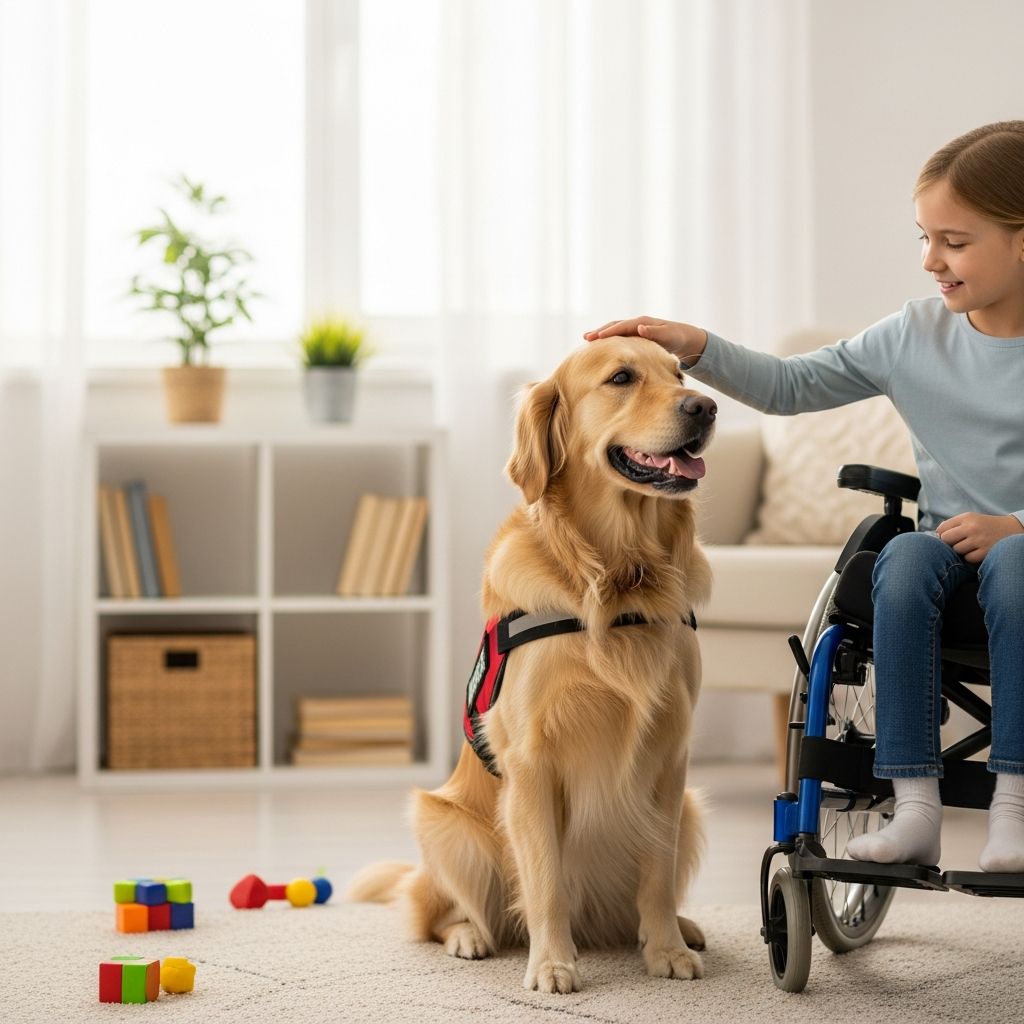
Dog-Assisted Therapy
Dog-assisted therapy (DAT), a form of animal-assisted therapy (AAT), involves trained therapy dogs and handlers working alongside healthcare professionals to support individuals facing physical, emotional, or cognitive challenges. These structured interventions help reduce stress, improve mood, and foster social connections, making dogs powerful allies in therapeutic settings.
What Is Dog-Assisted Therapy?
Dog-assisted therapy consists of goal-oriented sessions where certified therapy dogs interact with people under the guidance of trained professionals. Unlike casual pet visits, DAT is structured to achieve specific therapeutic outcomes, such as lowering anxiety or enhancing socialization.
Therapy dogs undergo rigorous screening for temperament, health, and behavior. Handlers, often volunteers, receive training to ensure safe, effective sessions. Activities include petting, walking, playing, grooming, and hugging the dog, each tailored to the participant’s needs.
- Key components: One-on-one or group sessions, professional oversight, measurable goals.
- Distinction from pet therapy: DAT is directive and evidence-based, not informal companionship.
How Does Dog-Assisted Therapy Work?
The mechanism behind DAT’s effectiveness lies in the human-animal bond. Interacting with dogs triggers oxytocin release, reducing cortisol (stress hormone) levels, slowing heart rate, and lowering blood pressure. This physiological calming effect creates a nonjudgmental space for emotional expression.
In sessions, participants engage in activities like meeting the dog, playing fetch, feeding treats, massaging, or walking. Studies show these interactions increase brain activity in reward centers and significantly lower self-reported fatigue, stress, and depression compared to rest periods.
For children with mental health issues, dogs act as facilitators, lowering defenses and easing exposure therapies for anxiety. Therapists report calmer atmospheres, improved patient trust, and better adherence to treatment.
Benefits of Dog-Assisted Therapy
Research demonstrates DAT’s wide-ranging benefits across populations. A study with healthy subjects found lower stress (p < 0.01), fatigue (p < 0.001), and depression during dog interactions. In clinical settings, it buffers stress responses via reduced blood pressure, heart rate, and cortisol.
| Benefit | Evidence | Population |
|---|---|---|
| Stress Reduction | 15-min sessions lower perceived stress and blood pressure | Students, ED patients |
| Mood Improvement | Positive mood nearly doubles post-interaction | Healthcare workers |
| Anxiety Relief | Significant drops in state anxiety scores | Mental health patients |
| Social Skills | Enhanced empathy, communication in children | Pediatric, adolescents |
DAT also improves cardiovascular health, reduces medication needs, and slows breathing in anxious individuals. Long-term, it boosts self-esteem, problem-solving, and treatment adherence.
Dog-Assisted Therapy for Mental Health
DAT excels in mental health, alleviating depression, anxiety, PTSD, and agitation. In long-term care, six weeks of visits reduced depression scores on the Beck Depression Inventory. For university students at risk of academic failure, therapy dog sessions cut anxiety, built confidence, and improved problem-solving over six weeks.
Pediatric day hospitals report fewer emotional outbursts and better self-regulation with DAT. Therapists noted patients were calmer, more trusting, and socially interactive, especially autistic children who gained communication tools via dog interactions. Parents saw higher attendance on DAT days.
Healthcare workers benefit too: A pilot study in ICUs found immediate drops in stress, burnout, and emotional exhaustion after dog visits, with mood doubling.
Who Can Benefit from Dog-Assisted Therapy?
- Hospital Patients: Emergency department visitors experience rapid anxiety reduction.
- Children & Adolescents: Builds empathy, reduces PTSD symptoms, aids developmental disorders.
- Mental Health Clients: Lowers cortisol, promotes coping in nonjudgmental settings.
- Students: Buffers exam stress, enhances academic resilience.
- Seniors: Combats loneliness, depression in care facilities.
- Healthcare Staff: Prevents burnout in high-pressure units.
Training Therapy Dogs for Assisted Therapy
Therapy dogs must pass evaluations for friendliness, stability, and obedience. Organizations like Pet Partners or Therapy Dogs International certify them after tests simulating real sessions.
Handlers train in animal behavior, hygiene, and session protocols. Breeds like Golden Retrievers, Labradors, and Poodles excel due to gentle temperaments, but any dog can qualify with proper prep.
- Temperament assessment.
- Basic obedience and health checks.
- Handler-dog team evaluation.
- Ongoing training and recertification.
Getting Started with Dog-Assisted Therapy
Facilities partner with certified programs. Individuals can volunteer by getting their dog evaluated. Start with local therapy dog groups, complete training (often 20-30 hours), and register.
For patients, request DAT through hospitals or clinics. Programs like Buckeye Paws integrate seamlessly into units. Ensure dogs are vaccinated and groomed for safety.
Dog-Assisted Therapy in Practice: Real-World Examples
In a pediatric mental health day hospital, DAT sessions thrice daily (60 mins each) included play, grooming, and walks. Therapists observed calmer patients, easier group work, and improved autism-related social skills.
University programs drop-in dog rooms yield quick stress relief. Hospitals deploy teams for targeted mood boosts.
Frequently Asked Questions (FAQs)
Is dog-assisted therapy safe?
Yes, with screened dogs and trained handlers. Risks are minimal; benefits outweigh for most.
How long are typical DAT sessions?
15-60 minutes, depending on goals and setting.
Can any dog become a therapy dog?
No, they must pass temperament and health tests.
Does DAT work for children with autism?
Yes, it enhances social interaction and communication.
What breeds are best for therapy?
Gentle, friendly breeds like Labs, Goldens; size varies by need.
References
- Dog-Assisted Therapy Reduces Stress and Improves Mood in Healthy Subjects — Natural Health Research. 2023. https://naturalhealthresearch.org/dog-assisted-therapy-reduces-stress-and-improves-mood-in-healthy-subjects/
- Mental Health Conditions — HABRI. 2024. https://habri.org/research/mental-health/conditions/
- The Benefits of Dog-Assisted Therapy as Complementary Treatment — PMC (NCBI). 2022-10-20. https://pmc.ncbi.nlm.nih.gov/articles/PMC9597812/
- Study shows therapy dog program works as needed mood-booster — Wexner Medical Center (OSU). 2023. https://wexnermedical.osu.edu/mediaroom/pressreleaselisting/study-shows-therapy-dog-program-works-as-needed-mood-booster-for-health-care-workers
- The Benefits of Animal-Assisted Therapy — Husson University. 2022-07. https://www.husson.edu/online/blog/2022/07/benefits-of-animal-assisted-therapy
- Animal-Assisted Therapy Research — UCLA Health. 2024. https://www.uclahealth.org/programs/pac/about-us/animal-assisted-therapy-research
- The Role of Animal Assisted Therapy in the Rehabilitation of Mental — Integrmed. 2023. https://www.integrmed.org/journal/view.php?number=55
Similar Articles








Read full bio of Sneha Tete