
Dog Appetite Loss: Detect and Respond
Learn to spot early signs of your dog's refusal to eat, uncover common triggers, and know when to seek urgent veterinary care for timely intervention.
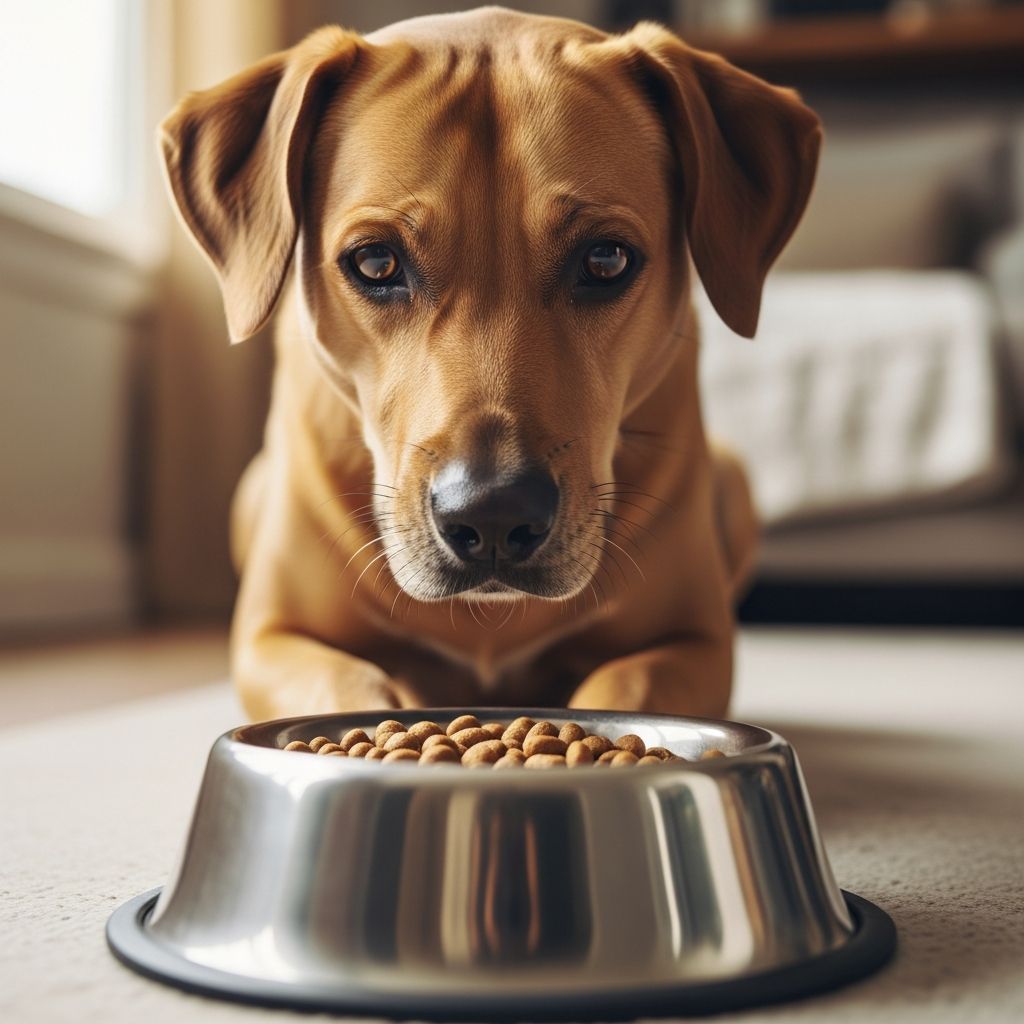
A sudden drop in your dog’s interest in food can signal anything from a temporary upset to a critical health issue. Understanding the nuances helps pet owners act swiftly to prevent complications like weight loss or dehydration.
Understanding Appetite Changes in Canines
Dogs rely on a strong appetite as a key health indicator. When they skip meals, it disrupts their energy levels and nutrient intake. True anorexia means no desire to eat, while pseudo-anorexia involves physical barriers despite hunger. Distinguishing these guides effective responses.
Normal eating patterns vary by age, breed, and activity. Puppies and active breeds may eat multiple small meals, while seniors prefer softer foods. Track daily intake to spot deviations early.
Common Indicators Your Dog Isn’t Eating
Watch for these behavioral and physical cues:
- Leaving food untouched after 24 hours
- Sniffing food then walking away
- Refusing treats or favorite snacks
- Gradual reduction in portion sizes consumed
- Associated lethargy or hiding
These signs often pair with secondary symptoms like vomiting or diarrhea, amplifying urgency.
Primary Causes Behind Reduced Eating
Appetite loss stems from behavioral, physical, or environmental factors. Categorizing them aids diagnosis.
Behavioral and Environmental Triggers
Stress from moves, new pets, or routine shifts mimics human responses, leading to temporary disinterest. Boredom with food or recent diet changes can also play a role. Dogs under emotional strain show withdrawal alongside meal refusal.
Dental and Oral Discomfort
Painful teeth, gum inflammation, or broken molars make chewing agony. Look for drooling, pawing at the mouth, or facial swelling. These issues affect up to 80% of dogs over age three, per veterinary estimates.
Gastrointestinal Disturbances
Upset stomachs from scavenged items, infections, or blockages cause nausea. Conditions like gastritis or foreign objects halt eating. Accompanying diarrhea or bloating demands quick attention.
Systemic Illnesses and Chronic Conditions
Kidney failure, liver disease, diabetes, or cancer suppress hunger through toxin buildup or metabolic shifts. Infections (viral, bacterial, parasitic) and endocrine disorders like hypothyroidism follow suit. Older dogs face higher risks.
Medication Side Effects and Toxins
New prescriptions, vaccines, or accidental poisons alter taste or induce nausea. Pain from arthritis or injuries further deters bowl visits.
When to Worry: Red Flag Symptoms
Not all skips warrant panic, but persistence beyond 48 hours or combos below signal emergencies:
| Symptom | Potential Issue | Action Needed |
|---|---|---|
| Lethargy + no eating | Organ failure, infection | Vet visit same day |
| Vomiting/diarrhea | GI blockage, parvovirus | Immediate ER |
| Weight loss >10% | Cancer, diabetes | Full exam |
| Yellow gums/eyes | Liver issues | Urgent bloodwork |
| Breathing difficulty | Heart disease | Emergency care |
Puppies, seniors, and small breeds dehydrate fastest, escalating risks.
Home Strategies to Stimulate Appetite
Before vet trips, try these safe tactics:
- Warm food slightly to enhance aroma
- Add low-sodium broth or water for moisture
- Hand-feed small portions
- Switch to bland diets like boiled chicken/rice temporarily
- Ensure quiet, elevated feeding spots
Avoid forcing food or human scraps, as they upset digestion further.
Veterinary Evaluation Process
Exams start with history review, then physical checks for pain or abnormalities. Diagnostics include:
- Blood panels for organ function
- Fecal tests for parasites
- X-rays/ultrasounds for blockages
- Dental inspections under sedation
Treatment targets roots: antibiotics for infections, fluids for dehydration, dental cleanings, or diets for kidney issues.
Preventive Measures for Healthy Eating Habits
Maintain dental hygiene with brushes/toys, schedule annual checkups, and introduce diet changes gradually. Stress-proof environments with routines and enrichment keep appetites steady.
Long-Term Management for Chronic Cases
Dogs with ongoing issues benefit from prescription diets, appetite stimulants like mirtazapine, or behavioral therapy. Monitor weights weekly and adjust as needed.
Frequently Asked Questions
How long can a dog go without eating?
Healthy adults manage 3-5 days with water, but risks rise after 24-48 hours. Consult vets sooner for vulnerable pets.
Is it okay to skip one meal?
Occasional skips from pickiness are fine, but track for patterns or added symptoms.
What foods tempt picky eaters safely?
Try pumpkin puree, yogurt, or fish oils, but confirm with vets to avoid allergies.
Does age affect appetite recovery?
Seniors rebound slower due to metabolism changes; tailored senior formulas help.
Can stress alone cause prolonged refusal?
Yes, but rule out medical causes first, as it often overlaps.
References
- Loss of Appetite in Dogs – Signs, Causes, Diagnosis, Treatment — WagWalking. 2023. https://wagwalking.com/condition/loss-of-appetite
- 7 Reasons Why Your Dog Is Not Eating (and How to Help) — GoodRx. 2024-01-15. https://www.goodrx.com/pet-health/dog/not-eating
- My dog isn’t eating properly — PDSA. 2023-05-10. https://www.pdsa.org.uk/pet-help-and-advice/pet-health-hub/symptoms/my-dog-isnt-eating-properly
- Anorexia in Dogs — VCA Animal Hospitals. 2024. https://vcahospitals.com/know-your-pet/anorexia-in-dogs
- Why Is My Dog Not Eating? Causes and What To Do — PetMD. 2024-02-20. https://www.petmd.com/dog/symptoms/why-my-dog-not-eating
- What To Do If Your Dog Is Lethargic And Not Eating — Express Vet Kennesaw. 2023-11-01. https://www.expressvetskennesaw.com/blog/what-to-do-if-your-dog-is-lethargic-and-not-eating
Similar Articles








Read full bio of medha deb




