

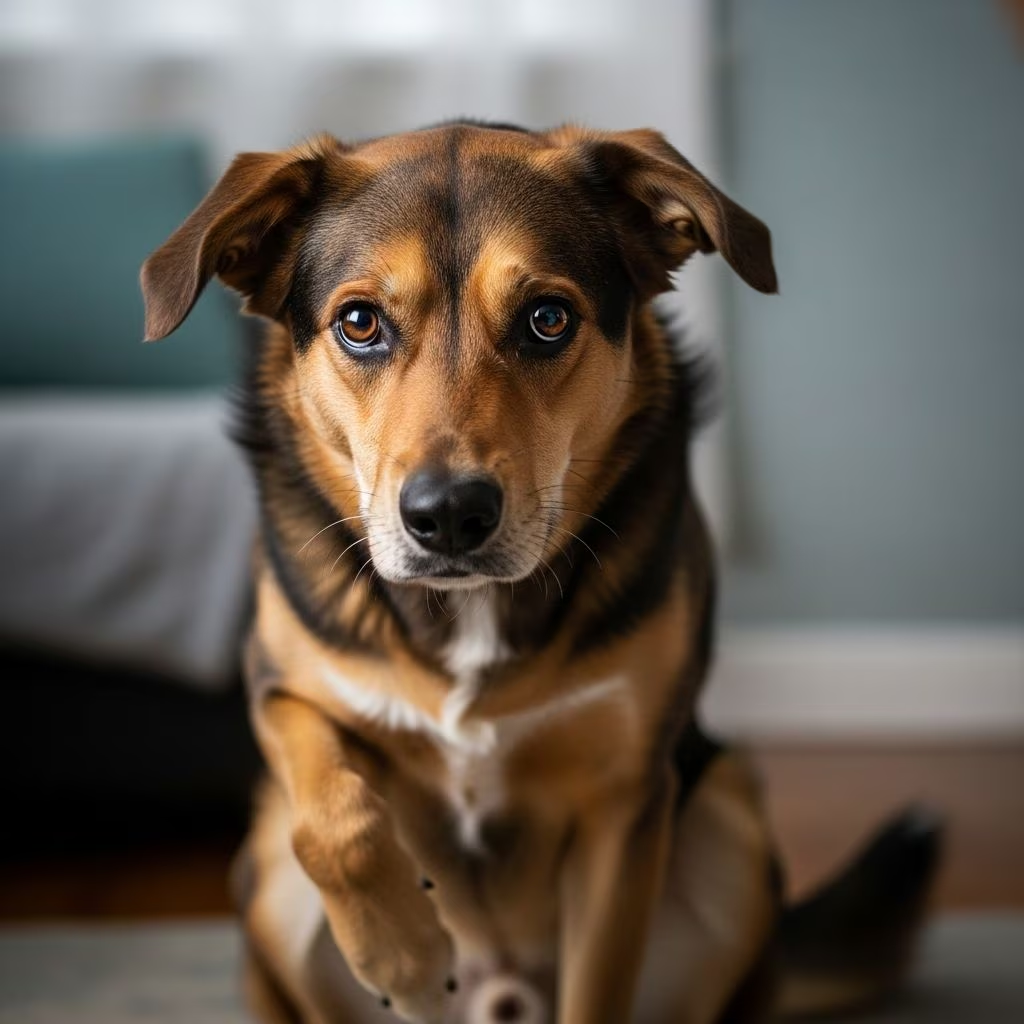
Dog Anxiety 101: Signs, Causes, and Treatment
Dog anxiety is a significant concern for pet owners, affecting dogs of all ages, sizes, and breeds. Understanding what anxiety looks like in dogs, recognizing the underlying causes, and knowing how to address it can dramatically improve your dog’s quality of life and your relationship with your furry companion. Whether your dog experiences occasional nervousness or chronic anxiety, this comprehensive guide will help you navigate the complexities of canine anxiety and discover effective treatment strategies.
Understanding Dog Anxiety
Dog anxiety occurs when your dog’s negative experiences transform into fear or anticipation of new people, animals, experiences, places, and separation from family members. It represents a heightened state of nervous anticipation in response to perceived threats, whether real or imagined. Unlike temporary stress responses, anxiety in dogs becomes a persistent pattern that can interfere with their daily functioning and overall wellbeing. Recognizing anxiety as a legitimate behavioral and emotional issue is the first step toward helping your anxious dog feel more secure and confident.
Recognizing the Signs of Dog Anxiety
Dog anxiety manifests through various behavioral and physical indicators. Learning to identify these signs early allows you to intervene before anxiety escalates into more serious behavioral problems. The most common signs include:
- Increased vocalization such as excessive barking or whining
- Excessive grooming or self-licking
- Drooling and panting
- Destructive behaviors like chewing furniture or shoes
- Potty accidents in the home despite being housetrained
- Pacing and restlessness
- Trembling or shaking
- Tail-tucking and hiding
- Aggression or defensive behavior
- Repetitive or compulsive behaviors
- Depression and withdrawal from activities
- Ears pulled down or back
- Licking lips nervously
These signs can appear individually or in combination, depending on the severity and type of anxiety your dog is experiencing. If you notice your dog displaying multiple anxiety indicators, it’s important to schedule a veterinary consultation promptly.
Common Causes of Dog Anxiety
Dog anxiety can have multiple roots, and understanding what triggers your dog’s anxiety is essential for effective treatment. The Merck Veterinary Manual identifies several common causes that vary from dog to dog.
Fear-Related Anxiety
Fear is one of the primary causes of dog anxiety and can stem from various stimuli. Common fear triggers include loud noises such as thunderstorms and fireworks, strange people or unfamiliar animals, visual stimuli like hats or umbrellas, new or unusual environments, specific situations such as veterinary visits or car rides, and unfamiliar surfaces like grass or wood floors. While some dogs may have only brief reactions to these stimuli, anxious dogs often experience prolonged distress that affects their behavior and health.
Separation Anxiety
Separation anxiety occurs when dogs experience extreme distress when separated from their owners or family members. This type of anxiety can lead to destructive behavior, excessive vocalization, and inappropriate elimination. Dogs with separation anxiety may panic when their owners prepare to leave or display severe distress during actual separation.
Medical Causes
It’s crucial to recognize that medical conditions can cause or exacerbate anxiety-like behavior. Pain, inflammation, hormonal imbalances, neurological disorders, chronic illness, and underlying diseases may all contribute to anxious behavior. In some cases, depression and anxiety may be symptoms of an underlying medical condition rather than purely behavioral issues. This is why veterinary evaluation is the essential first step in addressing dog anxiety.
Age-Related Anxiety
Aging is recognized as a common cause of anxiety in dogs. Senior dogs may experience cognitive dysfunction syndrome, which can manifest as anxiety alongside other behavioral changes. Additionally, anxiety can develop at any life stage due to accumulated negative experiences or environmental changes.
Comprehensive Treatment Approaches
Treating dog anxiety effectively typically requires a multi-faceted approach that combines behavioral modification, environmental changes, and sometimes medication. The best treatment plan depends on the underlying cause, severity of anxiety, and your individual dog’s needs.
Veterinary Evaluation and Medical Treatment
The first and most important step in treating dog anxiety is scheduling a veterinary appointment. Your veterinarian will perform a thorough examination to rule out medical causes such as pain, inflammation, or disease. If an underlying medical condition is identified, appropriate treatment will be initiated. This medical foundation is essential because addressing only the behavioral component without treating underlying health issues will be ineffective.
Professional Behavioral Training
Working with a certified professional dog trainer or veterinary behaviorist is crucial for developing an effective behavior modification plan. The trainer will create a tailored strategy to help transform your dog’s emotional response to anxiety triggers. One particularly effective technique is counterconditioning, which changes your dog’s response to anxiety-inducing stimuli by replacing anxious behavior with more desirable responses like sitting or focusing on the owner.
For separation anxiety specifically, desensitization and counterconditioning often form the foundation of treatment. This involves small, gradual steps such as practicing putting on your coat, picking up your keys, or moving toward the door before working up to actual separation. Patience is essential with this approach, as rushing the process can reinforce anxiety rather than resolve it.
Behavioral Modification Techniques
Positive reinforcement training is fundamental to managing dog anxiety. Using reward-based methods to encourage desired behaviors creates positive associations and builds your dog’s confidence. Science-backed training that focuses on rewarding calm behavior and proper responses to triggers is far more effective than punishment-based approaches, which can intensify anxiety.
Environmental and Lifestyle Modifications
Creating a supportive environment is an important component of anxiety management. Consider the following environmental changes:
- Establish a safe, quiet space where your dog can retreat when feeling anxious
- Use background noise or calming music to mask triggering sounds
- Maintain a consistent daily routine to provide security and predictability
- Minimize exposure to known anxiety triggers when possible
- Create a calm atmosphere during stressful events like thunderstorms
Exercise and Mental Enrichment
Dogs of all ages, sizes, and breeds need daily exercise and play for their health, happiness, and mental enrichment. Physical activity helps burn excess energy and promotes calm behavior. Beyond physical exercise, engaging your dog’s brain through interactive play is equally important. Dedicate 15 minutes to fun, easy training sessions with your dog, and play enrichment games like “find the dog toy” to help your dog expend mental energy constructively. A well-exercised and mentally stimulated dog is naturally calmer and less prone to anxiety-driven behaviors.
Creating a Stress-Free Veterinary Experience
For dogs with anxiety about veterinary visits, working with your vet to transform these experiences is beneficial. Gradual visits where nothing medical occurs, positive associations with the clinic, and fear-free veterinary practices can significantly reduce vet-related anxiety.
Natural Calming Supplements and Products
For dogs displaying frequent anxious behaviors, natural calming supplements can provide support. Products such as milk protein-based supplements like Zylkene are available over-the-counter and can be used before or during stressful situations. Calming pheromones and aromatherapy products can also help reduce anxiety, and some work best in conjunction with other treatments while others can be used independently.
Another natural option gaining attention is CBD, though you should discuss this option with your veterinarian to determine if it’s suitable for your dog. Your vet can help you understand the current research and determine appropriate dosing if they recommend CBD for your dog.
Anti-Stress Diets
Certain veterinary diets are specifically formulated to promote calm behavior and manage stress-related digestive upset. These specialized diets may contain calming ingredients and nutrients designed to support emotional wellbeing. Discussing dietary options with your veterinarian can help you determine if nutritional modification would benefit your anxious dog.
Anti-Anxiety Medication
For moderate to severe anxiety, your veterinarian may recommend pharmaceutical intervention alongside behavioral modification. Anti-anxiety medications work best when combined with training and environmental modifications rather than used as standalone treatments.
Common medications prescribed for dog anxiety include SSRIs (selective serotonin reuptake inhibitors) and antidepressants such as fluoxetine and clomipramine. For predictable anxiety-triggering events like thunderstorms, fireworks, or car rides, your veterinarian might prescribe benzodiazepines in conjunction with an antidepressant. Senior dogs experiencing cognitive dysfunction syndrome may benefit from selegiline, which reduces symptoms of age-related anxiety.
It’s important to note that medication may only be necessary during the initial treatment phase while you implement behavioral modification strategies, or it may be beneficial long-term for chronic anxiety conditions. Your veterinarian will determine the most appropriate medication regimen for your specific dog.
Multi-Modal Treatment Strategy
Research and veterinary experience support a multi-modal approach to anxiety that combines behavioral modification, environmental changes, natural therapies, and medication when required. Rather than relying on a single intervention, combining approaches creates the most comprehensive and effective treatment plan. This layered approach addresses both the neurochemistry of anxiety and the behavioral patterns that reinforce it.
When to Seek Professional Help
Dogs exhibiting frequent anxious behavior should see their veterinarian as soon as possible. Pain, itching, illness, and discomfort can all lower a dog’s anxiety threshold, making professional evaluation essential. Extreme fears, anxiety affecting multiple contexts, and phobic responses all require professional guidance from a veterinarian or certified behaviorist. If you find that you’re suffering, your dog is suffering, or your relationship with your dog is suffering due to anxiety, it’s absolutely appropriate to seek professional intervention, including medication if recommended.
Creating a Supportive Home Environment
Beyond formal training and medication, the love and attention you provide makes a significant difference in managing your dog’s anxiety. Spending quality time with your dog, providing reassurance when appropriate, and maintaining a calm demeanor yourself contributes to your dog’s sense of security. Dogs are sensitive to their owners’ emotional states, so staying calm during potentially stressful situations helps your dog remain calmer as well.
Frequently Asked Questions
Q: What is dog anxiety?
A: Dog anxiety occurs when negative experiences transform into fear or nervous anticipation regarding new people, animals, experiences, places, and separation from family members. It represents a heightened state of fear or nervous anticipation in response to perceived threats.
Q: How do I know if my dog has anxiety?
A: Common signs include excessive barking or whining, destructive behavior, potty accidents, panting, drooling, trembling, tail-tucking, excessive grooming, pacing, and withdrawal from activities. If you notice multiple signs, consult your veterinarian.
Q: What causes dog anxiety?
A: Dog anxiety can result from fear-related triggers (loud noises, unfamiliar situations), separation from owners, aging, medical conditions causing pain or discomfort, or accumulated negative experiences. Veterinary evaluation helps identify the specific cause.
Q: Can anxiety be treated without medication?
A: Many cases of mild to moderate anxiety respond well to behavioral modification, environmental changes, exercise, natural supplements, and training. However, severe anxiety often requires medication in combination with other interventions.
Q: What should I do if my dog has separation anxiety?
A: Work with a certified trainer on desensitization and counterconditioning, starting with small steps like putting on your coat or picking up keys before progressing to actual separation. Your veterinarian may also recommend calming supplements or medication.
Q: Is it safe to give my dog calming supplements?
A: Speak with your veterinarian before giving your dog any supplement. Your vet will determine what’s appropriate based on your dog’s age, weight, health history, and the underlying cause of anxiety.
Q: How long does it take to resolve dog anxiety?
A: Treatment timelines vary depending on the cause, severity, and individual dog. Some dogs respond quickly to behavioral modification, while others require several months of consistent training and potentially long-term medication management.
References
- Dog Anxiety: Signs, Causes, and Treatment — PetMD. 2024. https://www.petmd.com/dog/conditions/behavioral/dog-anxiety
- Anxiety in Dogs: Signs, Symptoms, and Treatment — American Kennel Club. 2024. https://www.akc.org/expert-advice/health/treating-dog-anxiety/
- Managing Anxiety in Dogs — Small Door Veterinary. 2024. https://www.smalldoorvet.com/learning-center/wellness/managing-anxiety-in-dogs
- Understanding Pet Anxiety: Signs and Vet Treatments — Bliss Animal Hospital. 2024. https://blissanimalhospital.com/blog/understanding-pet-anxiety-symptoms-causes-treatment-orange-county-ca/
- Dog Anxiety 101: Signs, Causes and Treatment — Chewy. 2024. https://www.chewy.com/education/dog/health-and-wellness/dog-anxiety
- Fears, Phobias, and Anxiety in Cats and Dogs — VCA Animal Hospitals. 2024. https://vcahospitals.com/know-your-pet/fears-phobias-and-anxiety
- Anxious behavior: How to help your dog cope with unsettling situations — Cornell University College of Veterinary Medicine. 2024. https://www.vet.cornell.edu/departments-centers-and-institutes/riney-canine-health-center/canine-health-topics/anxious-behavior-how-help-your-dog-cope-unsettling-situations



