

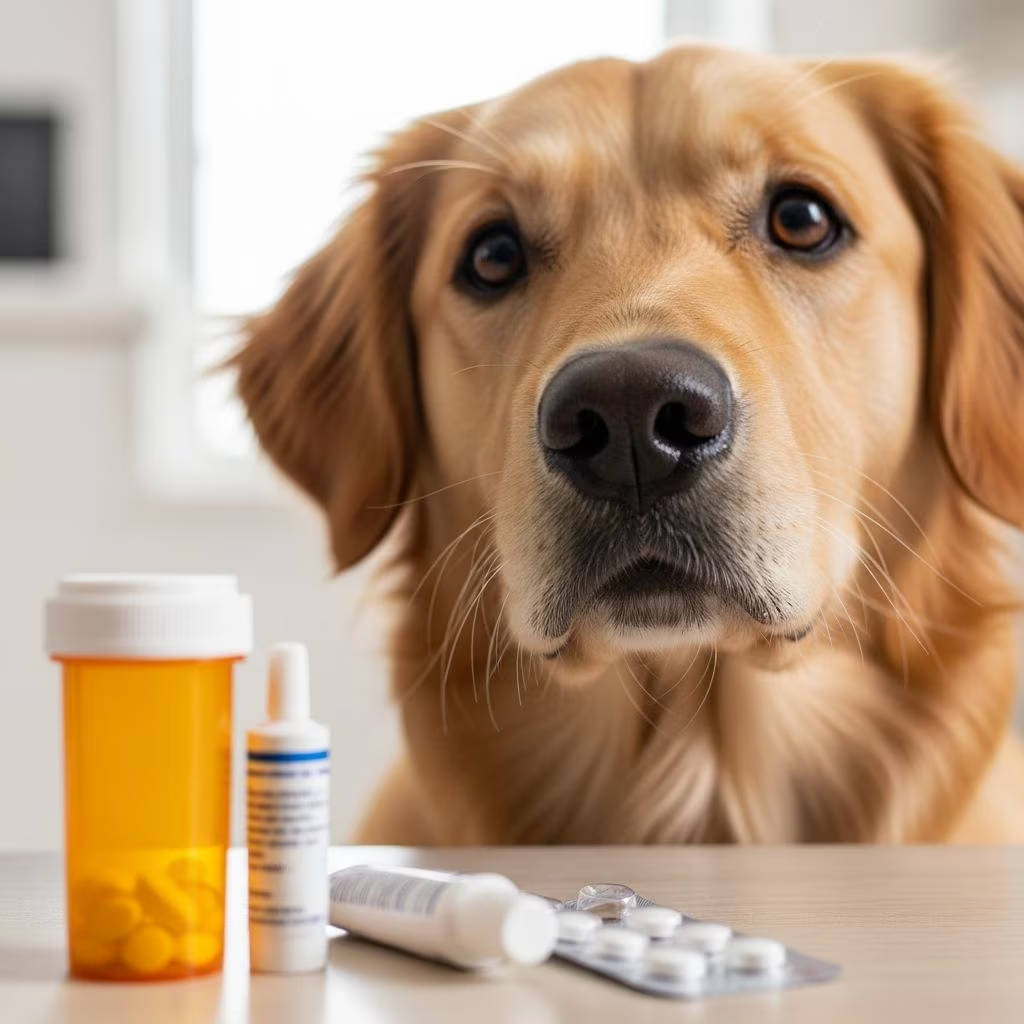
Bacterial infections in dogs require prompt and appropriate treatment to prevent complications, but over-the-counter (OTC) antibiotics are not widely available or recommended without professional guidance. Veterinary-prescribed medications ensure proper dosing and minimize risks like antibiotic resistance and toxicity.
Understanding Bacterial Infections in Canines
Dogs commonly face bacterial infections from wounds, urinary tract issues, respiratory problems, or skin conditions. These infections arise when harmful bacteria overwhelm the body’s defenses, leading to symptoms like fever, lethargy, swelling, or discharge. Effective management hinges on identifying the specific bacteria through diagnostic tests, as not all respond to the same treatments.
Early intervention is key, but self-treatment with human or unregulated OTC products can exacerbate issues. Veterinary assessments, including cultures, guide targeted therapy, reducing the chance of resistance development where bacteria evolve to withstand drugs.
The Myth of Readily Available OTC Antibiotics for Dogs
Unlike human pharmacies, pet care does not offer true OTC systemic antibiotics due to dosing complexities and safety concerns. Products marketed as ‘fish antibiotics’ or generic versions lack FDA oversight for veterinary use, posing risks of incorrect potency or contaminants. Veterinary-specific formulations avoid harmful additives like xylitol, which is toxic to dogs even in trace amounts.
Human antibiotics share chemical structures with vet versions but differ in safety profiles. For instance, dosages calibrated for human body weight can overdose dogs, leading to organ damage or ineffective treatment.
Topical Treatments: The Closest OTC Alternatives
For minor skin wounds or hot spots, topical antibiotic ointments provide limited OTC relief. These products target surface bacteria without systemic absorption, but precautions are essential.
- Neosporin or similar ointments: Apply to cleaned minor cuts, ensuring no steroid additives that delay healing. Prevent licking to avoid ingestion-related upset.
- Antiseptic sprays like Vetricyn: Non-toxic options that soothe without residue, ideal for dogs prone to grooming wounds.
Monitor for worsening signs like increased redness or pus, signaling the need for oral antibiotics. Topical use suits superficial issues only; deeper infections demand vet intervention.
Common Prescription Antibiotics and Their Roles
Veterinarians prescribe antibiotics based on infection type, dog size, and health status. Here’s a breakdown of frequently used options:
| Antibiotic | Primary Uses | Key Considerations |
|---|---|---|
| Amoxicillin | Skin, urinary, respiratory infections | May cause allergic reactions like hives; common first-line choice |
| Clindamycin | Bone, dental, skin infections | Effective against anaerobes; monitor for vomiting |
| Enrofloxacin | Urinary, skin, prostate issues | Fluoroquinolone class; use cautiously in growing pups |
| Cephalexin | Skin, wound, bone infections | First-generation cephalosporin; generally well-tolerated |
| Doxycycline | Tick-borne, respiratory diseases | Tetracycline; avoid dairy near doses to maintain efficacy |
These require precise dosing by weight—e.g., 5-20 mg/kg depending on the drug—to achieve therapeutic levels without toxicity.
Recognizing Side Effects and Allergic Reactions
Antibiotics, even vet-prescribed, can cause adverse effects varying by drug and individual sensitivity. General symptoms include:
- Drooling or excessive salivation
- Vomiting or nausea
- Diarrhea, potentially leading to dehydration
- Lethargy or reduced activity
- Loss of appetite
Specific reactions, such as with amoxicillin, might manifest as facial swelling or hives. High metronidazole doses can induce neurological signs like ataxia. Allergic responses demand immediate discontinuation and vet contact. Probiotics may mitigate gut flora disruption from broad-spectrum drugs.
Risks of Misusing Human Medications in Pets
Pet owners sometimes administer human OTC drugs, assuming similarity equates to safety—a dangerous error. Acetaminophen causes liver failure and methemoglobinemia, impairing oxygen transport. Aspirin risks gastrointestinal ulcers and prolonged bleeding due to altered platelet function.
Even seemingly benign options like Pepto-Bismol require vet dosing to avoid aspiration during vomiting or x-ray interference. Interactions with existing conditions or drugs amplify hazards, underscoring the need for professional review of medical history.
Combating Antibiotic Resistance in Veterinary Care
Overuse fosters resistance, complicating future treatments. Mechanisms include bacterial genetic mutations, poor hygiene spreading resistant strains, and sharing personal meds with pets. Vets combat this via targeted prescribing post-culture, shorter courses, and combination therapies where PK/PD indices ensure mutant prevention.
For fluoroquinolones like enrofloxacin, high-end doses (e.g., 20 mg/kg) within label ranges minimize resistance selection against common pathogens like Staphylococcus.
When to Seek Immediate Veterinary Help
Consult a vet at signs of infection: persistent fever, non-healing wounds, abnormal discharge, or behavioral changes. Diagnostic tools like bloodwork or imaging pinpoint causes beyond bacteria, such as fungi or viruses unresponsive to antibiotics.
During treatment, report side effects promptly for adjustments. Completing full courses prevents relapse and resistance, even if symptoms resolve early.
Supportive Care to Enhance Antibiotic Effectiveness
Pair antibiotics with rest, hydration, and nutrition. Wound cleaning with saline precedes topicals. Probiotics restore gut balance, while anti-inflammatories address pain under guidance.
Prevent infections via vaccinations, flea control, and routine check-ups, reducing antibiotic reliance.
FAQs on Dog Antibiotics
Are there any true OTC oral antibiotics for dogs?
No, systemic OTC antibiotics are unavailable; vet prescriptions ensure safety and efficacy.
Can I use fish antibiotics for my dog?
Not recommended; they lack regulation for pet use and dosing accuracy.
How long do dog antibiotics take to work?
Improvements often appear in 48-72 hours; full courses last 7-14 days or more.
What if my dog vomits after an antibiotic dose?
Contact your vet; they may adjust timing, switch drugs, or add anti-nausea support.
Is antibiotic resistance a real concern for pets?
Yes, misuse accelerates it, impacting both animal and human health via zoonotic spread.
Choosing the Right Path for Your Dog’s Health
Prioritize veterinary consultation over OTC experimentation. Safe, effective care stems from professional diagnostics and tailored plans, safeguarding your dog’s well-being long-term.
References
- What to Know About Antibiotics for Dogs — WebMD. 2023-10-15. https://www.webmd.com/pets/dogs/what-to-know-about-antibiotics-for-dogs
- Are Over-the-Counter Medications Safe for My Dog? — VCA Animal Hospitals. 2024-05-20. https://vcahospitals.com/know-your-pet/are-over-the-counter-medications-safe-for-my-dog
- Which Over-the-Counter Human Medications Are Safe for Dogs? — PetMD. 2024-02-10. https://www.petmd.com/dog/general-health/which-over-counter-human-medications-are-safe-dogs
- The Use of Antibiotics and Antimicrobial Resistance in Veterinary Medicine — PMC (National Library of Medicine). 2023-03-15. https://pmc.ncbi.nlm.nih.gov/articles/PMC10044628/
- Antibiotics for Dogs: Common Options and How to Pick One — GoodRx. 2024-08-05. https://www.goodrx.com/pet-health/dog/antibiotics-for-dogs



