

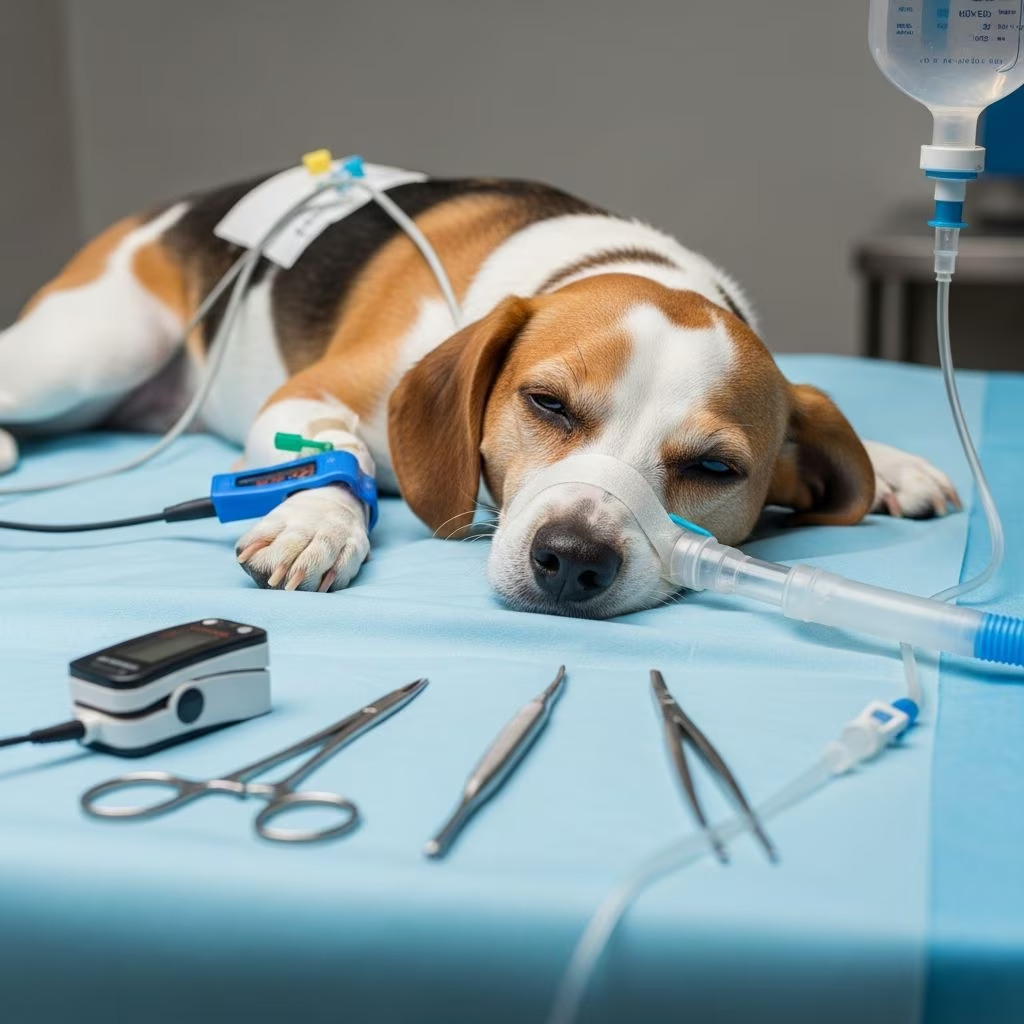
Administering anesthesia to dogs enables essential medical interventions like surgeries and dental work, allowing veterinarians to perform procedures painlessly. Modern protocols make it highly safe for most healthy pets, with fatality rates under 0.15% in large studies of over 150,000 cases.
Why Anesthesia is Crucial for Canine Procedures
Anesthesia creates controlled unconsciousness, preventing pain perception, movement, and memory formation during invasive treatments. This is indispensable for operations such as spaying, neutering, tumor removal, or fracture repairs, where precision is paramount. Without it, dogs would endure significant distress, complicating veterinary efforts and risking incomplete care.
Key advantages include reduced postoperative discomfort through balanced drug combinations that suppress pain signals effectively. For delicate tasks like orthopedic reconstructions or intricate dental extractions, immobility ensures accuracy, minimizing tissue trauma. In emergencies, such as gastric dilatation-volvulus in large breeds, swift anesthesia can be life-saving despite heightened urgency.
Assessing Safety Levels in Today’s Veterinary Practice
Contemporary anesthesia boasts impressive safety records, bolstered by advanced monitoring and tailored protocols. A 2022 analysis of 157,000 canine cases reported a 0.10% mortality rate within 48 hours post-procedure, rising slightly to 0.14% after two weeks. For routine neuters, risks plummet to about 1 per 10,000.
These figures stem from rigorous standards set by bodies like the American Veterinary Medical Association (AVMA), emphasizing pre-screening and continuous oversight. Healthy dogs, even seniors, tolerate it well, with complications more tied to underlying conditions or procedure complexity than the drugs themselves.
Factors That Influence Anesthetic Outcomes
Several variables can elevate or mitigate risks during dog anesthesia. Understanding these helps owners collaborate effectively with vets.
- Age Extremes: Puppies under six months and seniors over 10 years face higher vulnerability due to immature or declining organ function, like liver or kidney efficiency.
- Pre-existing Conditions: Heart disease, obesity, or respiratory issues amplify dangers; the AVMA classifies such cases as ‘high risk’ warranting extra precautions.
- Breed Traits: Brachycephalic (short-nosed) dogs like Bulldogs experience breathing challenges under sedation, while sighthounds such as Greyhounds metabolize drugs differently due to low body fat.
- Procedure Type: Emergencies carry 5-10 times the risk of electives because of inadequate stabilization time.
- Body Size: Tiny breeds (<5kg) show elevated mortality from dosing errors or hypothermia; giants may suffer prolonged recoveries or bloat risks.
| Risk Factor | Impact Level | Mitigation Strategy |
|---|---|---|
| Brachycephalic Breeds | High | Airway support, oxygen supplementation |
| Emergency Surgery | High | Stabilization fluids, rapid monitoring setup |
| Obesity | Medium | Weight-adjusted dosing, positioning aids |
| Healthy Adult | Low | Standard protocol with bloodwork |
Comprehensive Pre-Anesthesia Preparation Steps
Thorough evaluation forms the cornerstone of safe anesthesia. Vets typically mandate fasting 8-12 hours prior to reduce aspiration pneumonia risk from vomiting. Owners should disclose all medications, supplements, and prior sedation reactions.
Standard diagnostics include:
- Complete blood count (CBC) to detect infections or clotting issues.
- Chemistry panel assessing kidney, liver, and electrolyte balance.
- Urinalysis for hydration and organ health.
- Chest X-rays or ECG for cardiac/respiratory screening in at-risk dogs.
Intravenous catheters deliver fluids maintaining blood pressure and flushing anesthetics swiftly, while warming devices combat hypothermia, especially in small patients. Balanced electrolyte solutions support organ perfusion throughout.
Understanding the Anesthesia Process from Start to Finish
The journey begins with pre-medication sedatives calming the dog and easing induction. Injectable agents like propofol achieve rapid unconsciousness, followed by intubation for airway protection and gas anesthetics (isoflurane/sevoflurane) sustaining the plane.
Monitoring is relentless: pulse oximetry tracks oxygen saturation, capnography verifies ventilation, ECG and blood pressure units detect arrhythmias or hypotension, and thermometers prevent cooling. Depth is fine-tuned via reflexes and vital trends, ensuring stability.
Emergence involves tapering gases, extubating once swallowing returns, and shifting to recovery areas with close observation. Most dogs rouse within 30-60 minutes, though full alertness may take hours.
Common Side Effects and Serious Complications
Mild reactions like grogginess, shivering, ataxia, or inappetence resolve with rest and hydration. Nausea from opioids might prompt anti-emetics. Rare but grave issues encompass hypotension-induced organ strain, aspiration if regurgitation occurs, or allergic responses manifesting as swelling or anaphylaxis.
Perioperative mortality clusters post-recovery, with nearly half of incidents in the first few hours from respiratory depression or cardiac events. ASPCA data notes sick dogs’ risk at 1.33%, versus 0.05% for healthy ones.
Optimizing Recovery at Home and Clinic
Clinic-side, heated kennels and IV support accelerate clearance. Owners provide quiet confines, restrict activity 24-48 hours, offer small water sips escalating to bland diets, and watch for red flags like prolonged lethargy, vomiting, or breathing distress.
- Monitor incision sites for swelling/infection.
- Administer prescribed pain relief promptly.
- Prevent jumping or rough play to safeguard sutures.
Full vigor typically returns in 1-3 days; contact vets for anomalies.
Breed-Specific Considerations for Safer Anesthesia
Tailoring protocols enhances outcomes across morphologies. Flat-faced breeds need vigilant airway management and lighter planes to avert obstruction. Lean sighthounds benefit from propofol-sparing regimens due to prolonged effects. Giants require padded tables against nerve damage, and toys get precise micro-dosing plus insulation.
When to Weigh Alternatives or Delay Procedures
For low-risk electives, optimize health first: dental cleanings might wait for weight loss, masses for cardiac stabilization. Local blocks or heavy sedation suffice for minor work like lump removals. In crises, benefits eclipse risks, but informed discussions guide choices.
FAQs: Dog Anesthesia Clarified
Is anesthesia riskier for senior dogs?
Potentially, but pre-op bloodwork and monitoring neutralize many threats. Healthy elders fare comparably to youth.
How long does anesthesia last in dogs?
Effects dissipate in hours; surgery duration varies from 30 minutes (dentals) to several for complex ops.
What if my dog had a bad reaction before?
Alert your vet for customized agents, allergy tests, or alternatives like dissociatives.
Can I feed my dog before anesthesia?
No—fast per instructions to avert vomiting complications.
Does breed affect anesthesia choice?
Yes; brachycephalics get airway aids, sighthounds adjusted metabolizers.
Partnering with Your Vet for Confidence
Open dialogue dispels fears: inquire about protocols, monitoring gear, and contingency plans. Request tours of facilities or staff credentials. With these measures, anesthesia empowers healing, not hazard, for your companion.
References
- Is Dog Anesthesia Safe? Understanding Risks and Benefits — Apollo Vets in Surrey. 2023. https://apollovetsinsurrey.com/is-dog-anesthesia-safe-understanding-risks-and-benefits/
- Anesthesia for Dogs: What Is It, and How Does It Work? — PetMD. 2022. https://www.petmd.com/dog/procedure/anesthesia-for-dogs
- When your pet needs anesthesia — American Veterinary Medical Association (AVMA). 2024. https://www.avma.org/resources-tools/pet-owners/petcare/when-your-pet-needs-anesthesia
- HOW SAFE IS ANESTHESIA FOR DOGS AND CATS? — ASPCApro. 2011 (authoritative survey data remains foundational). https://www.aspcapro.org/sites/default/files/wysiwyg-uploads/asna_reference_safe_anesthesia.pdf
- Dog Anesthesia – Risks, Side Effects & Why it’s Necessary — Greensboro Carolina Vet. 2024-07-30. https://www.greensboro.carolinavet.com/site/greensboro-specialty-veterinary-blog/2024/07/30/veterinary-surgery-dog-anesthesia



