
Dog And Cat Nutrition Guide: Key Differences And Feeding Tips
Discover essential nutritional differences between dogs and cats to ensure optimal health and longevity for your pets.
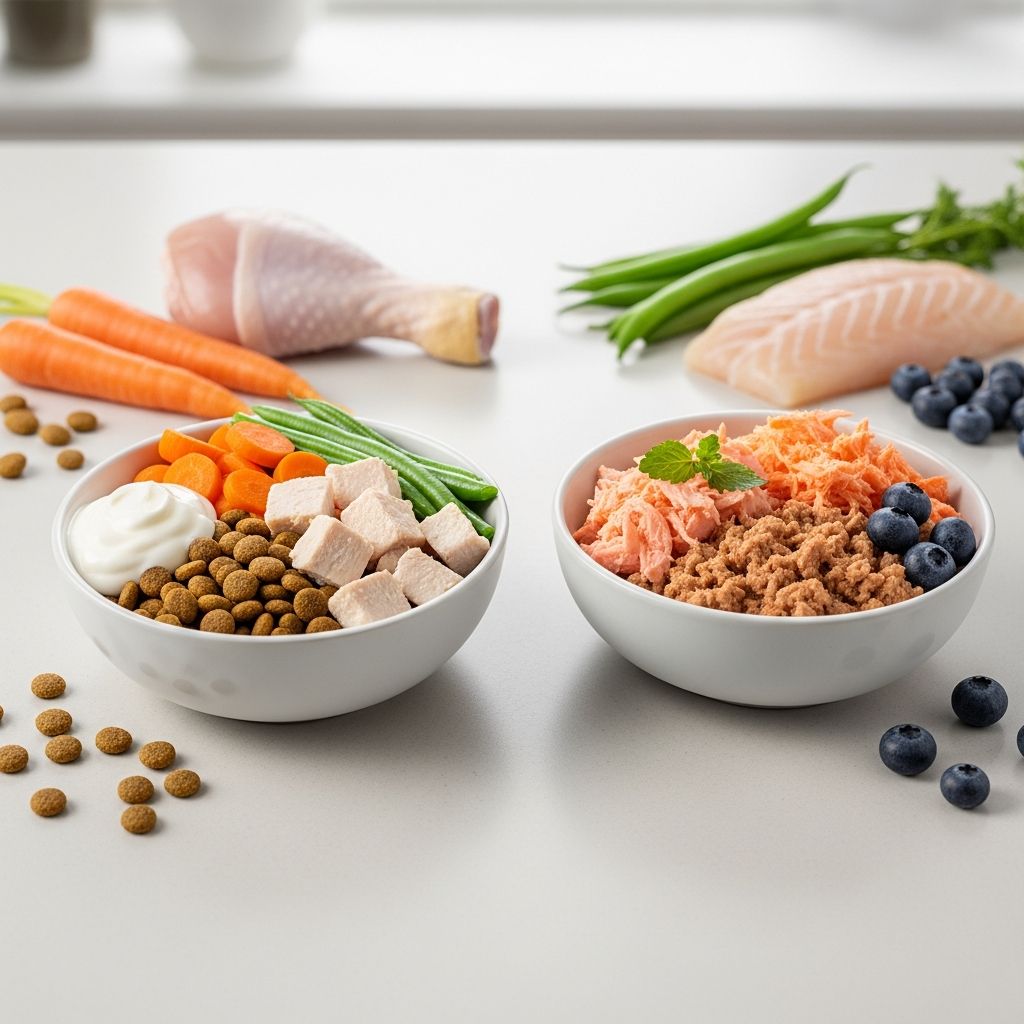
Proper nutrition forms the foundation of health for dogs and cats, two popular pets with distinct dietary requirements shaped by their evolutionary biology. Dogs, as omnivores, adapt to varied foods, while cats, strict carnivores, depend on animal-derived nutrients. Understanding these differences prevents deficiencies and supports vitality across life stages.
Fundamental Dietary Distinctions
Dogs and cats belong to the order Carnivora but diverge in feeding habits. Cats must consume meat to obtain vital compounds their bodies cannot produce, whereas dogs efficiently process both animal and plant materials. This core difference influences all aspects of their diets, from protein levels to vitamin sources.
- Cats require preformed nutrients like taurine and arachidonic acid exclusively from animal tissues.
- Dogs synthesize many such nutrients internally, allowing flexibility in food sources.
- Failure to meet feline-specific needs can lead to severe issues like heart disease or blindness.
Protein: The Cornerstone of Feline Diets
Protein demands differ markedly. Cats utilize about 20% of high-quality protein for growth and 12% for maintenance, far exceeding dogs’ 12% and 4% respectively. Feline food must feature elevated protein to fuel their meat-centric metabolism.
| Nutrient | Cats (% Utilization) | Dogs (% Utilization) |
|---|---|---|
| Growth Protein | 20% | 12% |
| Maintenance Protein | 12% | 4% |
Cat foods prioritize animal proteins, while dog formulas balance with grains and veggies suitable for omnivores.
Critical Amino Acids for Cats
Taurine stands out as essential for cats, supporting heart function, vision, bile production, and reproduction. Cats lack the enzymes to synthesize it from precursors like methionine, risking dilated cardiomyopathy or retinal degeneration without dietary supply. Arginine is equally vital; cats rely solely on it to produce ornithine, detoxifying ammonia from protein breakdown. Dogs produce ornithine via alternative pathways.
- Taurine deficiency symptoms: blindness, heart failure, poor kitten development.
- Arginine absence: rapid ammonia toxicity, potentially fatal.
Dog foods rarely provide these at feline levels, underscoring why cross-feeding harms cats.
Fatty Acids and Their Roles
Cats cannot convert linoleic acid to arachidonic acid, necessary for skin health, digestion, and clotting. Thus, cat diets include animal fats rich in this fatty acid. Dogs generate it endogenously, reducing the need in their foods. These lipids also provide concentrated energy, aligning with cats’ inefficient fat storage compared to dogs’ fasting tolerance.
Vitamin Requirements and Synthesis Limits
Cats struggle with vitamin synthesis. They cannot activate plant carotenoids into vitamin A (retinol), vital for vision and skin, requiring preformed sources from meat. Dogs possess intestinal enzymes for this conversion. Niacin (B3) follows suit: cats ingest it directly, unable to transform tryptophan, while dogs do both.
| Vitamin | Cat Requirement | Dog Capability |
|---|---|---|
| Vitamin A | Preformed from animal sources | Converts from plant carotenoids |
| Niacin | Dietary only | From tryptophan or diet |
These gaps reinforce cats’ carnivorous mandate, making plant-heavy dog foods inadequate.
Life-Stage Nutritional Adjustments
Nutrient profiles shift with age, activity, and reproduction. Puppies and kittens demand higher protein, calories, and minerals for growth. Gestation and lactation amplify needs: cats require taurine surges for kitten health.
- Growth phase: Elevated energy, DHA for brain development.
- Adult maintenance: Balanced to prevent obesity.
- Senior: Joint support, antioxidants, moderated calories.
AAFCO sets profiles ensuring completeness for each stage, expressed on dry matter basis.
Types of Commercial Pet Foods
Pet foods come as dry kibble, wet canned, semi-moist, or fresh. Dry offers convenience and dental benefits; wet provides hydration, ideal for cats prone to urinary issues.
- Dry: Economical, long shelf life.
- Wet: High moisture, palatable for picky eaters.
- Fresh: Minimally processed, human-grade ingredients.
All must meet AAFCO standards for “complete and balanced” labeling, verified via feeding trials or formulation.
Interpreting Pet Food Labels
Labels reveal guarantees: crude protein, fat, fiber minima. “All life stages” suits multi-pet homes if appropriate; otherwise, select stage-specific. Principal Display Panel lists species and life stage first.
Ingredients descend by weight pre-cooking; named meat means at least 70% if first. Avoid fillers dominating lists.
Dangers of Species-Inappropriate Feeding
Dog food lacks feline essentials, causing taurine depletion, blindness, or cardiomyopathy long-term. Cats fed dog food face protein, fat, vitamin shortfalls. Conversely, cat food’s density risks canine obesity, GI upset, or pancreatitis from excess fat.
Small amounts pose little harm, but exclusive cross-feeding endangers health.
Special Dietary Considerations
Certain conditions demand tailored nutrition: obesity needs calorie control; urinary health favors wet foods; allergies require hypoallergenic proteins. Aging pets benefit from joint aids like glucosamine and antioxidants.
- Neutered pets: Lower calories to counter slowed metabolism.
- Breed-specific: e.g., large-breed puppies for skeletal health.
Feeding Strategies for Success
Portion by weight, activity, using feeding guides as starts. Multiple daily meals aid digestion, especially felines. Fresh water always; monitor body condition score (ideal: visible waist, palpable ribs).
- Weigh pets regularly.
- Adjust for treats (<10% calories).
- Transition foods gradually over 7-10 days.
Frequently Asked Questions
Can dogs eat cat food occasionally?
Yes, small amounts rarely cause issues, but regular intake leads to weight gain or digestive problems due to higher fat/protein.
Why can’t cats eat dog food?
Dog food omits taurine, arginine, arachidonic acid, and preformed vitamins A/niacin, risking serious deficiencies.
What makes food ‘complete and balanced’?
Meets AAFCO nutrient profiles via trials or calculation for species/life stage.
How much to feed my pet?
Follow label guides, adjust per weight/activity; consult vets for precision.
Are raw diets safe?
They mimic natural intake but risk bacteria/parasites; balance meticulously or choose commercial vetted options.
Conclusion
Tailoring diets to species biology ensures dogs and cats flourish. Prioritize AAFCO-compliant foods matching life stages, read labels astutely, and observe pet responses for tweaks. Veterinary input refines choices for peak wellness.
References
- Essential Differences Between Dog and Cat Diets You Need to Know — Furry Green. 2023. https://furrygreen.hk/blogs/blog/differences-between-dog-and-cat-food
- How a Cat’s Nutritional Needs are Different from a Dog’s — PetMD. 2023. https://www.petmd.com/cat/nutrition/evr_ct_cat_nutritional_needs_different
- Cats vs. Dogs: 5 Differences in Nutritional Needs — Pet Food Institute. 2023. https://www.petfoodinstitute.org/cats-vs-dogs-5-differences-nutritional-needs/
- Can dogs & cats eat the same food — Purina Institute. 2023. https://www.purinainstitute.com/centresquare/understanding-pet-food/can-dogs-and-cats-eat-the-same-food
- Nutritional needs and health outcomes of ageing cats and dogs — PMC (NCBI). 2024-05-29. https://pmc.ncbi.nlm.nih.gov/articles/PMC11188961/
- Complete and Balanced Pet Food — FDA. 2023. https://www.fda.gov/animal-veterinary/animal-health-literacy/complete-and-balanced-pet-food
- Selecting the Right Pet Food — AAFCO. 2023. https://www.aafco.org/consumers/understanding-pet-food/selecting-the-right-pet-food/
Similar Articles








Read full bio of medha deb


