

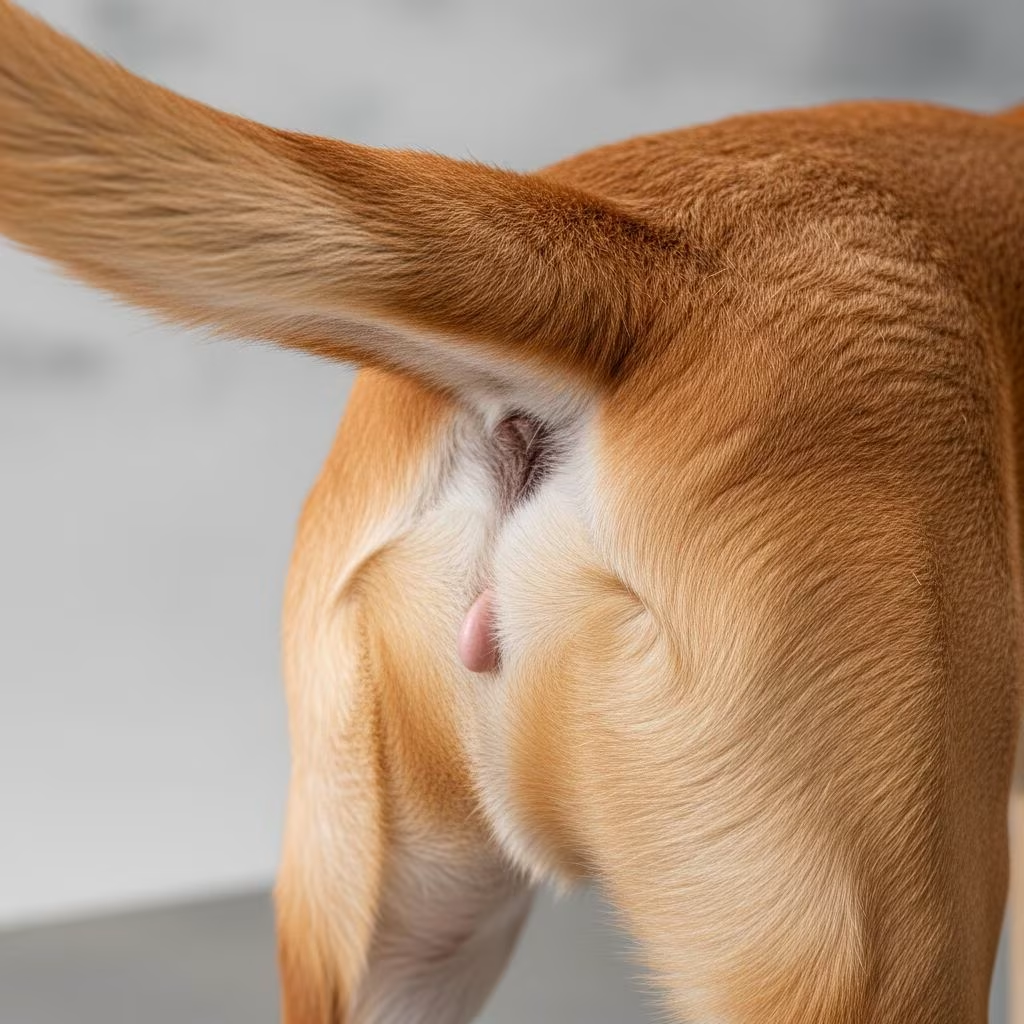
Dogs possess two small sacs, known as anal glands or anal sacs, located on either side of the anus at approximately the 4 and 8 o’clock positions. These glands produce a thick, odorous fluid used for scent marking territory, which typically expresses naturally during bowel movements as firm stool provides the necessary pressure. While many dogs never experience issues, problems arise when these glands fail to empty properly, leading to impaction, inflammation, infection, or abscesses, causing discomfort and requiring veterinary attention.
What Are Dog Anal Glands?
The anal glands are small, oval-shaped sacs flanking the anus internally. They secrete a pungent, fishy-smelling fluid rich in proteins and lipids, unique to each dog, aiding in identification among packs. In wild canines, this fluid marks territory during defecation. Domestic dogs rely on the same mechanism, where firm feces squeeze the glands, expelling fluid through tiny ducts at the anus.
Healthy expression occurs effortlessly with normal bowel movements. However, if stools are too soft or the dog’s anatomy hinders emptying, fluid accumulates, thickening and potentially blocking ducts. Small breeds like Chihuahuas, Dachshunds, and Poodles are predisposed due to narrower ducts, alongside overweight dogs whose excess tissue impairs muscle tone around the anus.
Anal Gland Problems in Dogs
Anal gland issues encompass impaction (blockage), sacculitis (inflammation), infection, abscesses, and rarely tumors or ectopic sacs. Impaction happens when fluid builds up and hardens, causing swelling. Untreated, bacteria proliferate, leading to painful infections or abscesses that may rupture, leaking pus.
Chronic cases link to underlying issues like allergies, poor gut health, or dysbiosis, disrupting stool consistency. Obesity exacerbates by weakening perianal muscles, while low-fiber diets produce soft stools lacking expression pressure. Genetics play a role, with smaller breeds overrepresented, though any dog can be affected.
Symptoms of Anal Gland Issues
Recognizing symptoms early prevents escalation. Common signs include:
- Scooting: Dragging rear on floors or grass to relieve pressure, the hallmark behavior.
- Excessive licking or chewing: Targeting anus or tail base due to irritation.
- Foul odor: Fishy smell from leaking fluid.
- Straining or pain during defecation: Difficulty pooping, with possible blood or pus.
- Swelling/redness: Visible inflammation around anus; dog may yelp when touched.
- Behavioral changes: Irritability, restlessness, or sudden glances at hindquarters.
Severe cases show fever, lethargy, or abscess rupture with draining tracts. If observed, consult a vet promptly to avoid complications like sepsis.
Causes and Risk Factors
Several factors contribute to anal gland dysfunction:
| Risk Factor | Description |
|---|---|
| Soft/chronic loose stools | Lacks pressure for natural expression; often from low-fiber diets or diarrhea. |
| Obesity | Weakens anal sphincter muscles, hindering emptying. |
| Breed predisposition | Small breeds (e.g., Bulldogs, Beagles) have anatomical issues like narrow ducts. |
| Allergies/dermatitis | Causes inflammation, altering local environment. |
| Poor gut health | Dysbiosis affects stool quality and immunity. |
| Genetics/inactivity | Sedentary lifestyles prevent muscle tone maintenance. |
These interplay; for instance, allergies lead to diarrhea, compounding impaction risk.
Diagnosis of Anal Gland Disease
Veterinarians diagnose via physical exam, gently expressing glands externally or digitally to assess fluid volume, consistency, color, and odor. Thick, gritty, or bloody discharge indicates problems. In painful cases, sedation ensures comfort. Advanced diagnostics like cytology, culture for bacteria, ultrasound for abscesses/tumors, or flushing under anesthesia confirm infections or deeper issues. Owners should never attempt self-expression, risking injury or infection spread.
Treatment Options
Treatment varies by severity:
- Manual expression: Vet manually squeezes glands; done gently to avoid trauma.
- Medications: Antibiotics for infections, anti-inflammatories/pain relief for sacculitis.
- Flushing: Under sedation, saline irrigates blocked ducts.
- Warm compresses: Soothes swelling pre-expression.
- Surgery: Rare; anal sacculectomy for recurrent cases, though risks incontinence.
Address root causes: allergy testing, deworming, or dietary changes. Buster collars prevent licking-induced trauma.
Prevention Strategies
Proactive measures reduce recurrence:
- Dietary fiber boost: Pumpkin, psyllium, or high-fiber kibble firms stools for natural expression.
- Weight management: Exercise maintains muscle tone; aim for lean body condition.
- Probiotics/prebiotics: Support gut microbiome for consistent stools.
- Routine vet checks: Especially for at-risk breeds; express during grooming if needed.
- Hydration/exercise: Promotes firm stools and circulation.
A whole-food diet with fresh ingredients enhances overall health, minimizing risks.
When to See a Vet
Seek immediate care for scooting, odor, licking, straining, or swelling. Delaying risks abscess rupture, chronic pain, or fistula formation. Recurrent issues warrant investigation for allergies or anatomical abnormalities. Vets like those at Cornell emphasize early intervention prevents progression to sacculitis or worse.
Frequently Asked Questions (FAQs)
Why do dogs scoot their butts on the ground?
Scooting relieves full or impacted anal glands; the friction mimics expression. It’s a red flag for vet evaluation.
Can I express my dog’s anal glands at home?
Not recommended without training; improper technique causes pain or infection. Leave to professionals.
How often should dog anal glands be expressed?
Healthy dogs self-express; no routine needed. Only if symptomatic or vet-recommended for chronics.
Are anal gland problems more common in certain breeds?
Yes, small breeds like Poodles and Bulldogs due to anatomy; obesity affects all.
What diet helps prevent anal gland issues?
High-fiber diets with pumpkin or supplements firm stools, aiding natural emptying.
Can anal gland abscesses be life-threatening?
Untreated ruptures lead to severe infections; prompt antibiotics and drainage essential.
This guide empowers owners to monitor and maintain anal gland health, ensuring dogs live comfortably. Consult your vet for personalized advice.
References
- Anal Gland Disease in Dogs — American Kennel Club. 2023-05-15. https://www.akc.org/expert-advice/vets-corner/anal-gland-disease-in-dogs/
- Anal Gland Issues in Dogs: What to Be Aware of — Partners Animal Hospital West Loop. 2024-02-10. https://partnersvetwl.com/?p=4885
- Dog Anal Glands – What Every Dog Lover Needs to Know — MyGavet. 2023-11-20. https://www.mygavet.com/services/dogs/blog/dog-anal-glands-what-every-dog-lover-needs-know
- Blocked Anal Glands in Dogs — People’s Dispensary for Sick Animals (PDSA). 2024-08-05. https://www.pdsa.org.uk/pet-help-and-advice/pet-health-hub/conditions/blocked-anal-glands-in-dogs
- Dog’s Anal Glands: Common Problems & Treatment — Pooch & Mutt. 2024-01-12. https://www.poochandmutt.co.uk/blogs/health/dogs-anal-glands-common-problems-treatment
- 3 Top Tips For Anal Gland Health in Dogs — My Pet Nutritionist. 2023-09-18. https://mypetnutritionist.com/post/3-top-tips-for-anal-gland-health-in-dogs/
- Anal Sac Diseases — Cornell University College of Veterinary Medicine. 2024-03-22. https://www.vet.cornell.edu/departments-centers-and-institutes/riney-canine-health-center/canine-health-information/anal-sac-diseases



