
Dog Anal Glands: Spotting and Solving Issues
Learn to identify anal gland problems in dogs early, understand treatment options, and prevent future discomfort for a happier pet.
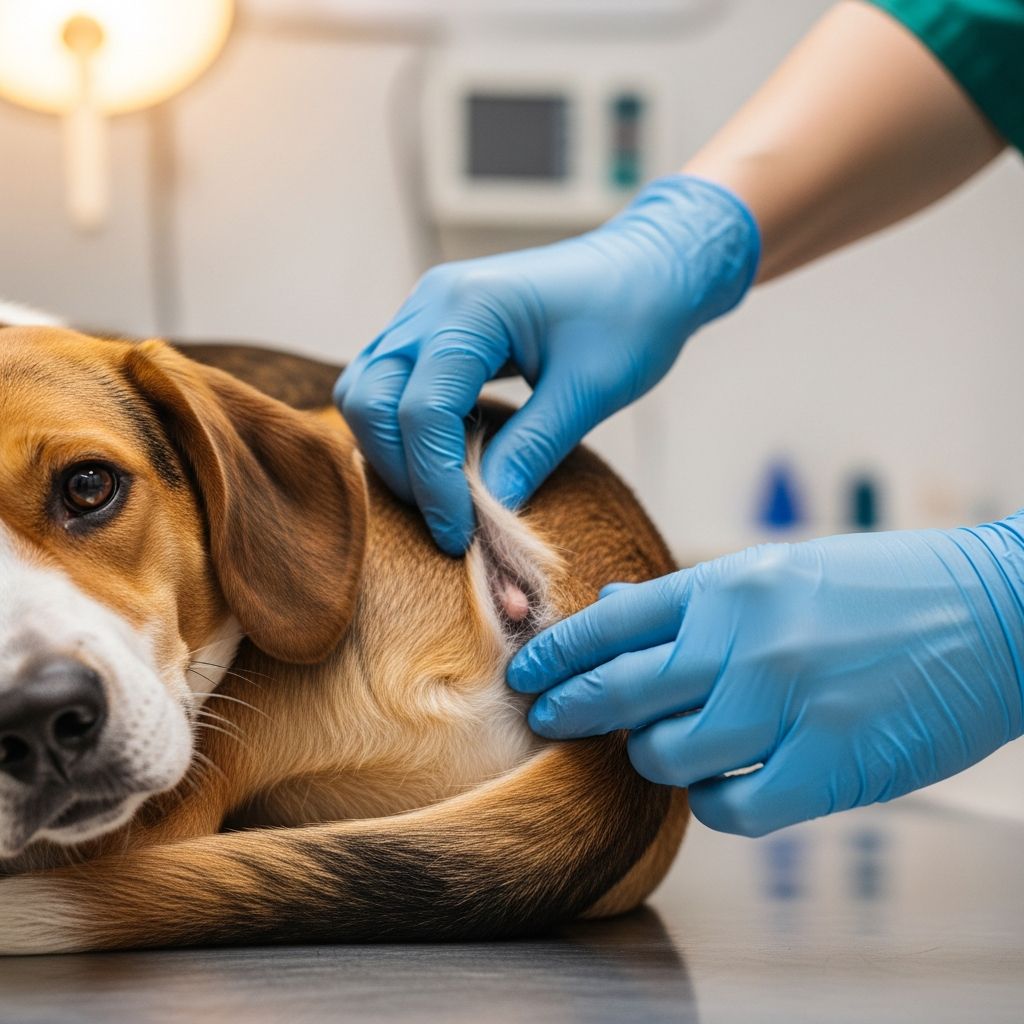
Anal glands, also known as anal sacs, play a subtle yet vital role in a dog’s communication and elimination processes. Located on either side of the anus, these small pouches produce a distinctive fluid that dogs use to mark territory. Under normal circumstances, they empty naturally during bowel movements. However, when blockages or imbalances occur, they can lead to significant discomfort for your pet. This guide explores how to recognize when your dog needs anal gland attention, professional intervention options, and proactive steps to maintain glandular health.
The Biology Behind Canine Anal Glands
Canine anal glands are paired structures positioned at the 4 and 8 o’clock positions around the anus. They secrete a thick, odorous substance rich in proteins and lipids, unique to each dog, aiding in individual scent identification. Firm stools from healthy defecation typically compress these sacs, facilitating natural expulsion. Disruptions like soft stools, obesity, or allergies can prevent proper emptying, leading to accumulation.
Smaller breeds experience these challenges more frequently due to anatomical factors, though any dog can be affected. Understanding this mechanism empowers owners to monitor stool quality and overall rear-end hygiene as early indicators of glandular function.
Recognizing Trouble: Key Symptoms to Watch For
Observant pet owners can spot anal gland distress through behavioral and physical cues. Early detection prevents escalation from mild irritation to severe infections.
- Scooting on floors or grass: Dogs drag their hindquarters to relieve pressure from full sacs, a classic red flag.
- Excessive licking or chewing at the rear: This self-soothing attempts to alleviate itching or fullness.
- Fishy or foul anal odor: Leaking fluid carries a pungent smell, often noticeable on fur or bedding.
- Straining during defecation (dyschezia): Difficulty pooping signals blockage impeding normal evacuation.
- Reluctance to sit: Swollen glands make flat sitting painful.
Advanced signs include whimpering, lethargy, visible swelling, redness, or bloody discharge around the anus. These warrant immediate veterinary consultation to avert abscesses or ruptures.
Why Do Anal Gland Problems Develop?
Several factors contribute to anal sac dysfunction. Primarily, inconsistent stool firmness fails to provide adequate pressure for expression. Diets low in fiber result in loose stools, while dehydration exacerbates this. Obesity adds mechanical hindrance, as excess rear fat compresses glands abnormally.
Allergies, both food and environmental, provoke inflammation, thickening secretions and promoting bacterial overgrowth. Anatomical predispositions in breeds like Chihuahuas, Dachshunds, and Bulldogs heighten susceptibility. Neglected hygiene or infrequent exercise further compounds risks, creating a cycle of impaction.
Professional Diagnosis and Treatment Pathways
Veterinarians diagnose via physical exam, including digital rectal palpation to assess sac fullness, inflammation, or infection. Additional diagnostics like cytology, bacterial cultures, or imaging guide tailored plans.
Treatment varies by severity:
| Condition | Treatment | Expected Outcome |
|---|---|---|
| Impaction | Manual expression | Immediate relief |
| Infection | Antibiotics, topical ointments | Resolution in 7-14 days |
| Abscess | Drainage, flushing under sedation | Healing post-antibiotics |
| Chronic/Recurrent | Surgery (sac removal) | Long-term prevention, with incontinence risks |
Manual expression involves gently milking contents via rectal insertion, best left to professionals to avoid trauma. Post-expression, flushing may clear debris. Medications target secondary infections or inflammation.
Prevention Strategies for Optimal Gland Health
Proactive measures reduce recurrence rates significantly. Focus on diet, exercise, and monitoring.
- Fiber-rich nutrition: Supplements like pumpkin or psyllium firm stools, promoting natural expression.
- Weight control: Regular activity prevents obesity-related compression.
- Hydration and allergy management: Ensure fresh water; hypoallergenic diets curb inflammatory triggers.
- Routine veterinary exams: Early checks catch subclinical issues.
Avoid routine groomer expressions unless vet-recommended, as over-expression irritates tissues.
Can Owners Handle Expression at Home?
While some trained owners manage external expression for mildly impacted sacs, internal methods require expertise. Risks include incomplete emptying, injury, or infection spread. Professionals use proper technique and hygiene, making them preferable, especially for novices. Consult your vet for training if pursuing home care.
Long-Term Management for Chronic Cases
Dogs with persistent issues benefit from scheduled expressions, dietary trials, or allergy testing. Surgical sacculectomy resolves refractory problems but carries 10-15% incontinence risk post-op. Weigh benefits against complications with your veterinarian.
FAQs on Dog Anal Gland Care
How often should anal glands be checked?
Only when symptoms appear; routine emptying isn’t advised unless problems recur.
Is scooting always anal gland-related?
Often yes, but rule out parasites, allergies, or hip issues via vet exam.
What diet helps anal glands?
High-fiber foods (25-30g/day for adults) with balanced protein support firm stools.
Do all dogs need expression?
No, many express naturally; small breeds or those with soft stools are prone.
When is it an emergency?
Severe swelling, pus, fever, or refusal to eat signal urgent care.
Holistic Approaches and Supplements
Emerging options include omega-3 fatty acids for anti-inflammatory effects and probiotics for gut-anal axis support. Pumpkin powder (1-4 tsp daily, size-dependent) adds bulk without calories. Always vet-approve additions to avoid GI upset.
Exercise routines like daily 30-minute walks enhance muscle tone, aiding defecation pressure. Monitor for breed-specific vulnerabilities during wellness visits.
References
- Dog Anal Glands: Common Problems, Treatment, and Prevention — PetMD. 2023-10-15. https://www.petmd.com/dog/general-health/dog-anal-glands
- Anal Gland Issues in Dogs: What to Be Aware of — Partners Animal Hospital West Loop. 2024-05-22. https://partnersvetwl.com/?p=4885
- Blocked anal glands in dogs — PDSA. 2025-01-10. https://www.pdsa.org.uk/pet-help-and-advice/pet-health-hub/conditions/blocked-anal-glands-in-dogs
- Dog Anal Glands Care — Bliss Animal Hospital. 2024-08-05. https://blissanimalhospital.com/blog/dog-anal-glands-care-orange-county/
- Dog Anal Gland Infection: How Serious Is It? — GSVS. 2024-03-12. https://gsvs.org/blog/dog-anal-gland-infection-emergency/
Similar Articles








Read full bio of medha deb


