

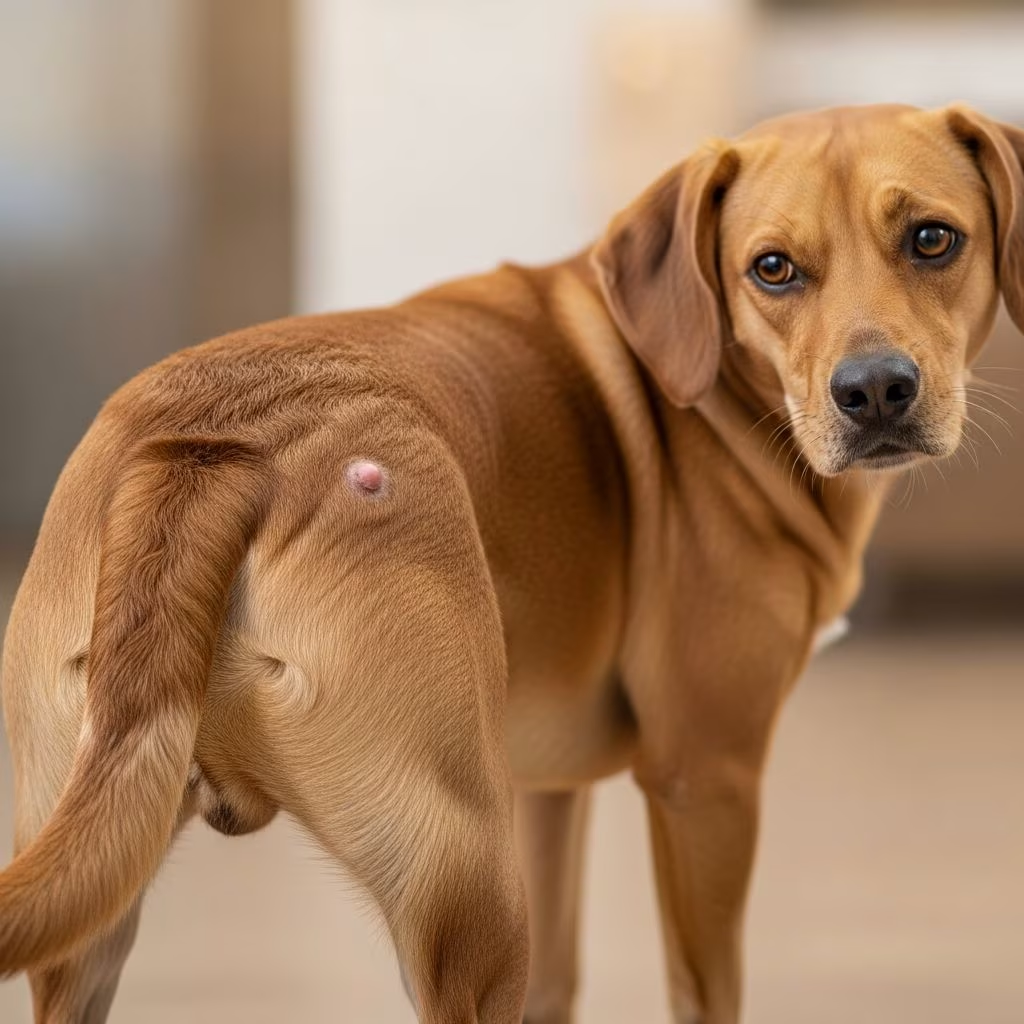
Dog anal glands, also called anal sacs, are small glands located on either side of a dog’s anus that play an important role in canine health and communication. While many dogs never experience problems with their anal glands, some develop issues that can cause discomfort and require veterinary treatment. Understanding how these glands work, recognizing signs of problems, and knowing how to prevent issues can help keep your dog healthy and comfortable.
Understanding Dog Anal Glands
Anal glands are two small, grape-sized structures positioned at approximately the 4 o’clock and 8 o’clock positions just under the skin on either side of a dog’s anus. These glands are embedded in the muscle of the anal sphincter and contain sebaceous tissue that produces a pungent, oily fluid unique to each individual dog. The anal glands connect to the anus through small ducts that allow the secretions to be released.
Structure and Location
Each anal sac is lined with sebaceous glands that continuously produce fluid throughout the day. This fluid accumulates in the sacs and is normally released through tiny pores when your dog defecates. The glands themselves are internal structures and are not visible when examining your dog’s rear end. In most healthy dogs, the anal glands remain relatively small and go unnoticed throughout the dog’s entire life.
Function of Anal Glands
The primary function of anal glands is to produce secretions that serve as a form of canine communication and territory marking. When a dog defecates, the pressure from passing stool naturally compresses the anal sacs, releasing a small amount of the scent-marking fluid. This distinctive odor allows dogs to communicate with other dogs and mark their territory near their home or yard. Additionally, anal gland secretions may help dogs recognize each other during social interactions, which is why dogs often sniff each other’s rear ends when meeting. In some cases, dogs may also involuntarily express their anal glands when frightened or stressed, releasing a fishy odor as a sign of their emotional state.
Signs of Dog Anal Gland Problems
Recognizing the symptoms of anal gland issues is crucial for early intervention and treatment. Dogs with anal gland problems typically display one or more of the following signs:
- Frequent licking, biting, or attempts to bite their hind end
- Scooting or dragging their rear end across the floor
- Straining to defecate
- Displaying signs of discomfort when defecating (dyschezia)
- Reluctance or refusal to sit
- Visible discharge around the anal area
- A strong, persistent fishy odor
- Swelling or inflammation around the anus
- Pain or sensitivity when the rear end is touched
If your dog exhibits any of these signs, it’s important to schedule a veterinary appointment promptly. While some anal gland issues resolve on their own, others require professional treatment to prevent complications.
Common Anal Gland Diseases in Dogs
Anal Gland Impaction
Anal gland impaction is the most common disorder affecting the anal glands. This condition occurs when the fluid produced in the glands becomes too thick to be naturally expressed through the small pores. For reasons that are not completely understood, the consistency of the gland secretions changes, preventing normal drainage. The fluid continues to accumulate in the glands, causing them to enlarge and become irritated. Dogs with impacted anal glands typically experience discomfort and may scoot their rear end across the floor or lick the area excessively. Impaction can be triggered or worsened by soft stools, small breed predisposition, obesity, anal sphincter muscle weakness, or poor anal gland duct function.
Anal Gland Infections
Anal gland infections are typically caused by bacterial growth within the anal sacs. When bacteria multiply in the gland environment, they cause inflammation and irritation of the gland tissue. Infected anal glands become swollen, tender, and uncomfortable for the dog. Dogs with anal gland infections may show increased licking or biting at the rear end, signs of pain, or a foul odor. If left untreated, anal gland infections can progress to more serious complications.
Anal Gland Abscesses
An abscess represents a progression of an untreated anal gland infection. As the bacterial infection worsens, pus accumulates within the anal sac, causing significant swelling and pain. The gland becomes increasingly enlarged and tender to the touch. Dogs with anal gland abscesses often show more severe signs of discomfort, including difficulty sitting or moving, reluctance to defecate, and visible swelling around the anal area. The accumulating pus puts pressure on surrounding tissues and can cause systemic signs of illness if the infection spreads.
Anal Gland Rupture
Anal gland rupture is the most severe complication of anal gland disease. If an abscess is not treated, it will continue to enlarge until the anal sac wall ruptures, allowing pus to drain into the surrounding tissue. This creates an open wound and can lead to serious secondary infections. A ruptured anal gland is a medical emergency requiring immediate veterinary attention. The rupture causes severe pain, significant swelling, and may lead to systemic infection or sepsis if not promptly treated.
Anal Gland Tumors
While less common than other anal gland disorders, tumors can develop in anal gland tissue. These may be benign or malignant and typically require surgical removal. Any unusual lumps, persistent discharge, or chronic anal gland problems should be evaluated by a veterinarian to rule out neoplasia.
Risk Factors for Anal Gland Problems
Certain factors increase a dog’s risk of developing anal gland issues. Small breed dogs are particularly prone to anal gland problems, potentially due to reduced anal sphincter muscle tone and weaker pressure during defecation. Dogs with soft or small stools are at higher risk, as firm stools provide the necessary pressure to fully empty the glands. Obesity can contribute to anal gland dysfunction by affecting muscle tone and increasing pressure on the anal area. Dogs with poor anal sphincter muscle tone, whether from genetics, age, or sedentary lifestyle, are more likely to experience impaction. Additionally, some breeds with tight tail anatomy or brachycephalic features may have anatomical factors that predispose them to anal gland issues.
Diagnosis and Treatment
Veterinary Examination
When you bring your dog to the veterinarian for suspected anal gland problems, the veterinarian will perform a thorough physical examination. This includes palpating the anal glands to assess their size, firmness, and whether they are painful or distended. Your veterinarian may also gently express the glands to evaluate the nature and consistency of any fluid released. In cases of suspected infection or complications, additional diagnostics such as cytology (microscopic examination of fluid from the glands) or imaging may be recommended.
Expression of Anal Glands
Manual expression is the primary treatment for anal gland impaction. During this procedure, the veterinarian or trained technician applies gentle pressure to the anal glands to manually empty them. This procedure can be performed externally by applying pressure around the anus, or internally if needed. While expression provides immediate relief, it does not address underlying causes of the impaction, and glands may become impacted again in the future.
Medication and Antibiotics
For infected anal glands, antibiotics are typically prescribed to eliminate bacterial growth and resolve inflammation. The specific antibiotic chosen depends on the type of bacteria identified and sensitivity testing if performed. Treatment duration usually ranges from 7 to 14 days. Pain medications may also be prescribed to provide comfort during the healing process.
Surgical Intervention
In cases of severe abscesses, ruptures, or chronic problems that do not respond to conservative treatment, surgical removal of the affected anal gland may be necessary. Anal sacculectomy involves surgical excision of the problematic gland and is often curative for chronic issues. However, surgery carries risks including fecal incontinence in rare cases, so it is typically reserved for severe or recurrent problems.
Prevention Strategies
Diet and Fiber
A high-fiber diet can help promote firm, bulky stools that provide adequate pressure for natural gland expression. Increasing dietary fiber through appropriate commercial diets or supplements like psyllium husk can improve gland function and reduce impaction risk. Maintaining appropriate body weight through proper nutrition and portion control also supports anal gland health.
Exercise and Activity
Regular exercise promotes healthy bowel function and muscle tone, both important for proper anal gland expression. Active dogs typically have better anal sphincter muscle strength, which facilitates natural gland emptying. Aim for daily walks and age-appropriate physical activity based on your dog’s individual needs.
Regular Veterinary Care
Regular wellness exams allow your veterinarian to monitor anal gland health and catch problems early. If your dog is prone to anal gland issues, your veterinarian may recommend periodic gland expressions as a preventive measure. Some dogs benefit from scheduled expressions every 4 to 8 weeks to prevent impaction.
Monitor for Symptoms
Being vigilant about observing your dog’s behavior helps identify anal gland problems quickly. If you notice your dog scooting, licking excessively, straining to defecate, or displaying other signs of discomfort, contact your veterinarian promptly.
Frequently Asked Questions About Dog Anal Glands
Q: Why do dogs scoot across the floor?
A: Scooting is typically a sign that a dog’s anal glands are uncomfortable, impacted, or infected. The dog is attempting to relieve the pressure and irritation by dragging their rear end across the floor. This behavior warrants a veterinary evaluation.
Q: How often should my dog’s anal glands be expressed?
A: Most healthy dogs naturally express their anal glands during defecation and never require manual expression. However, dogs prone to impaction may need expression every 4 to 8 weeks. Your veterinarian can recommend an appropriate schedule based on your dog’s individual needs.
Q: Can I express my dog’s anal glands at home?
A: While it is possible to learn external anal gland expression, it is recommended that you have your veterinarian or trained veterinary technician perform this procedure. Improper technique can cause discomfort or injury to your dog or spread infection.
Q: Are certain breeds more prone to anal gland problems?
A: Yes, small breed dogs are generally more prone to anal gland issues than large breeds. Breeds such as Beagles, Cocker Spaniels, Toy Poodles, and other small dogs frequently experience anal gland problems. Dogs with brachycephalic features or tight tail anatomy may also be predisposed.
Q: What causes anal gland infections?
A: Anal gland infections typically result from bacterial overgrowth in the gland environment. Impacted glands that cannot empty properly create conditions favorable for bacterial growth. Infections can also occur secondary to other health issues affecting immune function or anal gland anatomy.
Q: Is anal gland rupture an emergency?
A: Yes, a ruptured anal gland is a medical emergency. The rupture allows infection to spread into surrounding tissue and potentially into the bloodstream. Seek immediate veterinary care if you suspect your dog has a ruptured anal gland, indicated by severe swelling, discharge, pain, and signs of systemic illness.
Q: Can diet changes prevent anal gland problems?
A: Yes, increasing dietary fiber and ensuring your dog maintains a healthy weight can help prevent anal gland impaction. Firm, bulky stools provide the pressure necessary for natural gland expression. Consult your veterinarian about appropriate dietary modifications for your dog.
Q: What is the difference between impaction and infection?
A: Impaction occurs when anal gland fluid becomes too thick to be naturally expressed and accumulates in the glands. Infection develops when bacteria multiply in the gland tissue, causing inflammation and potentially leading to abscess formation. Infections are more serious and require antibiotic treatment.
References
- Structure and Function of Anal Glands in Dogs — PetPlace.com. 2024. https://www.petplace.com/article/dogs/pet-health/structure-and-function-of-anal-glands-in-dogs
- Anal Gland Information — Vetnique (Glandex). 2024. https://vetnique.com/pages/anal-gland-information
- Comparative Anal Gland Anatomy in Dogs by Breed and Size — Seaweed for Dogs. 2024. https://seaweedfordogs.com/en-us/pages/comparative-anal-gland-anatomy-in-dogs-by-breed-and-size
- Those Glands in the Rear: Everything You Don’t Want to Know (but Should) — ScentHound. 2020. https://www.scenthound.com/dogblog/2020/6/5/anal-glands-everything-you-dont-want-to-know-but-should
- Dog Anal Glands: Common Problems, Treatment, and Prevention — PetMD. 2024. https://www.petmd.com/dog/general-health/dog-anal-glands
- Anal sac diseases — Cornell University College of Veterinary Medicine, Riney Canine Health Center. 2024. https://www.vet.cornell.edu/departments-centers-and-institutes/riney-canine-health-center/canine-health-information/anal-sac-diseases



