
Dog Anal Glands: Issues and Solutions
Understand anal gland problems in dogs, from symptoms to prevention strategies for healthier pets.
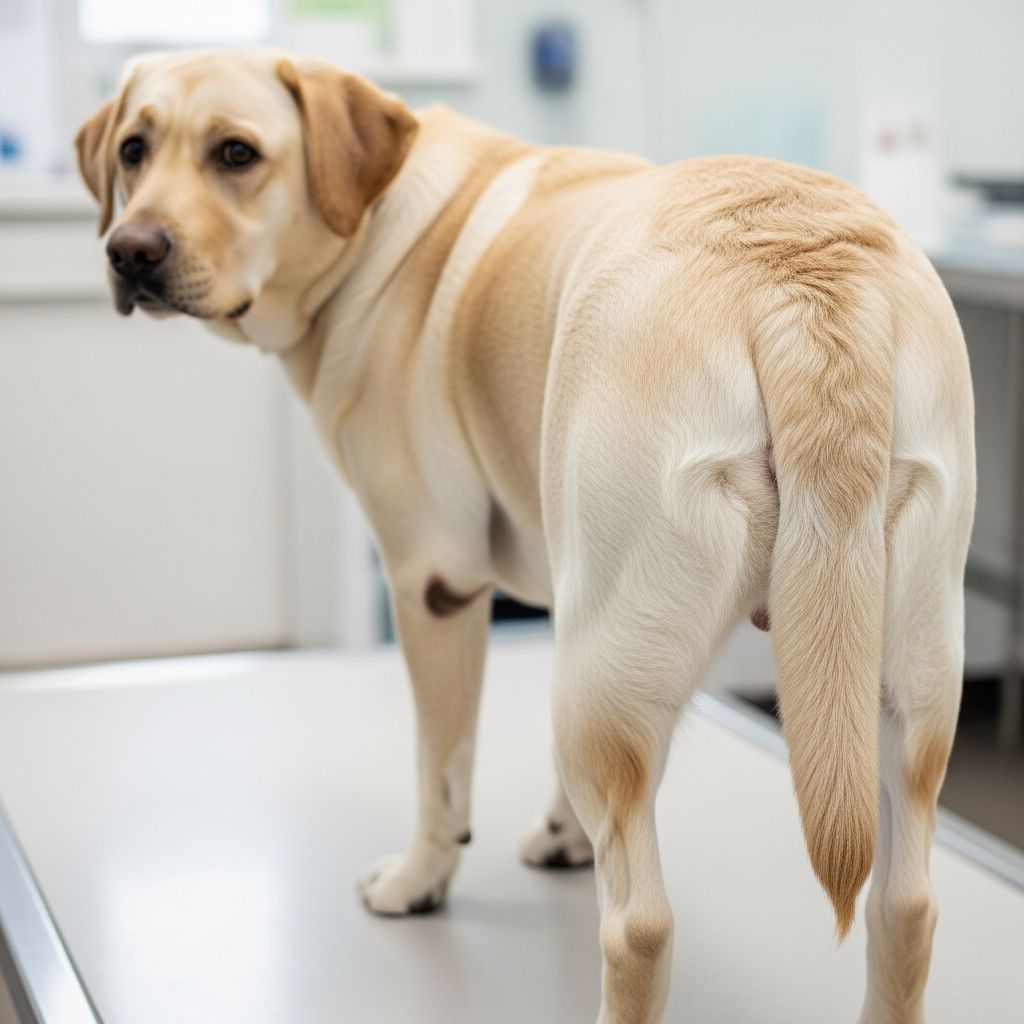
Dog anal glands, small sacs near the anus, produce a distinctive fluid for scent marking and communication. When they fail to empty properly, they cause discomfort, leading to issues like impaction or infection that require prompt attention.
The Role of Anal Glands in Canine Biology
Anal glands, or anal sacs, sit at the 4 and 8 o’clock positions around a dog’s anus, embedded in the sphincter muscle. These pea-sized structures secrete a thick, odorous liquid ranging from yellow-brown to gray, released naturally during defecation as firm stool compresses them. This fluid serves as a unique identifier, conveying information about a dog’s sex, health, age, and territory to others through sniffing.
In healthy dogs, glands empty effortlessly with each bowel movement, preventing buildup. Stress or fear can also trigger involuntary expression, explaining sudden fishy smells in scared pets. Variations exist by breed size: larger dogs often have stronger sphincter muscles aiding expression, while smaller breeds may struggle due to weaker tone or anatomical positioning.
Why Anal Glands Become Problematic
Problems arise when glands do not empty fully, often from soft stools lacking pressure, obesity weakening muscles, or conformational issues like short legs hindering posture. Thickened secretions exacerbate impaction, the most frequent disorder, where fluid accumulates, irritates tissues, and enlarges sacs.
- Impaction: Initial stage with overly viscous fluid blocking ducts.
- Infection: Bacterial entry causes swelling and pus.
- Abscess: Severe inflammation leading to rupture and drainage.
Small breeds like Chihuahuas, Dachshunds, and Beagles face higher risks due to gland size relative to body and muscle differences. Sedentary lifestyles or low-fiber diets soften stools, compounding vulnerability across all sizes.
Recognizing Symptoms of Anal Gland Distress
Early detection prevents escalation. Watch for behavioral and physical cues indicating trouble.
| Symptom | Description | Severity Level |
|---|---|---|
| Scooting | Dragging rear on floors or carpets for relief | Mild to Moderate |
| Excessive Licking/Biting | Frequent attention to hindquarters | Mild |
| Fishy Odor | Strong smell from anal area | Moderate |
| Straining/Discomfort | Pain during defecation or reluctance to sit | Moderate to Severe |
| Visible Discharge | Bloody, pus-like fluid or swelling | Severe |
Advanced cases show hair loss, wounds from licking, or lethargy. Giant breeds may mask issues longer due to robust builds, but small dogs exhibit signs dramatically.
Understanding Breed-Specific Vulnerabilities
Anatomical traits influence susceptibility. Toy breeds have diminutive sacs prone to incomplete emptying from minimal stool pressure. Hounds like Beagles often need regular checks due to ventral sac positioning. Brachycephalic dogs or those with tight tails face access challenges during expression.
Large, athletic breeds benefit from firm stools and strong muscles, rarely needing intervention unless overweight. Tail docking or hip dysplasia disrupts posture, indirectly affecting glands.
Home Care and Preventive Measures
Proactive steps promote natural expression without frequent vet visits.
- Dietary Fiber Boost: Add pumpkin, sweet potatoes, or high-fiber kibble to firm stools.
- Exercise Regimen: Daily walks build muscle tone and aid defecation posture.
- Weight Control: Obesity softens stools and weakens sphincters; maintain lean body condition.
- Hydration: Ensure ample water for stool consistency.
Monitor posture: encourage full squats. Avoid over-expression, as it can disrupt natural function.
Professional Treatments for Anal Gland Issues
Veterinarians diagnose via physical exam, sometimes ultrasound for abscesses. Treatments escalate by severity.
- Manual Expression: Gentle squeezing releases contents; digital or external methods used.
- Flushing: For infections, saline cleanses ducts.
- Medications: Antibiotics for bacteria, pain relievers, stool softeners if needed.
- Surgery: Rare, for chronic cases; options include sac removal or duct marsupialization.
Frequency varies: preventive monthly for prone breeds, on-demand otherwise. Post-rupture care involves hot compresses and e-collars to prevent licking.
Diet’s Impact on Gland Health
Fiber is pivotal. Soluble fibers like psyllium absorb water, bulking stools; insoluble types add bulk. Aim for 2-5% fiber in diet. Examples:
- Canned pumpkin (1-4 tbsp daily, by size).
- Green beans or carrots as low-cal fillers.
- Commercial high-fiber foods vetted by vets.
Sudden changes risk diarrhea; introduce gradually. Probiotics support gut health, indirectly benefiting glands.
When to Seek Immediate Veterinary Help
Rush to the vet for fever, excessive bleeding, refusal to eat, or burst abscesses with draining pus. Untreated issues lead to sepsis or chronic pain. Routine checkups catch subclinical problems early.
FAQs on Dog Anal Glands
Do all dogs need anal gland expression?
No, most express naturally. Only intervene if symptomatic.
Can diet alone fix anal gland problems?
Often yes for mild cases via firmer stools, but severe ones need vet care.
Is anal gland surgery common?
Rare; reserved for recurrent abscesses unresponsive to other treatments.
How often should glands be checked?
Depends on breed and history; consult your vet for a schedule.
Why do small dogs have more issues?
Weaker muscles and smaller glands relative to stool size hinder emptying.
By addressing anal gland health holistically, owners ensure comfortable, active lives for their dogs. Combine observation, diet, and professional input for best outcomes.
References
- Comparative Anal Gland Anatomy in Dogs by Breed and Size — Seaweed for Dogs. 2023. https://seaweedfordogs.com/pages/comparative-anal-gland-anatomy-in-dogs-by-breed-and-size
- Structure and Function of Anal Glands in Dogs — PetPlace.com. 2022-10-15. https://www.petplace.com/article/dogs/pet-health/structure-and-function-of-anal-glands-in-dogs
- Those Glands in the Rear: Everything You Don’t Want to Know (but Should) — Scenthound. 2020-06-05. https://www.scenthound.com/dogblog/2020/6/5/anal-glands-everything-you-dont-want-to-know-but-should
- Anal Glands in Dogs: Everything You Need to Know — American Kennel Club (AKC). 2023. https://www.akc.org/expert-advice/vets-corner/anal-gland-disease-in-dogs/
- Dog Anal Glands: Common Problems, Treatment, and Prevention — PetMD. 2024-01-20. https://www.petmd.com/dog/general-health/dog-anal-glands
Similar Articles








Read full bio of Sneha Tete




