

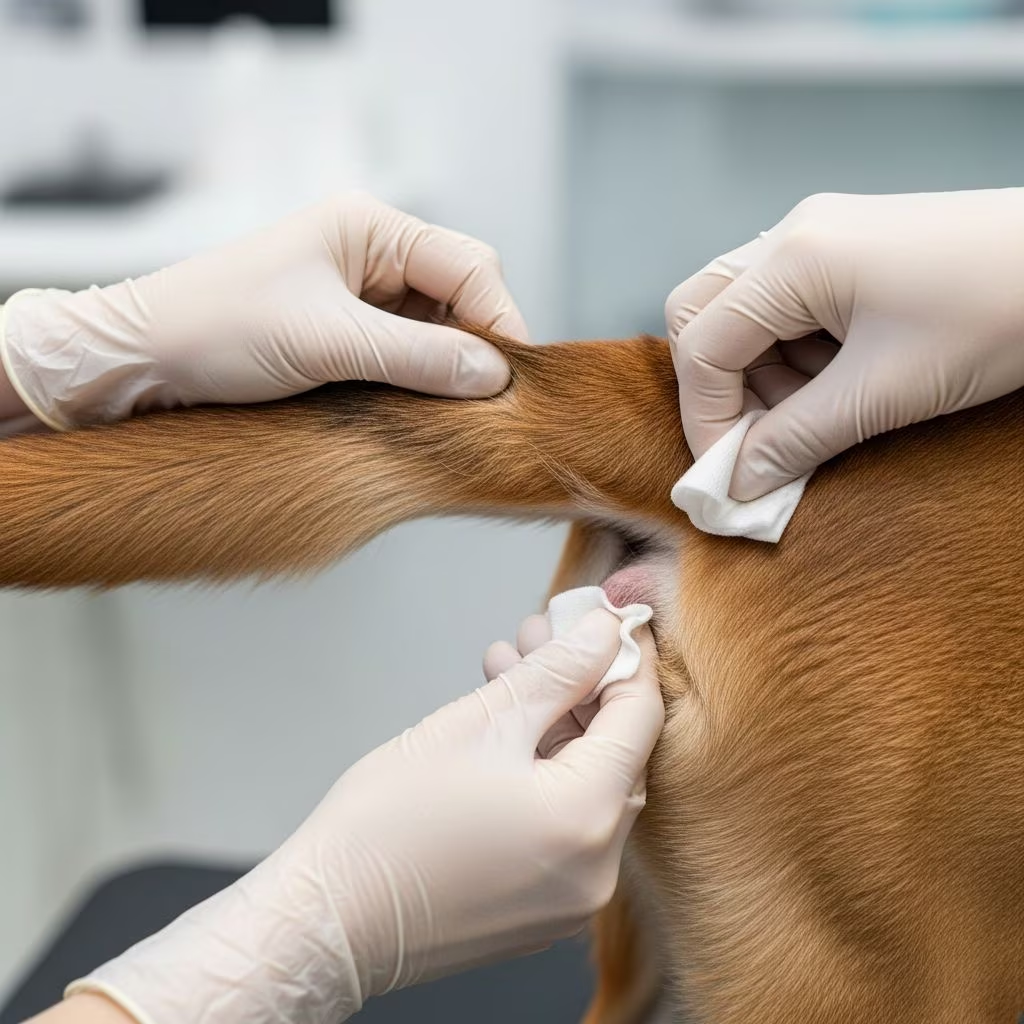
Dogs possess small sacs located near the anus known as anal glands, which play a role in their natural communication and territorial marking. These structures produce a distinctive fluid released during defecation. When functioning properly, they empty without intervention, but disruptions can lead to discomfort and health concerns requiring owner awareness and action.
The Role of Anal Glands in Canine Physiology
Anal glands, also called anal sacs, sit on either side of a dog’s anus, roughly at the 4 and 8 o’clock positions. They secrete a pungent, oily substance unique to each dog, aiding in scent identification among pack members. Normally, firm stool passing through the rectum applies pressure, naturally expressing the glands. Factors like soft stools, obesity, or anatomical variations can hinder this process, leading to buildup.
Understanding this mechanism is crucial for pet owners. Healthy expression prevents accumulation, but certain breeds—such as small dogs like Chihuahuas or Dachshunds—are predisposed to issues due to gland size relative to body mass. Maintaining optimal weight and diet supports natural function.
Recognizing Symptoms of Anal Gland Distress
Early detection of anal gland problems can prevent escalation. Common indicators include:
- Butt scooting: Dragging the rear on floors or carpets, often multiple times daily.
- Fishy odor: A strong, unpleasant smell emanating from the hindquarters.
- Excessive licking: Persistent attention to the anal area.
- Visible inflammation: Redness, swelling, or lumps around the anus.
- Defecation difficulties: Straining, thin stools, or discomfort during bowel movements.
These signs suggest impaction or infection. If accompanied by pain, blood, or pus, immediate veterinary consultation is essential to rule out abscesses or tumors.
Step-by-Step Guide to Safe Home Expression
While many dogs manage independently, some benefit from occasional manual expression. This should be approached cautiously, ideally after veterinary demonstration. Here’s a structured method:
- Prepare materials: Gather gloves, paper towels, pet-safe wipes, and a helper to restrain the dog gently.
- Position the dog: For small breeds, use a table with a towel; larger dogs can be on the floor. Ensure a stable, easy-to-clean surface.
- Locate the glands: Feel for small bulges at 4 and 8 o’clock positions externally. Wear gloves for hygiene.
- Express externally first: Place thumb outside and forefinger inside the rectum (about 2 cm). Apply gentle, upward pressure in a pinching motion toward the anus center.
- Observe output: Expect brownish, smelly fluid. Repeat for the other side. Stop if painful, bloody, chunky, or no fluid emerges.
- Clean up: Wipe the area thoroughly and reward the dog to associate positively.
Frequency varies; some dogs need it monthly, others rarely. Over-expression can irritate glands, so monitor symptoms.
| Method | Pros | Cons | Best For |
|---|---|---|---|
| External | Less invasive, easier at home | May not fully empty deep impactions | Routine maintenance |
| Internal | More thorough clearance | Requires experience, more discomfort | Stubborn blockages |
Potential Complications from Neglected Glands
Unexpressed glands can progress from impaction—thickened fluid causing swelling—to infection, where pus forms, leading to abscesses. Abscessed glands are hot, painful, and may rupture, creating draining wounds. Chronic cases risk fistula formation or scarring, obstructing ducts further.
Obesity exacerbates issues by softening stools, reducing natural expression pressure. Dietary fiber helps firm stools, promoting health.
Veterinary Interventions for Persistent Problems
If home efforts fail, professional care is vital. Vets assess via physical exam, possibly under sedation for thorough digital palpation. Treatments include:
- Flushing: Irrigation to clear debris under anesthesia.
- Antibiotics: For infections, paired with pain relief.
- Abscess drainage: Lancing swollen areas, followed by cleaning and meds.
Recheck expressions 24-48 hours post-initial treatment ensure complete relief.
When Surgery Becomes the Solution
For recurrent issues unresponsive to conservative measures, anal sacculectomy—surgical removal—offers permanent resolution. Indications include:
- Repeated infections or abscesses.
- Chronic blockages causing pain.
- Neoplasia, like adenocarcinoma.
- Severe scarring.
The procedure involves general anesthesia, precise excision minimizing sphincter damage to avoid incontinence. Post-op care features pain management, antibiotics, stool softeners, and wound monitoring. Recovery typically spans 2-4 weeks, with most dogs regaining full comfort.
Pre-surgical bloodwork and imaging confirm suitability. Success rates are high when performed by experienced surgeons.
Preventive Strategies for Anal Gland Health
Proactive measures reduce risks:
- Diet optimization: High-fiber foods like pumpkin or vet-recommended kibble firm stools.
- Weight control: Exercise and portion management prevent obesity-linked problems.
- Routine checks: Groomers or vets during visits.
- Hydration and fiber supplements: Ensure consistent bowel health.
Breeds prone to issues benefit from regular monitoring. Pumpkin (1-2 tsp daily) aids many dogs naturally.
FAQs on Dog Anal Glands
Q: How often should I express my dog’s anal glands?
A: Only as needed based on symptoms; most don’t require routine expression. Consult a vet for your dog’s schedule.
Q: Is anal gland expression painful?
A: Mild discomfort is common, but pain signals a problem needing vet attention.
Q: Can cats have anal gland issues?
A: Yes, though less common; signs include excessive grooming or defecation pain.
Q: What if nothing comes out when expressing?
A: Stop and see a vet; it may indicate impaction or blockage.
Q: Does surgery affect bowel control?
A: Rare with skilled surgery; sphincters are preserved.
Long-Term Management and Monitoring
Post-treatment, observe for recurrence. Annual vet exams catch early signs. Owners of affected dogs should track stool quality, weight, and behaviors. Integrating pumpkin or fiber additives prevents many issues. For surgical cases, follow-up ensures healing without complications.
Education empowers owners. Recognizing subtle changes—like odor shifts or licking—enables timely intervention, enhancing quality of life.
References
- How to Express a Dog’s Anal Glands — PetMD. 2023. https://www.petmd.com/dog/general-health/how-to-express-dog-anal-glands
- Anal Gland Expression — Creekside Veterinary Clinic. 2023. https://www.vetcarecreekside.com/anal-gland-expression
- Understanding Anal Gland Surgery at East Hill Animal Hospital — Pensacola Pets. 2023. https://pensacolapets.com/understanding-anal-gland-surgery-at-east-hill-animal-hospital/
- Anal Sac Removal Surgery: What It Is and When It’s Necessary — Naz Pet Emergency. 2023. https://nazpetemergency.com/anal-sac-removal-surgery-what-it-is-and-when-its-necessary-for-your-pet/
- Anal Sac Expression — CVS Vets. 2023. https://www.cvsvets.com/our-services/anal-sac-expression
- Anal Gland Conditions — Animal Surgical Center of Michigan. 2023. https://www.animalsurgicalcenter.com/anal-gland-conditions
- Anal Gland Expression of a Dog — YouTube (Kara Erdman, CVT). 2023. https://www.youtube.com/watch?v=krId3XJCV_c



