

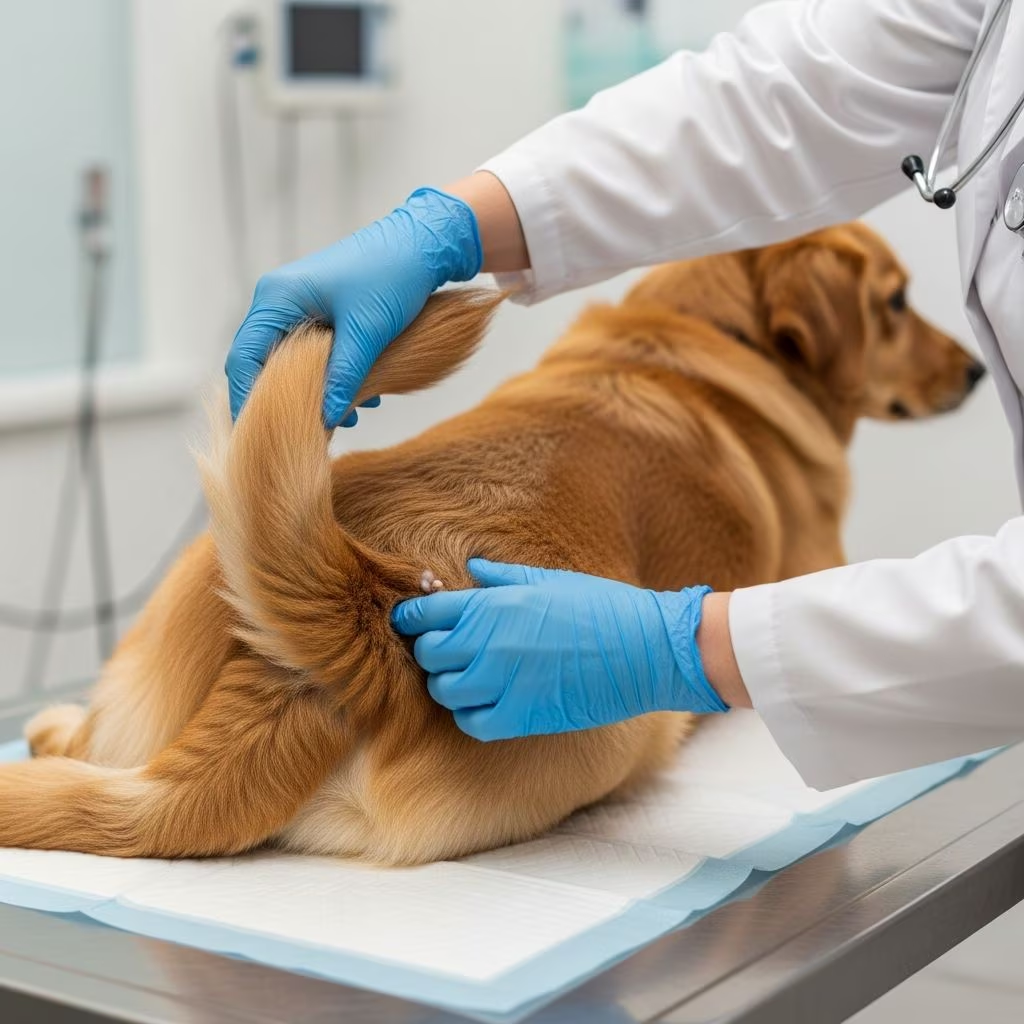
Canine anal glands, also known as anal sacs, play a key role in a dog’s natural communication and hygiene. Located on either side of the anus, these small pouches produce a pungent fluid that dogs typically release during bowel movements to mark territory. When functioning properly, they empty without intervention, but blockages or imbalances can lead to discomfort and health complications. Understanding their role empowers owners to monitor and maintain their pet’s well-being effectively.
The Role of Anal Glands in Canine Health
Anal glands are scent organs positioned at approximately the 4 and 8 o’clock positions around a dog’s anus. They secrete a strong-smelling, oily substance that helps dogs identify each other and claim territory. Normally, the pressure from firm feces during defecation squeezes these sacs, expelling the fluid naturally. This process is instinctual and supports social behaviors among dogs.
Factors like soft stools, obesity, or anatomical variations can prevent proper emptying. Small breeds and overweight dogs often face more challenges due to weaker muscle tone or inconsistent stool firmness, making gland expression difficult. Maintaining a balanced diet with fiber-rich foods promotes firmer stools, aiding natural expression.
Recognizing Signs of Anal Gland Problems
Dogs with gland issues display clear behavioral and physical cues. Watch for these indicators that suggest the sacs are full, impacted, or infected:
- Butt scooting: Dragging the rear on floors or carpets to relieve pressure.
- Fishy odor: A persistent, unpleasant smell emanating from the hindquarters.
- Excessive licking: Frequent attention to the anal area.
- Swelling or redness: Visible inflammation around the anus.
- Straining during defecation: Difficulty or pain while pooping.
These symptoms arise when secretions thicken and accumulate, causing pain and potential infection. Untreated impaction can progress to abscesses, where pus builds up, leading to rupture and open wounds. Early detection prevents escalation.
Step-by-Step Guide to Home Anal Gland Expression
Many owners can safely express their dog’s anal glands at home after observing a professional demonstration. Always consult a vet first, especially if inflammation or pain is present. Prepare with gloves, paper towels, and a willing helper.
- Position the dog: For small breeds, use a table with a towel; larger dogs work on the floor. Have someone restrain gently but firmly.
- Locate the glands: Feel for small bulges at 4 and 8 o’clock externally. Lift the tail.
- Express externally: Place thumb outside and forefinger inside (gloved). Pinch gently upward and inward toward the anus center.
- Observe discharge: Expect brown, liquidy fluid. Thick, chunky, bloody, or pus-like material signals a vet visit.
- Clean up: Wipe the area and praise your dog for cooperation.
Internal expression may empty more completely but requires practice. Stop if the dog yelps or nothing releases—professional intervention is needed.
| Method | Best For | Pros | Cons |
|---|---|---|---|
| External | Home use, beginners | Less invasive, safer for novices | May not fully empty deep blockages |
| Internal | Complete emptying | More thorough | Higher discomfort risk |
Preventing Anal Gland Issues Through Lifestyle
Proactive measures reduce recurrence. Key strategies include:
- Dietary fiber: Add pumpkin or high-fiber kibble to firm stools.
- Exercise: Daily walks build muscle tone for better natural expression.
- Weight management: Keep pets lean to avoid pressure on glands.
- Regular checks: Monitor during grooming sessions.
Pumpkin puree (plain, not pie filling) at one teaspoon per 10 pounds body weight daily supports stool consistency without laxative effects. Hydration and omega-3 supplements may also soothe inflammation.
Veterinary Interventions for Persistent Problems
If home efforts fail, vets offer advanced care. Routine expression by technicians costs $25–$50 and includes assessment. For chronic cases:
Medications: Antibiotics for infections, flushing with antiseptics.
Anal Sacculectomy: Surgical removal of problematic glands under anesthesia. The vet clips the area, expresses and flushes sacs, then dissects them carefully from sphincters to avoid incontinence. Drains manage drainage in abscess cases. Unilateral removal (one side) minimizes risks. Success rates are high for impaction relief, though rare incontinence can occur with extensive procedures.
Post-surgery, monitor for healing; most dogs recover fully with pain management.
Risks and When to Seek Immediate Help
Improper expression can worsen issues—never let untrained groomers attempt it. Call a vet if:
- Red, swollen anus.
- Pain during touch or expression.
- Blood, pus, or no discharge despite fullness.
- Open wounds or abscess rupture.
- Persistent straining.
These signal infection, blockage, or rare tumors needing diagnostics like cytology.
FAQs on Dog Anal Gland Care
Q: Do all dogs need regular expression?
A: No, most empty naturally. Only intervene for symptoms.
Q: Is home expression safe for puppies?
A: Wait until 6 months; consult vet first.
Q: What if my dog hates it?
A: Use treats, sedation if vet-recommended, or professional service.
Q: Can diet alone fix chronic issues?
A: It helps prevention but not severe impactions—vet care required.
Q: How often should I check glands?
A: Monthly visually; express only as needed.
Long-Term Management for Happy, Healthy Dogs
Integrating checks into routines ensures comfort. Track symptoms in a journal to spot patterns. Collaborate with vets for tailored plans, especially for breeds prone to issues like Chihuahuas or Dachshunds. With diligence, anal gland woes become manageable, letting your dog focus on play, not pain.
References
- Anal Glands (Anal Sacs) – including Anal Sacculectomy — Vetwest. 2023. https://www.vetwest.com.au/pet-library/anal-glands-anal-sacs-including-anal-sacculectomy/
- How to Express a Dog’s Anal Glands — PetMD. 2024-05-15. https://www.petmd.com/dog/general-health/how-to-express-dog-anal-glands
- Anal Sacculectomy in Dogs — WagWalking. 2023. https://wagwalking.com/treatment/anal-sacculectomy
- Anal Gland Expression — Creekside Veterinary Clinic. 2024. https://www.vetcarecreekside.com/anal-gland-expression
- Anal Gland Expression of a Dog — YouTube (Kara Erdman, CVT). 2022-10-20. https://www.youtube.com/watch?v=krId3XJCV_c



