

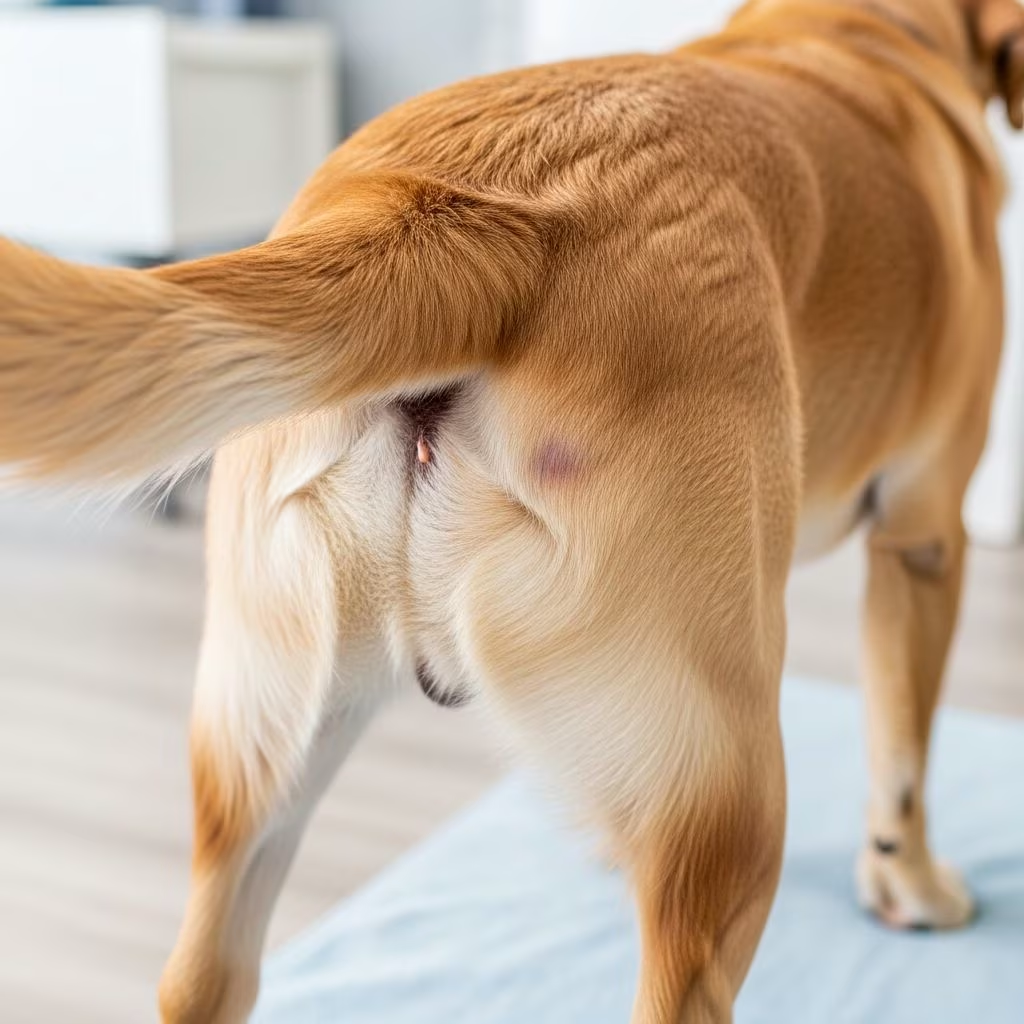
Canine anal glands, small sacs near the anus, can leak fluid due to impaction, infection, or poor natural expression, leading to discomfort and noticeable odors in dogs.
The Basics of Canine Anal Glands
Anal glands, also known as anal sacs, are paired structures positioned at approximately the 4 and 8 o’clock positions around a dog’s anus. These pea-sized sacs produce a thick, oily, foul-smelling secretion that serves primarily as a scent marker for territorial communication among dogs.
During normal defecation, firm stool passing through the rectum applies pressure to these sacs, expressing a small amount of fluid onto the feces. This natural process allows dogs to leave their unique scent signature, which other dogs detect by sniffing. In healthy dogs, this mechanism functions seamlessly, preventing buildup and maintaining comfort.
The glands connect to the anus via narrow ducts lined with sebaceous cells that generate the pungent liquid. Variations in gland size, duct diameter, and surrounding muscle tone occur across breeds, influencing susceptibility to problems. Larger breeds often have stronger sphincter muscles that aid expression, while smaller dogs may struggle due to weaker tone or anatomical quirks.
Why Do Anal Glands Leak in Dogs?
Leakage happens when glands fail to empty completely during bowel movements, causing pressure buildup that results in involuntary seepage. Common triggers include soft stools that lack sufficient pressure for expression, leading to gradual fluid accumulation.
Breed-specific anatomy plays a key role; small breeds like Chihuahuas or toy varieties have narrower ducts prone to clogs, while hounds such as Beagles may have ventrally positioned sacs that resist full emptying. Sedentary lifestyles weaken pelvic muscles, exacerbating incomplete expression over time.
Other factors include dietary deficiencies, such as low-fiber intake producing loose stools, allergies causing inflammation, or obesity adding mechanical hindrance. Stress or fear can also prompt sudden, uncontrolled release of gland contents.
Recognizing Symptoms of Anal Gland Issues
Dogs with problematic glands exhibit clear behavioral and physical signs. The most frequent is scooting, where the dog drags its rear across floors or carpets to relieve irritation from swollen sacs.
- Excessive licking or biting at the hindquarters
- Fishy or foul odor emanating from the rear
- Visible discharge, often brownish or bloody, on fur or bedding
- Straining during defecation or reluctance to poop
- Discomfort when sitting, leading to a hunched posture
- Swelling or redness around the anus
Chronic cases may progress to infections, abscesses, or fistulas, marked by pus, fever, or lethargy. Early detection prevents escalation.
Breed Variations and Risk Factors
Anatomical differences heighten risks in certain dogs. Here’s a comparison:
| Breed Size | Typical Traits | Impaction Risk |
|---|---|---|
| Toy/Small | Narrow ducts, weak sphincter tone | High |
| Medium | Moderate sac position variability | Medium |
| Large/Giant | Strong muscles, larger sacs | Low |
Breeds like French Bulldogs with screw tails or brachycephalics face access challenges during expression. Docked tails reduce natural stimulation, though not drastically. Hounds and terriers often top lists for recurrent issues due to posture and stool consistency.
Preventing Anal Gland Problems Naturally
Proactive management focuses on diet, exercise, and monitoring. High-fiber foods firm stools, enhancing expression pressure. Ingredients like pumpkin, sweet potatoes, or psyllium husk add bulk without excess calories.
Daily walks build muscle tone and promote regular, firm bowel movements. Weight control prevents fat from impeding gland function. Hydration supports healthy digestion.
For at-risk breeds, routine veterinary checks catch issues early. Avoid over-expression, as it can stretch ducts and worsen problems long-term.
Professional Treatments for Leaking Glands
Veterinarians perform manual expression by positioning the dog, gloving up, and applying firm pressure at 4 and 8 o’clock to expel contents. This relieves immediate discomfort but isn’t a cure-all.
For infections, antibiotics and flushing clear blockages. Abscesses may require lancing and drainage. Severe recurrent cases might involve dietary trials, anti-inflammatories, or surgical options like sac removal.
Home expression suits some owners after training, but improper technique risks injury. Always consult a vet first.
Dietary Strategies for Gland Health
A balanced diet optimizes stool quality. Key components:
- Fiber sources: 2-5% of diet from veggies or supplements
- Probiotics: Support gut flora for consistent stools
- Omega-3s: Reduce inflammation in ducts
- Avoid allergens: Common in grains or proteins triggering loose stools
Transition slowly to new foods over 7-10 days to prevent diarrhea.
When to Visit the Vet Urgently
Seek immediate care if leakage accompanies swelling, blood, pain yelps, or appetite loss. These signal abscesses or ruptures needing prompt intervention to avoid sepsis.
Routine visits every 6-12 months for high-risk dogs ensure proactive care.
FAQs on Dog Anal Glands
What causes the fishy smell from my dog’s butt?
The odor stems from built-up anal gland fluid leaking out, often due to impaction.
Can I express my dog’s glands at home?
Possible with training, but vets recommend professional handling to avoid trauma.
Is anal gland surgery common?
Rare, reserved for chronic, unresponsive cases.
How often should glands be checked?
Depends on breed; small dogs may need monthly, others less.
Does diet really help with anal glands?
Yes, fiber-rich diets promote firm stools for natural expression.
Understanding and addressing anal gland leakage improves your dog’s quality of life significantly. Consistent care prevents most complications.
References
- Comparative Anal Gland Anatomy in Dogs by Breed and Size — Seaweed for Dogs. 2023. https://seaweedfordogs.com/en-us/pages/comparative-anal-gland-anatomy-in-dogs-by-breed-and-size
- Anal Glands — Berlin Animal Hospital. 2024. https://www.berlinah.com/blog/anal-glands/
- Those Glands in the Rear: Everything You Don’t Want to Know (but Should) — Scenthound. 2020-06-05. https://www.scenthound.com/dogblog/2020/6/5/anal-glands-everything-you-dont-want-to-know-but-should
- It’s All About Those Anal Glands — Warren House Vets. 2024. https://warrenhousevets.com/its-all-about-those-anal-glands/
- Dog Anal Glands: Common Problems, Treatment, and Prevention — PetMD. 2024. https://www.petmd.com/dog/general-health/dog-anal-glands
- Anal Sac Diseases — Cornell University College of Veterinary Medicine. 2024. https://www.vet.cornell.edu/departments-centers-and-institutes/riney-canine-health-center/canine-health-information/anal-sac-diseases



