
Decoding Dog Alone-Time Woes: Anxiety or Play?
Learn to spot if your dog's destructive habits signal true separation anxiety or just playful mischief, with expert tips to help.
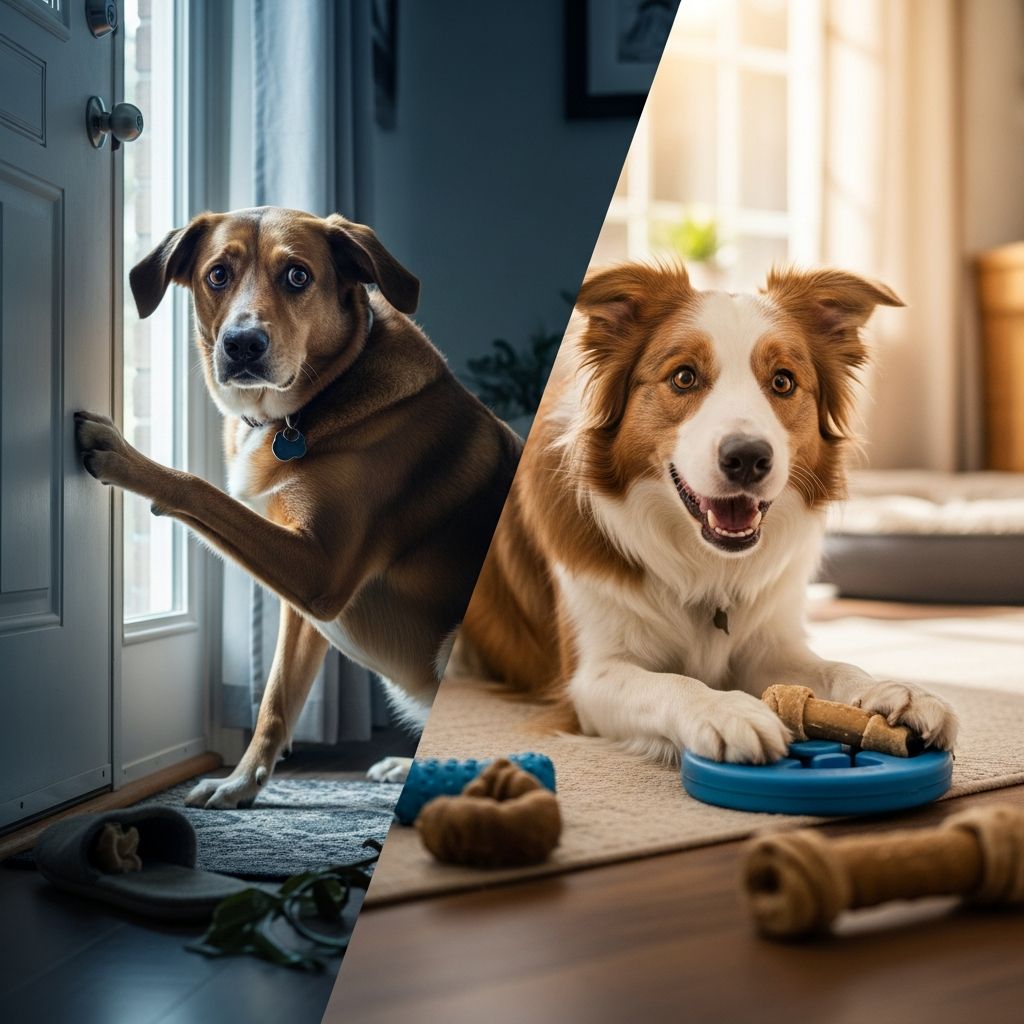
Many dog owners return home to find chewed furniture, scattered belongings, or soiled floors, sparking worry about separation anxiety. However, these behaviors might simply reflect boredom or high energy rather than distress from being alone. Understanding the difference empowers owners to address the root issue effectively.
Spotting the Signs of True Separation Anxiety
Separation anxiety in dogs manifests as intense distress when separated from their primary caregiver. Unlike occasional mischief, it involves persistent, extreme reactions that occur specifically during absences.
- Vocal distress: Non-stop barking, howling, or whining that starts soon after departure and continues until return.
- Escape attempts: Scratching or chewing at doors, windows, or crates, often leading to self-injury like broken nails or cut paws.
- House soiling: Urination or defecation by otherwise trained dogs, typically near exit points.
- Excessive drooling or panting: Large puddles of saliva or rapid breathing signaling panic.
- Destructive focus: Damage targeted at owner-scented items or barriers, not random objects.
Pre-departure cues like pacing, trembling, or clinginess further indicate anxiety building as owners grab keys or put on shoes.
Beyond Anxiety: Common Misdiagnosed Behaviors
Not every torn sock means emotional turmoil. Dogs explore the world with their mouths, and alone time can turn into a playground for curious pups.
| Behavior | Anxiety Indicator | Normal/Alternative Cause |
|---|---|---|
| Chewing objects | Targets doors/windows or owner items intensely | Boredom, teething, or play with available toys |
| Barking | Persistent, panic-driven upon leaving | Alerting to noises or habitual response |
| House accidents | Immediate after departure, near exits | Incomplete training or medical issues like UTIs |
| Pacing | Agitated with trembling/salivating | High energy needing exercise |
Observe patterns: Does destruction happen only when alone, or also with supervision? Normal puppies mouth everything during teething phases, while seniors might chew due to cognitive decline.
Root Causes of Separation Distress
Several life changes can trigger anxiety, making dogs overly reliant on their humans.
- Major transitions: Moving, new family members, or shelter adoption disrupts security.
- Schedule shifts: Sudden long work hours after constant companionship heighten fear of abandonment.
- Trauma history: Past neglect or frequent rehoming fosters attachment issues.
- Breed predispositions: Herding or velcro breeds like Labs or Shepherds may bond intensely.
Unlike boredom, which affects active dogs left without stimulation, anxiety stems from perceived threat in solitude.
Practical Steps to Differentiate and Diagnose
Video your dog during absences to capture real-time behavior. Note timing: Anxiety peaks within 30 minutes of leaving, unlike boredom building over hours.
- Rule out medical causes with a vet visit—pain or thyroid issues mimic symptoms.
- Test short separations: Mild reactions suggest normal adjustment; escalation points to anxiety.
- Assess overall demeanor: Relaxed when alone with toys? Likely not anxious.
Consult a veterinary behaviorist if behaviors persist, as self-diagnosis risks mislabeling.
Building Independence: Training for Calm Alone Time
Desensitization counters anxiety by gradually increasing tolerance to solitude.
- Pre-departure routine: Perform leaving cues (shoes on, keys jingle) without exiting, rewarding calm.
- Short absences: Start with seconds, building to hours, using high-value treats in puzzles.
- Enrichment zone: Create a safe space with Kongs, sniff mats, and background noise like calming music.
- Daily exercise: 30-60 minutes of walks or fetch drains excess energy.
- Mental stimulation: Training sessions or scent games tire the mind.
- Consistent schedule: Predictable routines reduce uncertainty.
- Companion options: Another pet or daycare for social dogs.
- Behaviorists: Certified experts design tailored plans.
- Veterinary options: Anti-anxiety meds like fluoxetine bridge training gaps, per vet prescription.
- Practice alone time daily in short bursts.
- Feed meals in crates or behind baby gates.
- Avoid over-reliance on constant attention.
- Separation Anxiety In Dogs (the symptoms and how to help your dog) — Animal Emergency Service. Accessed 2026. https://animalemergencyservice.com.au/blog/separation-anxiety-in-dogs/
- Separation Anxiety in Dogs: Causes, Signs, and Solutions — Best Friends Animal Society. Accessed 2026. https://bestfriends.org/pet-care-resources/separation-anxiety-dogs-causes-signs-and-solutions
- Separation Anxiety — ASPCA. Accessed 2026. https://www.aspca.org/pet-care/dog-care/common-dog-behavior-issues/separation-anxiety
- Calm a dog with separation anxiety symptoms — Humane World. Accessed 2026. https://www.humaneworld.org/en/resources/calm-dog-separation-anxiety
- Separation Anxiety in Dogs — PetMD. Accessed 2026. https://www.petmd.com/dog/conditions/behavioral/separation-anxiety-dogs
- Separation Anxiety in Dogs: Signs, Causes, and Prevention — American Kennel Club. Accessed 2026. https://www.akc.org/expert-advice/training/dog-separation-anxiety/
- Please Don’t Go: Separation Anxiety in Dogs — Care Center Vets. Accessed 2026. https://carecentervets.com/please-dont-go-separation-anxiety-dogs/
- Separation Anxiety in Dogs — VCA Animal Hospitals. Accessed 2026. https://vcahospitals.com/know-your-pet/separation-anxiety-in-dogs
Avoid punishment—it worsens fear. Instead, ignore excited greetings to prevent reinforcement.
Lifestyle Adjustments for Lasting Relief
Holistic changes support training success.
Progress varies; some improve in weeks, others need months.
When to Consider Professional Help
Severe cases with self-harm or constant vocalizing warrant intervention.
Combining therapy with meds yields 70-90% success rates in studies.
FAQs: Common Questions on Dog Alone-Time Issues
Is crate training effective for anxious dogs?
Not always; it can heighten panic if viewed as confinement. Use as a positive den alternative.
Can puppies outgrow separation issues?
Many do with proactive training, preventing escalation into adulthood.
What if my dog only chews my socks?
Often scent preference or boredom—provide alternatives before assuming anxiety.
How long does treatment take?
Weeks to months; consistency is key.
Does punishment help?
No—it amplifies stress. Focus on positive reinforcement.
Prevention Tips for New Dog Owners
From day one, foster independence.
Early habits prevent entrenched anxiety.
Distinguishing anxiety from play unlocks targeted solutions, transforming chaotic departures into peaceful ones. Patient, informed approaches build resilient, happy dogs.
References








Read full bio of Sneha Tete




