

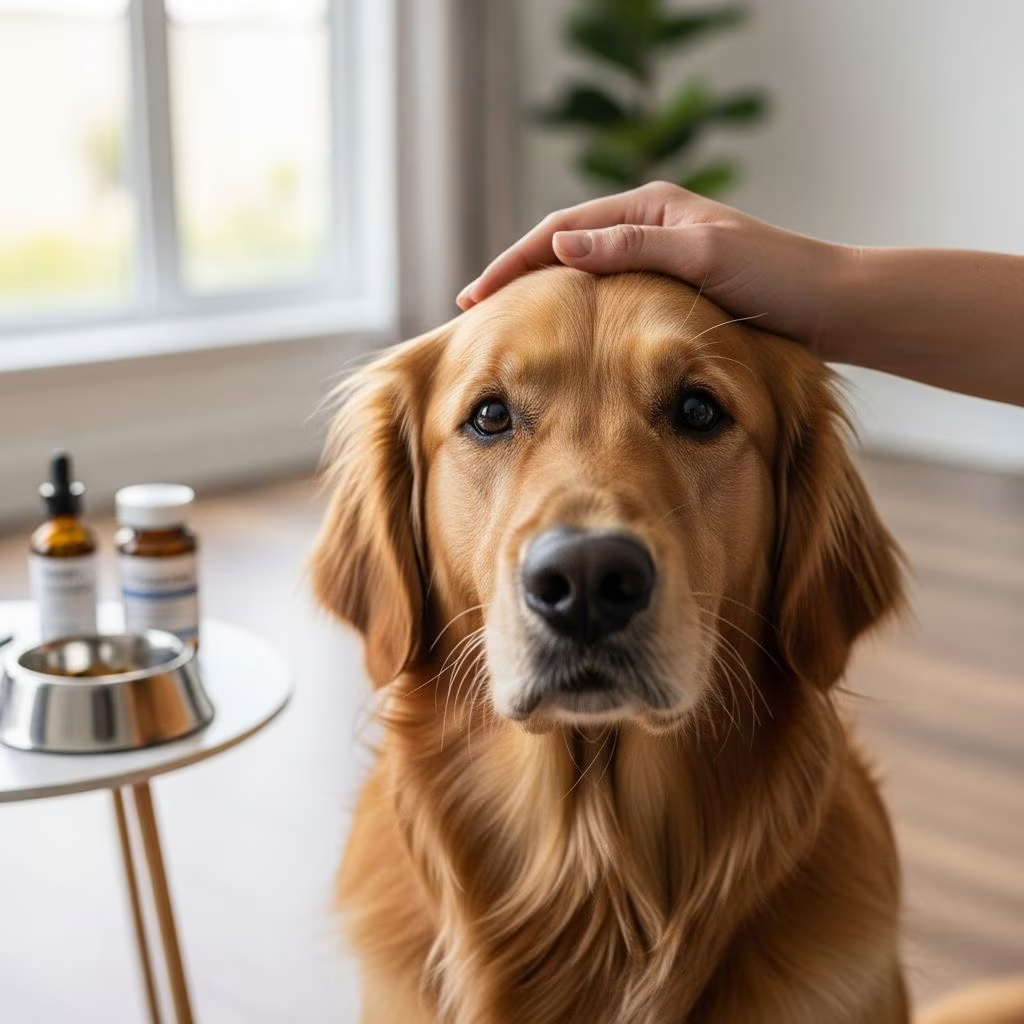
Dog allergies, particularly atopic dermatitis, affect millions of dogs worldwide, causing chronic itching, skin infections, and discomfort. Effective treatments range from topical therapies and medications to immunotherapy and dietary changes, often requiring a multimodal approach tailored by a veterinarian.
Symptoms of Dog Allergies
Allergies in dogs commonly manifest as intense **itching**, especially around the paws, ears, belly, and face. Other signs include redness, hair loss, recurrent skin or ear infections, and excessive licking or chewing. Environmental allergens like pollen, dust mites, and molds trigger atopic dermatitis, while food allergies may cause gastrointestinal issues alongside skin problems.
- Itchy skin (pruritus): The hallmark symptom, leading to self-trauma.
- Red, inflamed skin: Often with hot spots or pyoderma.
- Recurrent infections: Bacterial or yeast overgrowth due to skin barrier disruption.
- Seasonal flares: Worse in spring/summer for pollen allergies.
Types of Dog Allergies
Dogs suffer from three main allergy types: flea allergy dermatitis (FAD), atopic dermatitis (environmental), and food allergies. FAD results from hypersensitivity to flea saliva, atopic from airborne allergens, and food allergies from proteins like beef or dairy.
| Type | Common Triggers | Key Symptoms |
|---|---|---|
| Flea Allergy | Flea saliva | Itching at base of tail, hindquarters |
| Atopic (Environmental) | Pollen, dust mites, molds | Paws, ears, face itching; year-round or seasonal |
| Food Allergy | Beef, chicken, grains, dairy | Chronic itching, ear infections, GI upset |
Diagnosis of Dog Allergies
Diagnosis starts with ruling out fleas, infections, and mange via skin scrapes and cytology. Intradermal skin testing or blood tests identify environmental allergens, while elimination diets (8-12 weeks of novel protein) confirm food allergies. Veterinary dermatologists often handle complex cases.
Conventional Dog Allergy Treatments
Topical Therapies
**Shampoo therapy** with hypoallergenic or medicated shampoos soothes inflamed skin and removes allergens. Weekly bathing with products containing chlorhexidine or essential fatty acids improves owner compliance and reduces itch. Topical sprays like Clorexyderm 4% Foam target localized areas without full baths.
Anti-Inflammatory Medications
Corticosteroids provide rapid relief but are used short-term due to side effects. Antihistamines like chlorpheniramine offer mild relief, enhanced by omega-3 supplements. Modern options include **oclacitinib (Apoquel®)**, a daily oral JAK inhibitor blocking itch signals, and **lokivetmab (Cytopoint®)**, a monthly injection targeting IL-31 itch cytokine. These have fewer side effects and suit long-term use.
- Apoquel: Fast-acting (hours), safe for most dogs over 12 months.
- Cytopoint: Lasts 4-8 weeks, ideal for seasonal allergies.
Antibiotics and Antifungals
Secondary infections require targeted antibiotics (e.g., cephalexin) or antifungals for yeast. Culture and sensitivity testing guides therapy duration, often 3-6 weeks.
Immunotherapy for Dog Allergies
**Hyposensitization** or allergen-specific immunotherapy (ASIT) reprograms the immune system. After allergy testing, custom vaccines are administered via injections (weekly then monthly) or sublingual drops. Success rates: 50-75% see major improvement, reducing medication needs. It’s the only disease-modifying treatment, safe for lifelong use with minimal side effects.
Nextmune protocols use subcutaneous or oral forms, with highest evidence for efficacy in atopic dermatitis.
Nutritional and Dietary Therapies
Hypoallergenic or hydrolyzed protein diets eliminate food allergens. Prescription diets like Hill’s Derm Complete include fatty acids and phytonutrients to support skin barrier and modulate immunity. Omega-3 supplements (EPA/DHA) reduce inflammation synergistically with meds. Probiotics like Purina FortiFlora balance gut flora, aiding immune control.
- Elimination trial: Strict novel protein diet for 8-12 weeks.
- Maintenance: Lifetime avoidance of triggers.
Holistic and Natural Treatments
Holistic approaches suit mild cases or adjunct therapy, focusing on overall wellness. **Omega-3 fatty acids** (fish oil) support skin health. **Probiotics** reduce inflammation via gut-immune axis. **Acupuncture** stimulates points to decrease itch. Herbs like turmeric (curcumin) offer anti-inflammatory benefits, but consult vets to avoid toxicities (e.g., no aloe vera).
For severe symptoms, start with conventional meds, transitioning to holistic for maintenance.
Environmental Management
Minimize exposure: frequent vacuuming, HEPA filters, hypoallergenic bedding, and wiping paws post-walks. Flea preventives are essential year-round for FAD.
- Wash bedding weekly in hot water.
- Use air purifiers for pollen/dust.
- Groom regularly to remove allergens.
Advanced and Emerging Treatments
**Biologic therapies** like monoclonal antibodies (Cytopoint) target specific pathways. Ongoing research explores new JAK inhibitors and gene therapies. Multimodal plans combine therapies for best outcomes.
Frequently Asked Questions (FAQs)
Q: How quickly do dog allergy treatments work?
A: Apoquel acts in 4 hours, Cytopoint in 1 day; immunotherapy takes 3-12 months for full effect.
Q: Can dog allergies be cured?
A: No cure, but immunotherapy modifies disease; 50-75% achieve remission or reduced symptoms.
Q: Are holistic treatments safe for all dogs?
A: Generally yes for mild cases, but severe allergies need conventional first; vet approval essential.
Q: What is the cost of Cytopoint injection?
A: Varies by dog size, typically £50-£100 per shot lasting 4-8 weeks.
Q: How to prevent food allergies in dogs?
A: Early novel protein exposure and probiotics may help; monitor for symptoms.
Working with Your Veterinarian
Partner with your vet for diagnostics, personalized plans, and monitoring. Regular check-ups adjust therapies as allergens change seasonally. Early intervention prevents chronic issues.
References
- Allergies in Dogs — VCA Animal Hospitals. 2023. https://vcahospitals.com/know-your-pet/allergy-general-in-dogs
- Dealing with Allergies in Pets: A Comprehensive Guide — Broadlands Veterinary Hospital. 2024. https://www.broadlandsvet.com/dealing-with-allergies-in-pets-a-comprehensive-guide/
- Holistic Treatments for Dogs with Allergies — PetMD. 2024. https://www.petmd.com/dog/general-health/holistic-treatments-for-dogs-with-allergies
- A Complete Guide to Dog Allergies — Total Vet. 2023. https://total.vet/dog-allergies/
- Pet allergy – Diagnosis & treatment — Mayo Clinic. 2024-01-15. https://www.mayoclinic.org/diseases-conditions/pet-allergy/diagnosis-treatment/drc-20352198
- Pet Owners Guide — Nextmune. 2023. https://go.nextmune.com/hubfs/Pet%20Owners%20Guide.pdf



