

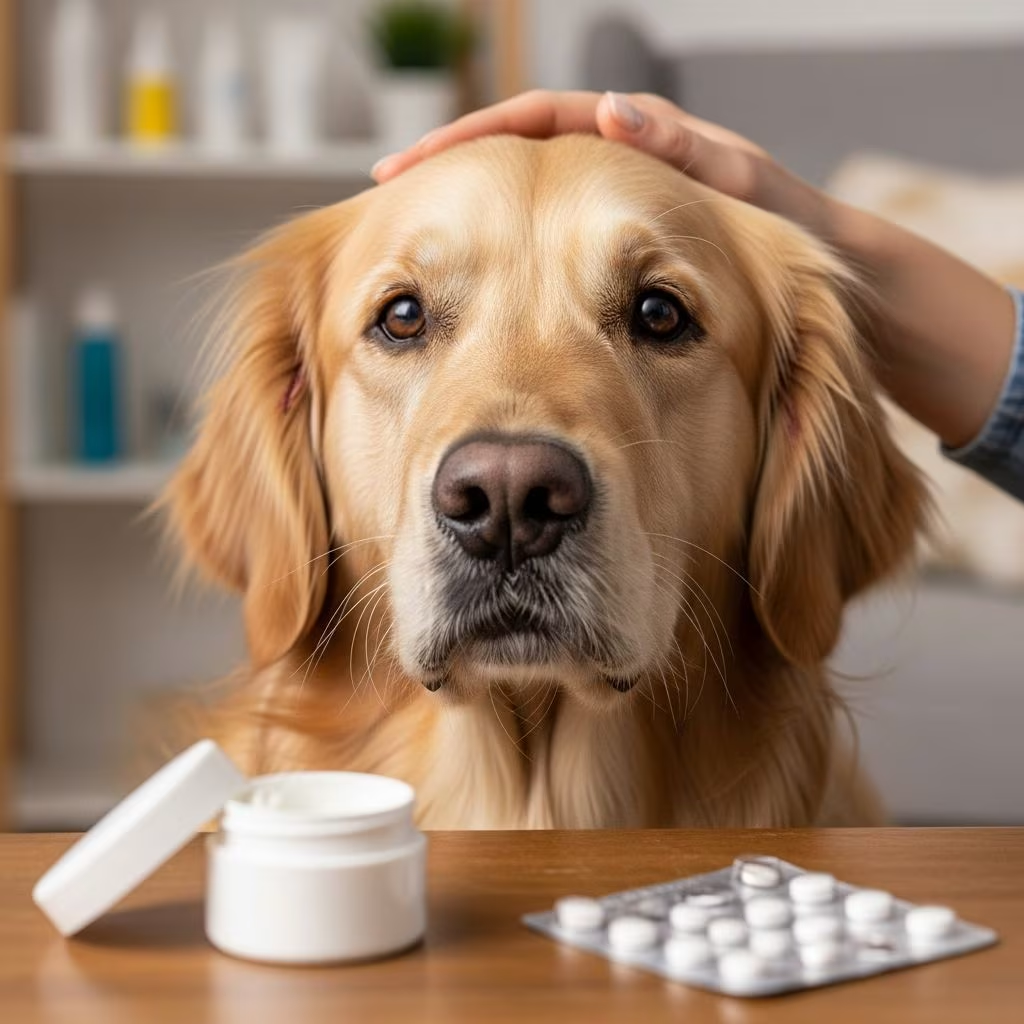
Dog Allergy Treatments: A Comprehensive Guide to Relief
Dog allergies are one of the most common conditions veterinarians encounter, affecting millions of pets worldwide. Whether your dog suffers from seasonal allergies, food sensitivities, contact dermatitis, or flea allergy dermatitis, finding the right treatment is essential for improving their quality of life. This comprehensive guide covers the most effective dog allergy treatments, from prescription medications to supportive care strategies, helping you work with your veterinarian to develop a tailored treatment plan.
Understanding Dog Allergies and Their Types
Before exploring treatment options, it’s important to understand the different types of allergies that affect dogs. Environmental allergies occur when dogs react to pollen, dust mites, or mold spores, typically worsening during specific seasons. Food allergies develop when a dog’s immune system reacts negatively to certain ingredients in their diet. Contact allergies result from direct exposure to irritating substances like certain plants, fabrics, or cleaning products. Flea allergy dermatitis is triggered by flea saliva and can cause severe reactions even from a single bite.
Prescription Allergy Medications for Dogs
Prescription medications remain the cornerstone of treating moderate to severe dog allergies. These medications target the underlying immune response and provide rapid symptom relief. Your veterinarian may recommend several options depending on your dog’s specific condition.
Oclacitinib (Apoquel)
Apoquel is an oral medication that inhibits pathways causing itching and inflammation. This prescription drug works quickly, often providing relief within hours of administration. It’s particularly effective for dogs with intense itching and is frequently recommended as a first-line treatment for moderate to severe allergies.
Lokivetmab (Cytopoint)
Cytopoint is administered as an injection that targets specific proteins involved in the itch response. This long-acting treatment can provide relief for 4 to 8 weeks per injection, making it convenient for long-term allergy management. Many veterinarians prefer Cytopoint for dogs requiring sustained symptom control without daily medication administration.
Cyclosporine (Atopica)
Atopica reduces inflammation and suppresses the immune response for severe allergic reactions. This oral medication works by targeting the root cause of allergic inflammation and may take several weeks to reach full effectiveness. It’s often recommended for dogs that haven’t responded well to other treatments.
Corticosteroids
Corticosteroids such as Prednisone and Dexamethasone reduce inflammation and suppress immune response for severe reactions. These potent anti-inflammatory drugs provide rapid relief but are typically used for short-term management due to potential side effects with long-term use.
Antihistamines for Dogs
Antihistamines block histamine receptors to reduce mild allergy symptoms. Common antihistamines recommended by veterinarians include Diphenhydramine (Benadryl), Cetirizine (Zyrtec), and Chlorpheniramine (Chlortrimeton). These over-the-counter options are often less expensive than prescription medications and may be sufficient for dogs with mild allergic reactions.
Dietary Approaches to Managing Dog Allergies
Elimination Diet Trials
To identify food allergies, veterinarians commonly recommend elimination diet trials. This diagnostic approach involves feeding your dog a novel or hydrolyzed protein diet for 8 to 12 weeks while monitoring for symptom improvement. If symptoms resolve, the original diet is reintroduced to confirm the specific allergen causing the reaction. This method helps pinpoint problematic ingredients so they can be permanently removed from your dog’s diet.
Prescription Hypoallergenic Diets
Specialized diets such as Hill’s Diet Derm Complete contain fatty acids and phytonutrients designed to protect skin and manage the immune system. These prescription diets require veterinary approval but can significantly improve skin health and reduce allergic symptoms over time.
Novel Protein Diets
Novel protein diets feature uncommon protein sources that dogs are less likely to have developed sensitivities to, such as venison, duck, or kangaroo. These diets help eliminate common allergens while providing complete nutrition.
Diagnostic Testing for Allergies
Intradermal Skin Testing
Intradermal skin testing is considered the gold standard for detecting environmental allergens. This procedure involves injecting small amounts of common allergens into your dog’s skin and observing reactions, helping identify specific environmental triggers causing atopic dermatitis. Results typically become apparent within 15 to 20 minutes, guiding treatment decisions.
Serum Allergy Testing
Blood tests can identify specific food and environmental allergens by measuring antibody levels, providing valuable information for targeted treatment planning.
Supportive Care and Complementary Treatments
While prescription medications form the cornerstone of treating dog allergies, incorporating supportive therapies can significantly enhance your dog’s comfort, reduce flare-ups, and promote healthier skin.
Omega-3 Fatty Acid Supplements
Omega-3 fatty acids, particularly EPA and DHA, have natural anti-inflammatory effects. When given consistently, these essential fatty acids improve skin barrier function and reduce itching. Veterinary-specific fish oil supplements are preferred for quality and dosage accuracy. These supplements can work synergistically with antihistamines to enhance symptom relief.
Medicated Baths and Shampoos
Frequent bathing with vet-formulated shampoos helps wash away allergens, soothe inflamed skin, and control secondary infections. Ingredients like oatmeal, chlorhexidine, or miconazole provide specific therapeutic benefits depending on your dog’s needs. Hypoallergenic shampoos are particularly effective for washing out allergens from the coat.
Regular Flea and Tick Prevention
Preventing flea bites is essential for dogs with flea allergy dermatitis. Even one bite can trigger severe reactions in sensitive dogs. Consistent use of veterinarian-recommended preventives like Simparica Trio minimizes allergen exposure and prevents secondary complications.
Acupuncture
Acupuncture is an alternative therapy where tiny needles are placed in various body locations to stimulate the dog’s skin and reduce inflammation. This traditional technique is performed at veterinary hospitals by trained technicians or veterinarians.
Natural Anti-Inflammatory Treatments
Natural anti-inflammatory remedies, though often unproven, are popular with owners of allergic dogs. Options include ginkgo, turmeric, fish oil, ginger, and vitamin C, all of which have anti-inflammatory properties. However, you should consult with your veterinarian before incorporating these into your dog’s diet, especially if your dog is suffering from a food allergy.
Immunotherapy and Advanced Treatment Options
Allergy Shots and Sublingual Immunotherapy
Allergy shots (ASIT) and sublingual immunotherapy desensitize the immune system to specific allergens over time. These treatments involve gradually exposing your dog to small amounts of the allergen to build up tolerance. Immunotherapy has proven efficacy and safety with very few rare side effects and can be given for long periods. The process typically requires repeated doses over weeks or months to achieve maximum effectiveness.
Biologic Therapy
Biologic therapy uses medication derived from living organisms to target specific immune responses. This advanced treatment approach offers a newer option for dogs that haven’t responded adequately to traditional therapies.
Allergy Symptom Management by Type
| Allergy Type | Key Symptoms | Recommended Treatments |
|---|---|---|
| Food Allergies | Chronic licking of paws, itchy ears, red skin, occasional vomiting or diarrhea | Elimination diets, prescription hypoallergenic diets, novel protein diets |
| Contact Allergies | Itchy red patches on paws, belly, or groin after touching irritants | Avoid contact allergens, anti-itch shampoos, topical steroids |
| Environmental Allergies | Itchy symptoms that worsen during pollen-heavy seasons | Apoquel, Cytopoint, antihistamines, environmental allergen control |
| Flea Allergy Dermatitis | Severe itching, crusted skin, patchy hair loss | Simparica Trio or other antiparasitic medications, medicated baths |
| Secondary Infections | Scabs, sores, foul odor, excessive scratching | Clavamox tablets, antifungal creams or shampoos, antimicrobial sprays |
Holistic vs. Traditional Allergy Treatments
Holistic and traditional treatments for dog allergies differ in various ways. Traditional treatments target symptoms of dog allergies and include medications or injections that provide rapid relief. Holistic treatments promote overall health and strengthen the immune system through supplements, special diets, or home remedies.
Both options can provide dogs with allergy relief and reduce overall symptoms. Veterinarians may recommend holistic treatment options for certain dogs depending on their overall health and the severity of their allergies. Holistic treatments work better for milder cases of allergies, whereas traditional therapies are preferred if dogs have moderate to severe allergy symptoms. For example, if a dog has intense itching, significant hair loss, and reddened or infected skin, a traditional allergy option, such as Apoquel or Cytopoint, may be necessary at first. Once the symptoms have reduced, it may be more practical to switch to a holistic option for long-term control of the allergies.
Working with Your Veterinarian
Dog allergies can be frustrating to manage, but you do not have to face them alone. By understanding the causes, working closely with your veterinarian, and following a tailored treatment plan, you can significantly reduce your dog’s discomfort and improve their quality of life. Your veterinarian can help determine which medications, dietary changes, and supportive therapies are most appropriate for your individual dog’s needs.
Frequently Asked Questions About Dog Allergy Treatments
Q: What is the fastest way to relieve my dog’s itching?
A: Prescription medications like Apoquel or Cytopoint provide rapid relief, often working within hours. Your veterinarian can determine which option is best for your dog’s specific situation.
Q: Can I use over-the-counter antihistamines for my dog?
A: Yes, antihistamines such as Diphenhydramine (Benadryl) and Cetirizine (Zyrtec) are available over-the-counter, but you should always consult your veterinarian for proper dosing.
Q: How long does it take for an elimination diet to work?
A: Elimination diets typically require 8 to 12 weeks to see improvements in symptoms. Patience is essential during this diagnostic period to accurately identify food allergens.
Q: Are there natural remedies for dog allergies?
A: Yes, supplements like omega-3 fatty acids, turmeric, ginger, and fish oil have anti-inflammatory properties. However, consult your veterinarian before adding natural remedies to your dog’s regimen.
Q: Can immunotherapy cure my dog’s allergies permanently?
A: Immunotherapy can provide long-term relief by building tolerance to specific allergens. Maintenance shots are typically needed every four weeks for 3 to 5 years or longer.
Q: What should I do if my dog has a flea allergy?
A: The best strategy is consistent use of veterinarian-prescribed flea prevention like Simparica Trio, since even a single flea bite can trigger severe reactions[10].
References
- Vet-Recommended Dog Allergy & Itching Treatments — HardyPaw. January 2026. https://hardypaw.com/blogs/news/vet-recommended-treatments-allergies-itching-dogs
- Dealing with Allergies in Pets: A Comprehensive Guide — Broadlands Veterinary Hospital. https://www.broadlandsvet.com/dealing-with-allergies-in-pets-a-comprehensive-guide/
- Holistic Treatments for Dogs with Allergies: Types and When To Use — PetMD. https://www.petmd.com/dog/general-health/holistic-treatments-for-dogs-with-allergies
- Allergies in Dogs — VCA Animal Hospitals. https://vcahospitals.com/know-your-pet/allergy-general-in-dogs
- A Complete Guide to Dog Allergies: Causes, Treatments and More — Total Vet. https://total.vet/dog-allergies/
- Pet allergy – Diagnosis & treatment — Mayo Clinic. https://www.mayoclinic.org/diseases-conditions/pet-allergy/diagnosis-treatment/drc-20352198
- Pet Owners Guide – Immunotherapy — Nextmune. https://go.nextmune.com/hubfs/Pet%20Owners%20Guide.pdf
- Signs your pet has seasonal allergies — and what you can do to help — Animal Humane Society. https://www.animalhumanesociety.org/resource/signs-your-pet-has-seasonal-allergies-and-what-you-can-do-help
- Allergies in Dogs – Dog Owners — Merck Veterinary Manual. https://www.merckvetmanual.com/dog-owners/skin-disorders-of-dogs/allergies-in-dogs
- Decoding Dog Allergies: Symptoms, Testing, and Treatment — AAHA (American Animal Hospital Association). https://www.aaha.org/resources/decoding-dog-allergies-symptoms-testing-and-treatment/



