
Dog Allergy Relief: Medication Guide
Discover effective medications and strategies to soothe your dog's itchy skin and manage allergies year-round with veterinary-approved options.
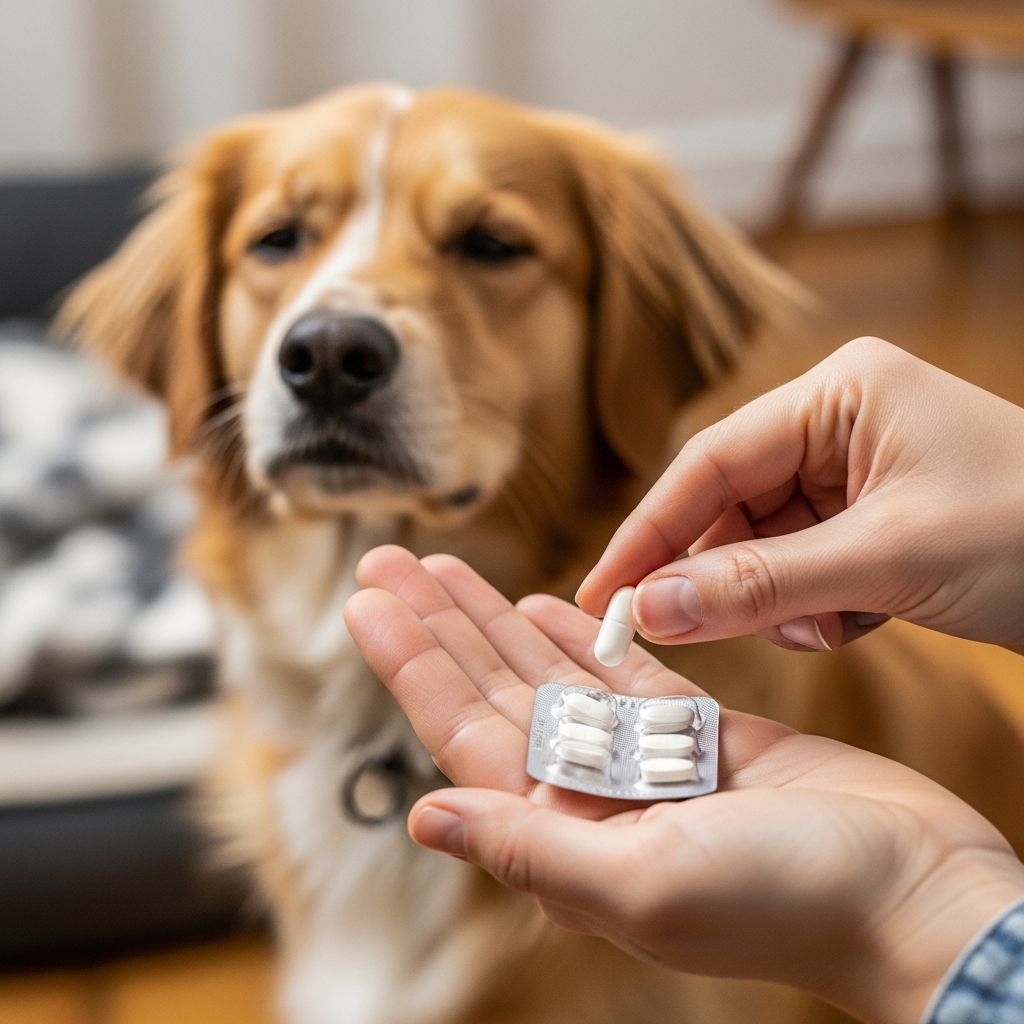
Dogs frequently suffer from allergies that cause intense itching, red skin, and discomfort, often triggered by environmental factors like pollen or food sensitivities. This guide explores a range of medications, from simple over-the-counter options to prescription powerhouses, to help pet owners provide fast and lasting relief.
Understanding Canine Allergies and Their Impact
Allergies in dogs, known as atopic dermatitis, lead to excessive scratching, hot spots, and secondary infections. Common culprits include pollen, dust mites, mold, and fleas. Unlike humans, dogs often show symptoms through skin issues rather than sneezing. Early intervention with appropriate medications prevents chronic problems and improves quality of life.
Symptoms typically worsen seasonally but can persist year-round. Veterinary diagnosis through skin tests or blood work identifies triggers, guiding targeted treatment. Medications address itch signals, inflammation, and immune responses for comprehensive management.
Over-the-Counter Antihistamines: First-Line Defense
Antihistamines block histamine, the chemical sparking itch and swelling during allergic reactions. These are accessible without a prescription and safe for most dogs when dosed correctly.
- Diphenhydramine (Benadryl): Standard dose is 1 mg per pound of body weight, given twice daily. Effective for mild cases but may sedate some dogs.
- Cetirizine (Zyrtec): 0.5 mg per pound once daily. Less sedating and suitable for long-term use in moderate allergies[10].
- Loratadine (Claritin): 0.2 mg per pound daily. Non-drowsy option for active pets.
- Hydroxyzine: Prescription-strength at 1 mg per pound twice daily; potent for nighttime relief.
Effectiveness varies; they help 20-30% of dogs, best for early or mild symptoms. Always check labels for added ingredients like xylitol, toxic to dogs. Consult a vet for dosing, especially in puppies, seniors, or those with health conditions.
Prescription Powerhouses: Apoquel and Cytopoint
For moderate to severe allergies, targeted prescriptions outperform OTC options. These modern drugs focus on itch pathways without broad immune suppression.
Apoquel (Oclacitinib)
Apoquel inhibits JAK enzymes that transmit itch and inflammation signals. Relief starts in 4-24 hours. Initial dosing: twice daily for 14 days, then once daily maintenance. Highly effective for atopic dermatitis, with quick visible improvements in skin and behavior.
Side effects are rare (vomiting, diarrhea in <5% of cases). Not for dogs under 12 months or with serious infections due to mild immune modulation. Recent comparisons show sustained efficacy with consistent dosing.
Cytopoint (Lokivetmab)
This injectable antibody neutralizes IL-31, the primary itch protein. Administered every 4-8 weeks by a vet, it provides month-long relief without daily pills. Ideal for dogs intolerant to oral meds; safe for all ages and breeds.
No systemic side effects reported in most studies. Combine with flea preventives for holistic control.
Corticosteroids: Rapid Relief with Caution
Steroids like prednisone or Depo-Medrol rapidly reduce inflammation and itching, acting within hours. Best for flare-ups or bridging to long-term therapies.
- Pros: Fastest onset; potent for severe cases.
- Cons: Long-term use risks weight gain, thirst, urinary issues, and Cushing’s disease.
Use short-term (5-10 days) under vet supervision. Taper doses to avoid withdrawal.
Immunosuppressants and Immunotherapy
Cyclosporine (Atopica) modifies immune responses for chronic allergies. Oral capsules twice daily initially, then once. Effective but slower (4 weeks) and pricier; side effects include vomiting.
Allergen-specific immunotherapy (ASIT) desensitizes via custom shots or drops over months/years. 60-80% success for environmental allergies; combines well with meds.
Comparing Dog Allergy Treatments
| Treatment | Best For | Onset | Duration | Side Effects | Vet Needed? |
|---|---|---|---|---|---|
| Antihistamines | Mild itch | 1-2 hrs | 4-6 hrs | Drowsiness | Sometimes |
| Apoquel | Moderate-severe | 4-24 hrs | 24 hrs | Rare GI upset | Yes |
| Cytopoint | Chronic itch | 1 day | 4-8 weeks | Minimal | Yes |
| Steroids | Flare-ups | Hours | Varies | Many long-term | Yes |
| Atopica | Long-term | 1-4 weeks | Ongoing | GI issues | Yes |
This table summarizes key options for quick reference.
Holistic Adjuncts and Prevention Strategies
Pair meds with baths using oatmeal shampoos, omega-3 supplements, and hypoallergenic diets. Flea control is essential, as bites exacerbate allergies. Avoid triggers via air purifiers and frequent cleaning.
When to Consult a Veterinarian
Seek professional help if itching persists >48 hours, skin breaks occur, or your dog seems lethargic. Vets tailor plans, rule out infections, and monitor progress. Never self-medicate long-term.
Frequently Asked Questions (FAQs)
Can I give my dog human allergy meds?
Yes, select antihistamines like Benadryl are safe at proper doses, but confirm with a vet.
How quickly does Apoquel work?
Most dogs see relief within 24 hours.
Is Cytopoint safe for puppies?
Yes, approved for dogs over 4 months.
What if antihistamines don’t work?
Upgrade to Apoquel, Cytopoint, or steroids under vet guidance.
Are allergy shots effective for dogs?
ASIT helps 2/3 of cases long-term.
Building a Long-Term Allergy Management Plan
Success combines meds, environment control, and diet. Track symptoms in a journal to refine treatments. Regular vet check-ups ensure adjustments for changing needs.
References
- Allergy Medicine for Dogs: 10 Solutions to Calm Your Dog’s Itch — ToeGrips. 2023. https://toegrips.com/allergy-medicine-for-dogs-2/
- Best Dog Allergy Medication: Effective Treatments for Your Pet — Northcare Animal Hospital. 2024. https://northcareanimalhospital.com/best-dog-allergy-medication-effective-treatments-for-your-pet/
- What Is the Best Allergy Medicine for Dogs? — GoodRx. 2025-03-15. https://www.goodrx.com/pet-health/dog/best-allergy-medicine-for-dogs
- Best medications to manage allergy symptoms in dogs — Vetster. 2024. https://vetster.com/en/wellness/best-medications-to-manage-allergy-symptoms-in-dogs
- Antihistamines for Skin Allergies in Dogs — Fairhaven Veterinary Hospital. 2023. https://fairhavenvet.com/antihistamines-for-skin-allergies-in-dogs/
Similar Articles








Read full bio of Sneha Tete




