

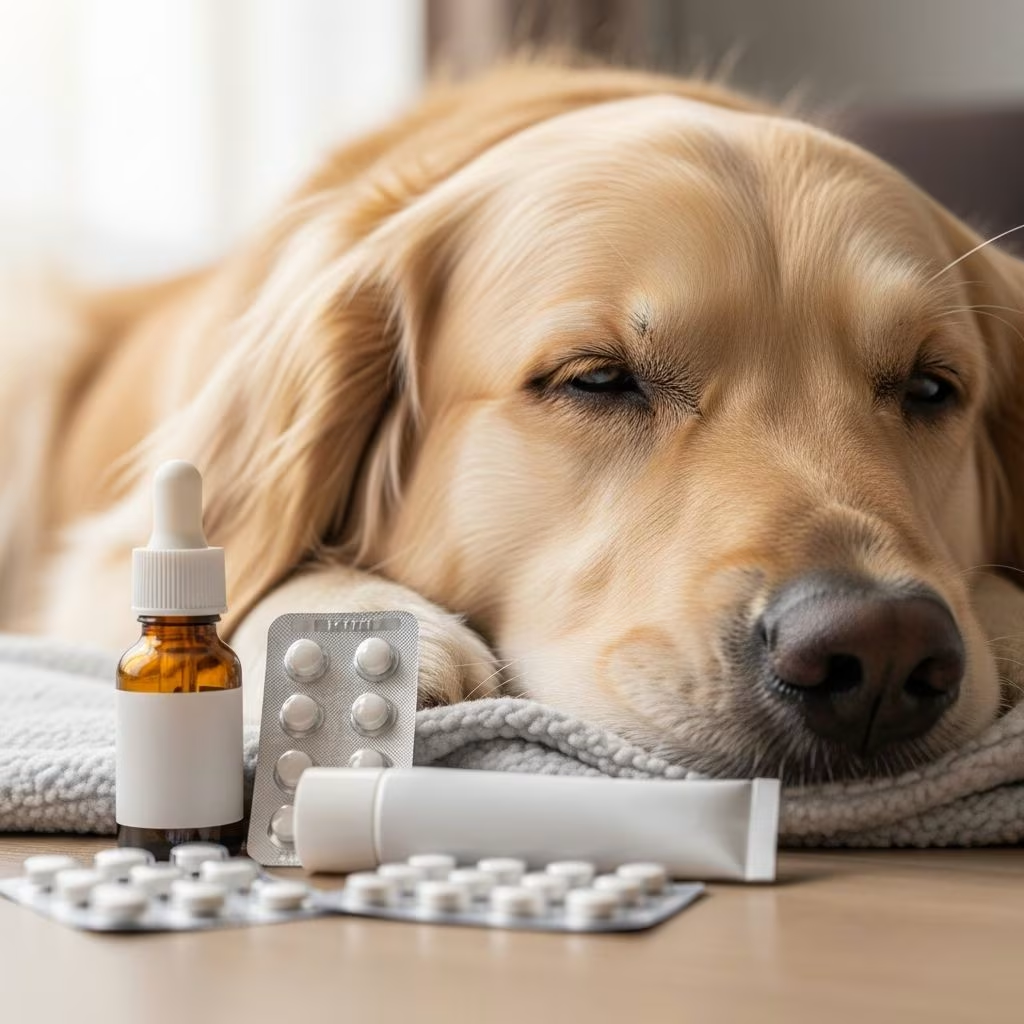
Dog allergies often manifest as relentless itching, red skin, ear infections, and discomfort that disrupts daily life. Environmental allergens like pollen, dust mites, and mold, along with food sensitivities or flea bites, trigger these reactions in many breeds. Effective management requires a tailored approach using medications that target itch signals, inflammation, and immune responses. This guide explores proven options from simple over-the-counter remedies to prescription powerhouses, helping you and your vet select the best path to relief.
Understanding Canine Allergies and Their Impact
Allergies in dogs, particularly atopic dermatitis, affect up to 15-20% of the canine population, leading to chronic skin issues if untreated. Symptoms include excessive scratching, licking paws, rubbing against furniture, and secondary bacterial infections from broken skin. Unlike humans, dogs rarely sneeze; instead, their allergies show on the skin. Identifying the allergen through vet diagnostics like skin scrapings, blood tests, or elimination diets is crucial before starting medications.
Treatment success hinges on combining meds with environmental controls, such as hypoallergenic shampoos, flea preventives, and diet changes. Always consult a veterinarian, as self-medicating can mask underlying issues or cause adverse reactions.
Over-the-Counter Antihistamines: First-Line Defense
Antihistamines block histamine, the chemical sparking itch and swelling during allergic flares. They’re affordable, accessible, and safe for most dogs, succeeding in 20-30% of mild cases, especially early intervention. Common choices include:
- Diphenhydramine (Benadryl): 1 mg per pound of body weight, twice daily. Sedating, ideal for nighttime use[10].
- Cetirizine (Zyrtec): 0.25-0.5 mg per pound, twice daily. Less drowsy, effective for skin allergies.
- Loratadine (Claritin): 0.25 mg per pound, once daily. Non-sedating option.
- Clemastine (Tavist): 0.02 mg per pound, twice daily.
- Hydroxyzine: 1 mg per pound, twice daily (often prescription but OTC in some forms).
Pros: Low cost, minimal side effects like dry mouth or lethargy. Safe with most other treatments.
Cons: Ineffective for severe allergies; only 1/3 of dogs respond fully. Avoid formulations with xylitol, acetaminophen, or decongestants.
Prescription Powerhouses: Apoquel and Beyond
For moderate to severe allergies, vet-prescribed drugs like Apoquel target itch at the source with precision.
Apoquel (Oclacitinib): Rapid Itch Control
Apoquel inhibits itch-signaling enzymes (Janus kinase), providing relief in 4-24 hours. Dogs over 12 months and 6.6 lbs qualify. Start with twice-daily dosing for 14 days, then once daily. Studies show 70-80% efficacy, often with visible improvements in days.
- Compatibility: Safe with Benadryl, Cytopoint, vaccines, and most meds; caution with immunosuppressants.
- Drawbacks: Rare infections or demodex in predisposed dogs; not for breeding or immunocompromised pets.
Cytopoint (Lokivetmab): Antibody Injection
This monthly shot neutralizes IL-31, the primary itch protein. Effective in 75% of dogs within 24 hours, lasting 4-8 weeks. Ideal for long-term management without daily pills. Safe for puppies over 4 months and all breeds.
Zenrelia: The New Contender
Emerging as a once-daily alternative, Zenrelia matches Apoquel initially but sustains efficacy longer without dose tapering. Promising for Apoquel non-responders.
Steroids and Immunosuppressants: Heavy Hitters for Flare-Ups
Corticosteroids like prednisone or Depo-Medrol deliver fast inflammation reduction, perfect for acute crises.
| Medication | Onset | Use Case | Side Effects | Supervision |
|---|---|---|---|---|
| Prednisone | Hours | Severe itch/inflammation | Thirst, urination, weight gain | Required |
| Depo-Medrol (Injection) | Hours | Short-term flares | Similar, systemic | Required |
Limit to short courses (5-10 days) to avoid Cushing’s-like effects. Transition to safer options post-flare.
Atopica (Cyclosporine): Immune Modulation
This oral med suppresses overactive T-cells in atopic dermatitis, reducing itch over weeks. Best for long-term use without steroid risks. Monthly bloodwork monitors for GI upset or infections.
Immunotherapy: Addressing the Root Cause
Allergen-specific immunotherapy (ASIT) customizes vaccines from intradermal or blood tests, desensitizing dogs over 6-12 months. 60-80% success rate long-term, reducing med reliance. Combine with symptomatics for best results.
Combination Therapies and Holistic Supports
Most dogs need multimodal plans:
- Antihistamine + Apoquel for breakthrough itch.
- Cytopoint + flea control for comprehensive coverage.
- Oatmeal baths, omega-3 supplements, and hypoallergenic diets enhance meds.
Flea allergies amplify symptoms; year-round preventives are essential.
Side Effects, Monitoring, and When to See a Vet
Monitor for lethargy, vomiting, or worsening symptoms. Puppies, seniors, and those with liver/kidney issues need dose adjustments. Annual bloodwork for chronic meds ensures safety.
Red flags: Non-stop scratching, hair loss, foul odors, or lethargy signal infections or hypothyroidism needing prompt care.
Cost Comparison and Accessibility
| Treatment | Approx. Monthly Cost | OTC/Prescription |
|---|---|---|
| Antihistamines | $10-20 | OTC |
| Apoquel | $50-100 | Rx |
| Cytopoint | $50-80 per shot | Rx |
| Steroids (short-term) | $20-40 | Rx |
| Immunotherapy | $200-500 initial + $50/mo | Rx |
Generic antihistamines save money; pet insurance often covers Rx meds.
Frequently Asked Questions (FAQs)
Can I give my dog human allergy meds?
Yes, select antihistamines like Benadryl or Zyrtec at proper doses, but vet approval first to avoid interactions.
How quickly does Apoquel work?
Many dogs improve within 4 hours, full effect by day 1.
Is Cytopoint safe long-term?
Yes, mimics natural antibodies with no immunosuppression.
What if antihistamines don’t work?
Escalate to Apoquel, Cytopoint, or steroids; test for food allergies.
Can allergies be cured?
Not cured, but managed effectively; immunotherapy offers closest to remission.
Building Your Dog’s Allergy Action Plan
Partner with your vet for diagnostics, trialing meds sequentially, and tracking progress via itch scores. Consistency with preventives and grooming yields the happiest, healthiest pups. With the right combo, your dog can enjoy itch-free adventures year-round.
References
- Allergy Medicine for Dogs: 10 Solutions to Calm Your Dog’s Itch — ToeGrips. 2023. https://toegrips.com/allergy-medicine-for-dogs-2/
- Best Dog Allergy Medication: Effective Treatments for Your Pet — Northcare Animal Hospital. 2024. https://northcareanimalhospital.com/best-dog-allergy-medication-effective-treatments-for-your-pet/
- Best medications to manage allergy symptoms in dogs — Vetster. 2024. https://vetster.com/en/wellness/best-medications-to-manage-allergy-symptoms-in-dogs
- What Is the Best Allergy Medicine for Dogs? — GoodRx. 2024. https://www.goodrx.com/pet-health/dog/best-allergy-medicine-for-dogs
- Antihistamines for Skin Allergies in Dogs — Fairhaven Veterinary Hospital. 2023. https://fairhavenvet.com/antihistamines-for-skin-allergies-in-dogs/



