

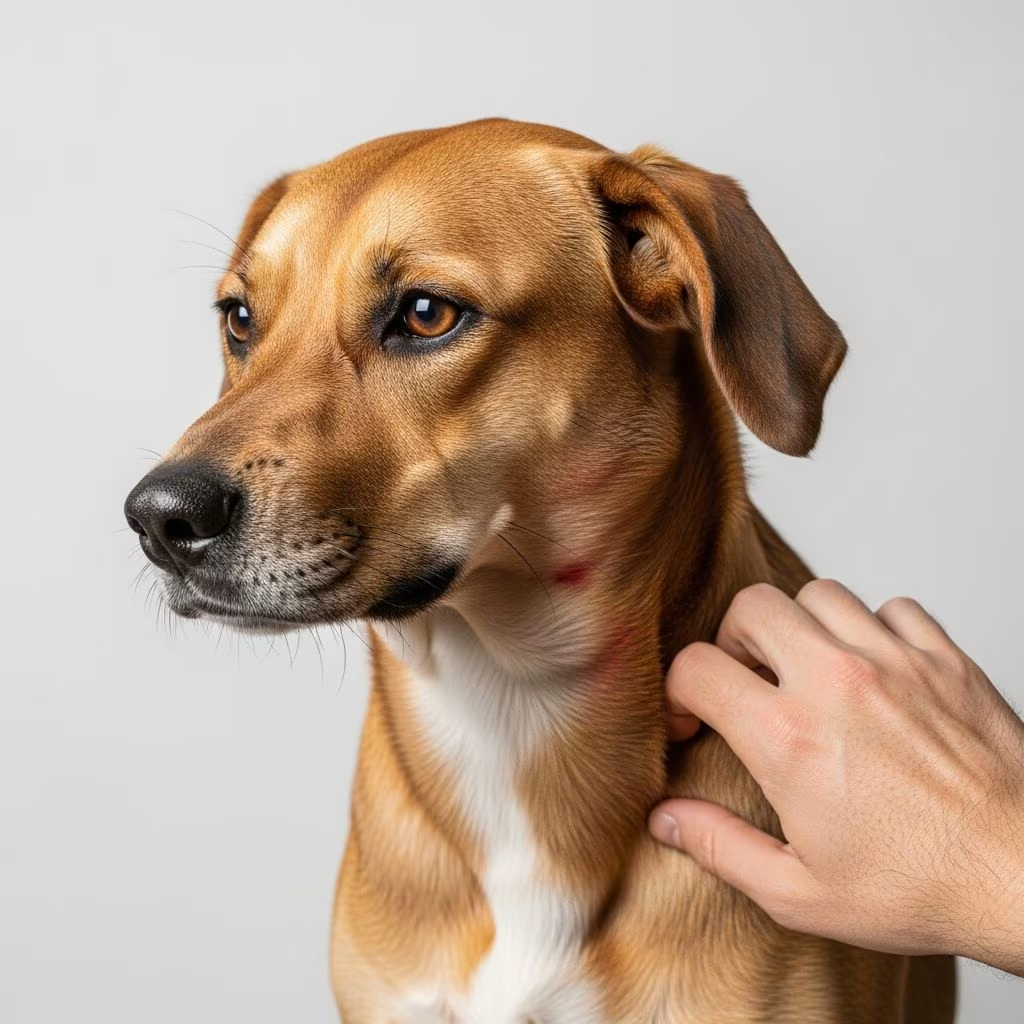
Allergic reactions in dogs occur when their immune systems overreact to harmless substances, leading to a range of symptoms from mild discomfort to life-threatening emergencies. Understanding these responses helps owners act swiftly to protect their pets.
Common Triggers Behind Canine Allergies
Dogs encounter allergens in various forms, including environmental factors like pollen, dust mites, and mold; food ingredients such as proteins in beef or grains; insect bites from bees or fleas; and medications or vaccines. These triggers prompt the release of histamines, causing inflammation and irritation. Environmental allergies often worsen seasonally, while food sensitivities may persist year-round.
Recognizing Mild Allergic Responses
Most allergic episodes in dogs are mild and manifest through skin and respiratory signs. Watch for these indicators:
- Intense scratching, licking, or chewing at paws, belly, or ears
- Hives, red welts, or bumpy rashes on the skin
- Reddened or inflamed skin, sometimes warm to the touch
- Watery eyes, frequent sneezing, or nasal discharge
- Mild swelling around the face, especially eyes or muzzle
- Shaking head due to itchy ears
These symptoms typically appear shortly after exposure and can be localized or widespread. Early detection prevents escalation.
Spotting Severe and Life-Threatening Reactions
Anaphylaxis, a rare but critical condition, demands immediate veterinary intervention. Key signs include:
- Vomiting or diarrhea
- Pale gums indicating shock
- Marked facial or throat swelling
- Labored breathing, wheezing, or rapid panting
- Weakness, collapse, tremors, or irregular heartbeat
- Unconsciousness or cardiac issues
Such reactions can onset within minutes of exposure, progressing rapidly. Do not delay; rush to an emergency clinic.
Immediate Steps for Suspected Allergies
If mild symptoms appear, administer a vet-recommended antihistamine like diphenhydramine if previously advised, but avoid self-medicating without guidance. Remove the suspected trigger, such as washing off insect venom or changing food. For any swelling, hives, or breathing changes, contact a vet urgently. In anaphylaxis, prioritize speed: wrap the dog warmly and head to the nearest facility.
Veterinary Interventions for Mild Cases
For non-emergent reactions, vets often provide quick relief through injections of antihistamines (e.g., diphenhydramine) or corticosteroids. Oral medications like cetirizine may follow to curb itching and prevent GI upset. Observation ensures stability before discharge. Medicated shampoos soothe secondary infections from scratching.
Advanced Care for Anaphylactic Episodes
Severe cases require hospitalization. Treatments include:
| Treatment | Purpose |
|---|---|
| Epinephrine injection | Constricts vessels, opens airways, stabilizes heart |
| IV fluids | Combats shock, supports organ function |
| Oxygen therapy | Aids breathing difficulties |
| Anti-nausea drugs | Controls vomiting |
| Blood pressure meds | Maintains circulation |
Blood tests monitor progress. Biphasic reactions can recur 12-24 hours later, necessitating overnight stays.
Diagnostic Approaches to Pinpoint Allergens
Persistent issues warrant testing. Intradermal skin tests or blood panels identify specific triggers like pollen or fleas. Elimination diets confirm food allergies by removing suspects for 8-12 weeks. These steps guide tailored management.
Long-Term Management Strategies
Control chronic allergies with:
- Environmental control: Vacuum regularly, wash bedding weekly, use air filters
- Topical therapies: Omega-3 supplements, medicated baths, anti-itch sprays
- Oral/injectable meds: Antihistamines, Apoquel (oclacitinib), Cytopoint injections, or short-term steroids
Avoid long-term steroids due to side effects like immune suppression.
Immunotherapy: A Curative Option
Allergy shots or sublingual drops desensitize the immune system after testing. Gradually increasing doses reduce reactivity, succeeding in 60-70% of cases over months to years. This addresses root causes for lasting relief.
Preventive Measures for Allergy-Prone Dogs
Proactive steps minimize flare-ups:
- Flea preventives year-round
- Hypoallergenic diets if food-tested
- Regular grooming to remove pollen
- Limited exposure during high-pollen seasons
- Annual vet check-ups for early signs
Breeds like Bulldogs, Retrievers, and Terriers are predisposed, so vigilance is key.
Frequently Asked Questions (FAQs)
Can dogs outgrow allergies?
Rarely; most persist lifelong, but management improves with age and treatment.
Is Benadryl safe for dogs?
Yes, at 1mg/lb every 8-12 hours, but vet dosing is essential to avoid overdose.
How long do allergy reactions last untreated?
Mild cases: 1-2 days; severe: hours, risking fatality.
What home remedies help itchy dogs?
Oatmeal baths, coconut oil, or cooled chamomile tea rinses offer temporary soothe; vet care is primary.
Do vaccines cause allergies?
Rarely; monitor post-vaccination, as hypersensitivity can occur.
When to Seek Emergency Help
Act immediately on breathing issues, collapse, or extensive swelling. Mild signs warrant same-day vet visits to prevent worsening. Early intervention saves lives and reduces complications.
References
- Our Guide To Allergic Reactions In Dogs – What To Do — Animal Emergency Service. 2023. https://animalemergencyservice.com.au/blog/our-guide-to-allergic-reactions-in-dogs/
- What To Do If Your Dog Experiences an Allergic Reaction — Peak Veterinary. 2023. https://www.peakveterinary.com/blog/what-to-do-if-your-dog-experiences-an-allergic-reaction
- Allergies in Dogs: Symptoms, Causes, and Treatment — PetMD. 2024. https://www.petmd.com/dog/general-health/food-allergies-vs-seasonal-allergies-dogs
- Allergies in Dogs: Signs, Symptoms, Treatments — American Kennel Club. 2024. https://www.akc.org/expert-advice/health/dog-allergies-symptoms-treatment/
- Disorders Involving Anaphylactic Reactions (Type I Reactions, Atopy) in Dogs — Merck Veterinary Manual. 2024. https://www.merckvetmanual.com/dog-owners/immune-disorders-of-dogs/disorders-involving-anaphylactic-reactions-type-i-reactions-atopy-in-dogs



