

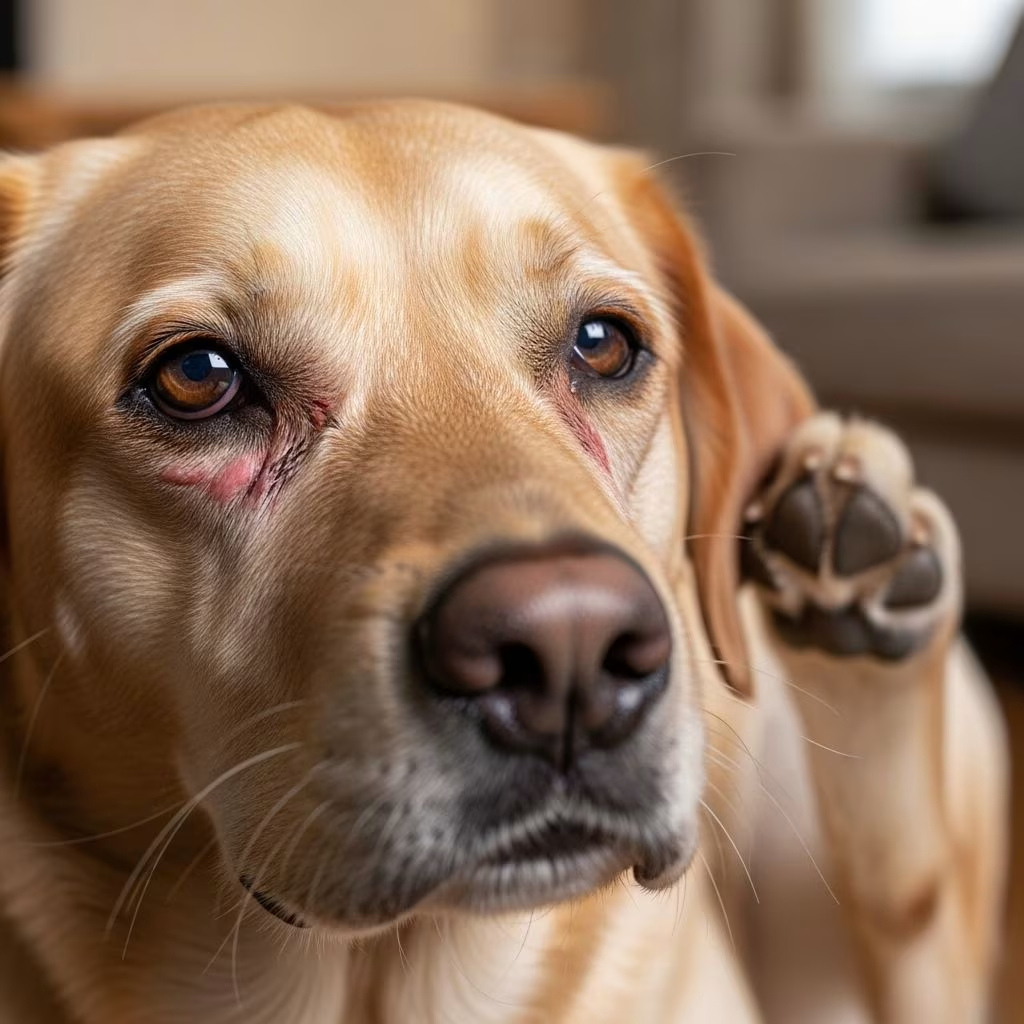
Understanding Allergic Reactions in Dogs
Allergic reactions in dogs can range from mild skin irritation to life-threatening emergencies. Recognizing the warning signs of an allergic reaction is crucial for every dog owner, as prompt identification and treatment can prevent serious complications. Dogs can develop allergies to various substances, including food, environmental triggers, medications, and insect bites. Understanding what an allergic reaction looks like in your dog can help you take swift action when needed.
Six Signs Your Dog Is Having an Allergic Reaction
Allergic reactions in dogs manifest in several distinct ways. Being able to identify these signs early can make a significant difference in your dog’s comfort and safety. Here are the primary indicators that your dog may be experiencing an allergic reaction:
1. Hives and Skin Reactions
One of the most common signs of an allergic reaction is the development of hives on your dog’s skin. Hives appear as raised, red bumps or welts that typically cause itching. These can occur anywhere on your dog’s body, but are most frequently found on the face, legs, back, and sides. Hives may appear suddenly and can spread across different areas. While hives alone are generally not an emergency if no other symptoms are present, they should still be monitored closely and treated appropriately.
2. Facial and Throat Swelling
Facial swelling is a more concerning sign of an allergic reaction. Your dog’s face, muzzle, lips, or throat may become visibly puffy or enlarged. This type of swelling can occur within minutes of exposure to an allergen and may progress quickly. Throat swelling is particularly concerning as it can affect your dog’s ability to breathe and swallow. Any significant facial or throat swelling requires veterinary attention, especially if accompanied by difficulty breathing.
3. Itching and Excessive Scratching
Intense itching is a hallmark sign of allergic reactions in dogs. Your dog may scratch, lick, or bite at their skin excessively, often targeting specific areas. This scratching can lead to secondary skin infections if left untreated. Some dogs may also rub their faces on furniture or the floor in an attempt to relieve the itching sensation. Persistent scratching should prompt a veterinary visit to determine the underlying cause.
4. Gastrointestinal Symptoms
Vomiting and diarrhea can indicate an allergic reaction, particularly in response to food allergies or ingested allergens. These gastrointestinal symptoms may develop gradually or appear suddenly, depending on the trigger. If your dog experiences vomiting or diarrhea that doesn’t improve after 24 hours or is severe in nature, contact your veterinarian immediately. It’s important to note that these symptoms can also be signs of anaphylaxis, a serious medical emergency.
5. Respiratory Symptoms
Difficulty breathing, wheezing, coughing, or noisy breathing can all indicate an allergic reaction affecting the respiratory system. These symptoms are particularly serious and require immediate veterinary care. Brachycephalic dogs, or those with flat faces, may show more pronounced respiratory distress during an allergic reaction. If your dog is struggling to breathe or showing signs of respiratory compromise, take them to the nearest emergency veterinary clinic right away.
6. Anaphylaxis
Anaphylaxis is the most severe type of allergic reaction and occurs within minutes of exposure to an allergen. This life-threatening condition requires immediate emergency treatment. Signs of anaphylaxis include severe swelling, difficulty breathing, collapse, seizures, and shock. Anaphylaxis is a medical emergency that demands immediate veterinary intervention, as it can be fatal without prompt treatment.
Common Causes of Allergic Reactions in Dogs
Understanding what triggers allergic reactions in dogs can help you prevent exposure to allergens. Dogs can develop allergies to various substances throughout their lives.
Food Allergies
Food allergies are often caused by specific proteins in your dog’s diet. Chicken, beef, and dairy are among the most common culprits. Food allergies typically develop over time with repeated exposure to the problematic ingredient and may cause symptoms that include itching, skin infections, and gastrointestinal issues.
Environmental Allergies
Environmental allergens such as pollen, mold, dust mites, and grass can trigger allergic reactions in susceptible dogs. These seasonal allergies often cause itching, skin irritation, and respiratory symptoms.
Flea Allergies
Some dogs develop allergies to flea saliva, even if they have only minimal flea exposure. This can cause significant itching and skin problems.
Contact Allergies
Dogs can also experience allergic reactions to substances they contact directly, such as certain plants, chemicals, or materials.
How Vets Treat Allergic Reactions in Dogs
Treatment for allergic reactions depends on the severity of the reaction and the underlying cause. Your veterinarian will develop a treatment plan tailored to your dog’s specific needs.
Medications for Allergic Reactions
Veterinarians employ several medication options to manage allergic reactions:
Antihistamines: For mild allergic reactions, antihistamines such as Benadryl (diphenhydramine) can be effective. These medications help reduce the body’s allergic response and can provide relief from itching and swelling.
Steroids: Prednisone is a common oral corticosteroid used to reduce inflammation and suppress immune system activity. Dexamethasone is frequently used as an injectable steroid, particularly in emergency situations. While steroids are effective for short-term use, they should not be used long-term due to potential side effects.
Allergy Medications: Apoquel is an oral medication specifically designed to treat environmental allergies in dogs. Zenrelia (ilunocitinib) is a JAK inhibitor that helps break the itch-scratch cycle and is safe for long-term use. Cytopoint is an injectable medication that provides rapid relief from itching.
Epinephrine: In cases of anaphylaxis, epinephrine is administered intravenously to counteract the severe allergic response and prevent shock.
Topical Treatments
Medicated shampoos, wipes, mousse, and sprays can help soothe irritated skin and remove allergens. Products like Douxo S3 Calm contain anti-inflammatory and soothing ingredients. Medicated topical products such as Vetericyn Plus can treat minor skin infections or associated wounds.
Flea and Tick Prevention
Consistent, year-round flea and tick prevention is essential for dogs with flea allergies. Veterinarian-recommended medications like Simparica and NexGard help prevent allergic reactions triggered by flea bites.
Antibiotics and Additional Medications
If your dog has developed a secondary skin infection due to scratching, antibiotics such as Cephalexin or Convenia may be prescribed. Metronidazole can be given to treat significant diarrhea associated with allergic reactions.
Probiotics
Probiotics can support gut health and skin health, particularly in dogs with food allergies or gastrointestinal symptoms.
Immunotherapy
For dogs with environmental allergies, immunotherapy (allergy shots or oral drops) can gradually desensitize the immune system to specific allergens. The success rate for immunotherapy is 60-70%, making it an effective long-term solution for many dogs.
Dietary Management
For food allergies, a hypoallergenic diet trial using novel-protein, limited-ingredient, or hydrolyzed dog food is the standard long-term treatment approach. Your veterinarian will recommend specific diet options based on your dog’s needs.
Treating Specific Allergic Reactions at Home
Managing Hives
If your dog develops hives without other symptoms, you can help manage the reaction at home by bathing your dog with an appropriate medicated shampoo to remove any possible allergens. However, persistent hives should be evaluated by a veterinarian. Your vet may prescribe medications such as prednisone or antihistamines to lessen the immune system response. A dose of oral Benadryl can be helpful if you cannot see the vet right away, though injectable medications work faster than oral options.
Home Care for Skin Allergies
Bathing your dog with appropriate shampoos, such as Douxo S3 Calm, can help remove triggers of allergic reactions on the skin. Your veterinarian might recommend giving oral medications at home, such as antihistamines, to manage symptoms between vet visits.
When to Seek Emergency Veterinary Care
Certain signs indicate that your dog needs immediate emergency veterinary attention. If your dog is experiencing difficulty breathing, severe facial or throat swelling, collapse, seizures, or signs of anaphylaxis, take them to the nearest emergency veterinary clinic immediately. Respiratory symptoms require urgent care as they can quickly become life-threatening.
Treatment of Anaphylaxis
Anaphylaxis is treated aggressively in an emergency veterinary setting. Treatment typically includes IV fluids to maintain blood pressure and hydration, epinephrine to reverse the allergic response, and IV steroids such as dexamethasone to reduce inflammation. In severe cases where the airway is significantly swollen, your dog may need a breathing tube, sedation, and even a ventilator to ensure adequate oxygen delivery.
Frequently Asked Questions About Dog Allergic Reactions
Q: What can I give my dog for an allergic reaction?
A: If you notice a mild allergic reaction, such as facial swelling or hives, and your dog is not experiencing stomach upset or respiratory problems, a dose of oral Benadryl can be helpful. However, injectable medications work faster than oral medications for allergic reactions. For any severe symptoms, contact your veterinarian or emergency clinic immediately.
Q: How long does a dog allergic reaction last?
A: The duration of an allergic reaction depends on the cause and severity. Reactions can last anywhere from minutes to hours. Identifying and removing the trigger as soon as possible will help reduce the reaction time and severity of symptoms.
Q: How do you treat dog allergic reactions at home?
A: Bathing your dog with an appropriate shampoo, like Douxo S3 Calm, can help remove allergen triggers from the skin. Your veterinarian might recommend giving oral medications at home, such as antihistamines, to manage mild symptoms. However, any severe reactions should be evaluated by a veterinarian.
Q: Are allergic reactions in dogs preventable?
A: While you cannot completely prevent allergic reactions, you can reduce the risk by maintaining year-round flea and tick prevention, feeding a high-quality diet appropriate for your dog’s needs, and minimizing exposure to known allergens. Regular veterinary checkups can help identify allergies early.
Q: When should I call the veterinarian for an allergic reaction?
A: Contact your veterinarian if your dog develops hives, persistent itching, facial swelling, or any gastrointestinal symptoms. Seek emergency care immediately if your dog has difficulty breathing, severe swelling, or shows signs of anaphylaxis.
References
- 6 Signs Your Dog Is Having an Allergic Reaction — PetMD. 2024. https://www.petmd.com/dog/general-health/dog-allergic-reaction
- Dog Skin Allergies: Causes, Symptoms, and Treatment — PetMD. 2024. https://www.petmd.com/dog/general-health/dog-skin-allergies
- Food Allergies and Intolerances in Dogs — PetMD. 2024. https://www.petmd.com/dog/conditions/digestive/food-allergies-dogs
- Dog Seasonal Allergies: Symptoms and Treatment — PetMD. 2024. https://www.petmd.com/dog/conditions/skin/seasonal-allergies-dogs
- Dog Hives: What They Are and How To Treat Them — PetMD. 2024. https://www.petmd.com/dog/conditions/skin/hives-dogs-causes-symptoms-and-treatment-options
- Atopic Dermatitis (Atopy) — Cornell University College of Veterinary Medicine, Riney Canine Health Center. https://www.vet.cornell.edu/departments-centers-and-institutes/riney-canine-health-center/canine-health-topics/atopic-dermatitis-atopy



