Recognizing Allergic Reactions in Dogs: A Complete Guide
Learn to spot the warning signs of allergies in your dog and when to seek veterinary care.
Dogs, like humans, can experience allergic reactions to various substances in their environment, food, or parasites. As a responsible dog owner, understanding how to identify these reactions is crucial for your pet’s health and comfort. Allergic reactions in dogs manifest in many different ways, and recognizing these signs early allows you to seek appropriate veterinary care before the condition worsens. This comprehensive guide will help you understand the various manifestations of canine allergies and what steps to take when you suspect your dog is experiencing an allergic reaction.
Understanding Canine Allergies
A canine allergic reaction occurs when your dog’s immune system overreacts to a specific substance, treating it as a threat even though it poses no actual danger. These substances, known as allergens, can come from multiple sources including environmental factors, food ingredients, parasites, or direct contact with certain materials. Unlike humans who typically experience respiratory symptoms from allergies, dogs most commonly develop skin-related reactions, though respiratory and digestive symptoms can also occur.
The immune system’s exaggerated response to allergens can lead to inflammation, discomfort, and secondary infections if left untreated. Understanding the different types of allergies and their specific presentations helps you identify problems more accurately and communicate effectively with your veterinarian.
Primary Indicators of Allergic Reactions
Skin-Related Symptoms
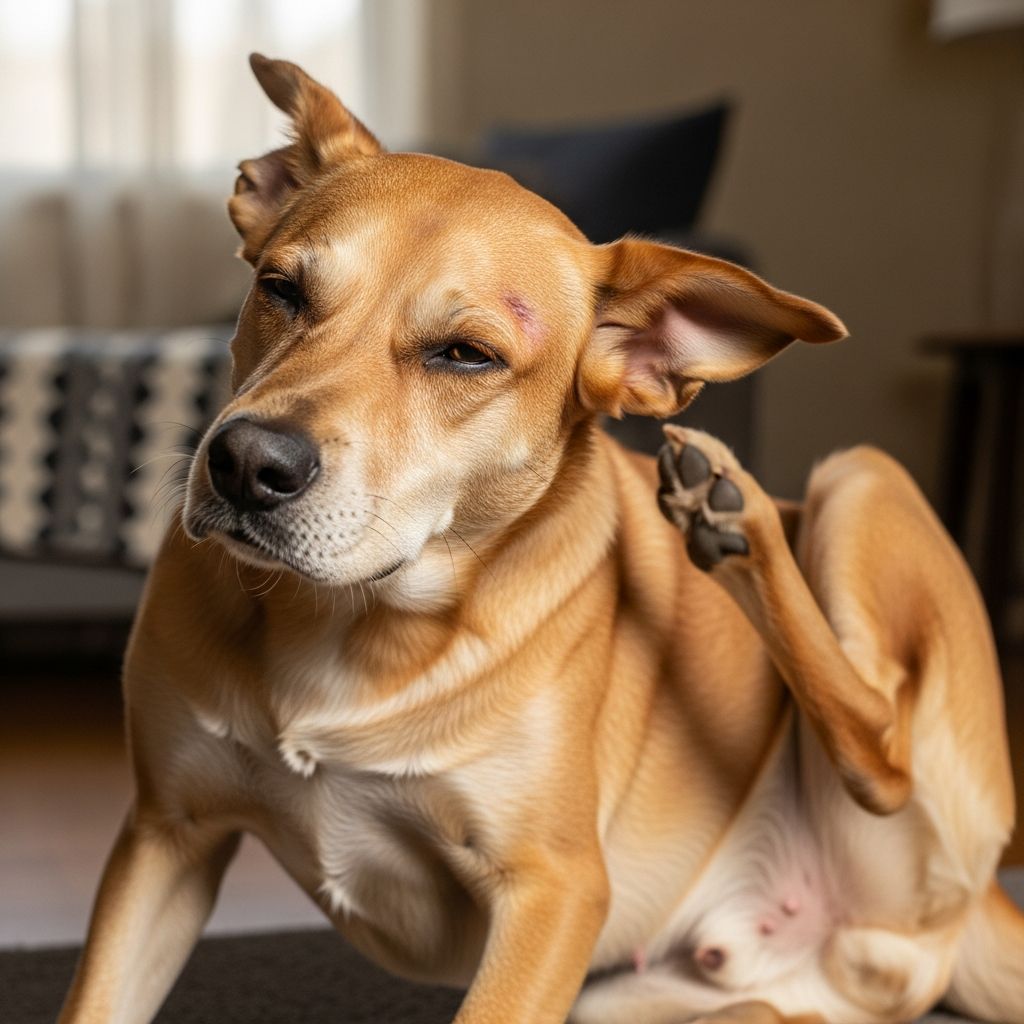
The skin is typically the primary target of allergic reactions in dogs. Most dog owners first notice that their pet is scratching, licking, or chewing excessively at their skin. This behavior often intensifies during certain times of the day or after specific activities, such as outdoor playtime or meal times.
- Excessive scratching, licking, or chewing: This is the most common sign that something is irritating your dog’s skin. Pay attention to whether your dog focuses on specific areas like the paws, belly, base of the tail, face, or ears, or if the irritation appears throughout their entire body.
- Red or inflamed skin: Allergen exposure often causes visible redness and inflammation. You may notice patches of irritated skin, particularly in areas where your dog scratches most frequently.
- Hair loss and balding patches: Continuous scratching and licking can result in hair loss, creating bald spots or thinned areas. This is particularly noticeable along the base of the tail, legs, and belly.
- Scabs, hot spots, and skin lesions: When a dog repeatedly scratches an area, it can break the skin and create open wounds. These hot spots become warm, painful, and prone to secondary bacterial infections.
- Flaky or dry skin: Allergic reactions often disrupt your dog’s skin barrier, leading to excessive dryness and visible flaking or scaling.
- Hives or raised bumps: Some dogs develop hives, which appear as raised, discolored patches of skin. These can appear and disappear relatively quickly depending on the allergen.
Ear Infections and Head Symptoms
Dogs with allergies frequently experience ear problems because the ear canal has skin that reacts similarly to other affected areas. Allergy-related ear infections are among the most common presentations of canine allergies.
- Frequent ear infections: Recurring or chronic ear infections without an obvious cause often indicate an underlying allergy rather than a primary ear problem.
- Head shaking and tilting: Persistent head shaking, especially combined with ear scratching, suggests ear canal irritation or infection related to allergic reactions.
- Musty or yeasty odor: An unusual smell coming from the ears often indicates a secondary yeast or bacterial infection developing due to the allergic inflammation.
- Discharge or debris: You may notice dark discharge or debris inside the ear canal when examining your dog’s ears.
Behavioral and Facial Signs
Beyond skin symptoms, dogs with allergies often display distinctive behavioral patterns. Your dog may rub their face on furniture, carpets, or your leg in an attempt to relieve itching. Eye symptoms also frequently accompany allergic reactions.
- Face rubbing: Dogs frequently rub their face on floors, furniture, or their owner’s legs to scratch areas they cannot easily reach with their paws.
- Itchy, watery, or red eyes: The eyes may appear watery, swollen, or have a reddish appearance. Some dogs develop a discharge around the eyes.
- Sneezing and mild coughing: While less common than skin symptoms in dogs, some allergic dogs experience sneezing or coughing, particularly if environmental allergens are involved.
Digestive Symptoms
Food allergies specifically often manifest through the digestive system, though environmental allergies can occasionally cause gastrointestinal upset as well. If your dog experiences digestive issues in combination with skin symptoms, food allergy should be considered.
- Vomiting: Repeated or occasional vomiting, particularly if it correlates with meal times or specific foods, may indicate a food allergy.
- Diarrhea or loose stools: Changes in stool consistency or frequent loose stools can accompany food allergies and should be noted.
- Gas and bloating: Some allergic dogs experience increased gas production or visible abdominal bloating.
Identifying Allergy Triggers
Environmental Allergens
Environmental allergies, also called atopic dermatitis, occur when dogs react to airborne particles or outdoor substances. These allergies often follow seasonal patterns.
- Pollen from trees, grasses, and weeds (typically worse in spring and fall)
- Mold spores
- House dust and dust mites
- Humidity and moisture
Flea Allergies
Flea allergy dermatitis is the most common skin disease in dogs. The remarkable aspect of flea allergies is that even a single flea bite can trigger a severe allergic reaction in susceptible dogs. The allergen comes from proteins in flea saliva, not from the flea itself. You may not see live fleas on your dog, but you might observe black dots that resemble coffee grounds at the base of the fur—these are flea dirt, or flea excrement containing digested blood.
Food Allergens
Food allergies present differently from environmental allergies because they do not follow a seasonal pattern. Common food allergens in dogs include beef, chicken, dairy, wheat, and soy. Unlike environmental allergies, food allergy symptoms remain relatively consistent throughout the year.
Tracking and Documenting Symptoms
One of the most valuable tools for identifying allergies is maintaining a detailed symptom journal. Document when symptoms occur, their severity, and any patterns you notice. Include information about:
- Specific times of day or days of the week when symptoms worsen
- Seasonal patterns or year-round consistency
- Relationship to meals or specific foods
- Connection to outdoor activities or environmental changes
- Weather conditions or humidity levels
- Any new products, treats, or environmental changes introduced to your home
This documentation proves invaluable when working with your veterinarian to identify the underlying cause of your dog’s allergic reactions.
Secondary Infections and Complications
Continuous scratching and skin irritation can lead to serious secondary complications. Broken skin provides an entry point for bacteria and yeast, potentially causing more serious infections than the original allergy. Secondary skin infections can intensify symptoms and require additional treatment beyond allergy management.
When to Contact Your Veterinarian
While mild allergies might resolve on their own or with basic management, certain situations warrant immediate veterinary attention.
Schedule a Regular Appointment If:
- Your dog has persistent itching lasting more than a few days
- You notice signs of skin infection such as pus, severe inflammation, or spreading rashes
- Symptoms appear to worsen despite your efforts to identify and eliminate triggers
- Your dog develops recurring ear infections
- Symptoms significantly impact your dog’s quality of life or sleep
- You suspect a food allergy and want to explore an elimination diet
Seek Emergency Care If:
- Your dog experiences difficulty breathing or wheezing
- Severe swelling develops in the face, throat, or muzzle
- Your dog becomes lethargic or unresponsive
- Rapid heartbeat or collapse occurs
- Severe vomiting or diarrhea develops
Understanding Severity Levels
| Severity Level | Symptoms | Recommended Action |
|---|---|---|
| Mild | Occasional scratching, minor redness, no secondary infections | Monitor closely, document symptoms, schedule routine vet visit |
| Moderate | Frequent scratching, visible inflammation, occasional ear infections, sleep disruption | Schedule veterinary appointment within 1-2 weeks |
| Severe | Constant scratching, open wounds, secondary infections, significant hair loss, behavioral changes | Contact veterinarian promptly for urgent evaluation |
| Life-Threatening | Difficulty breathing, facial swelling, collapse, severe vomiting | Seek emergency veterinary care immediately |
Frequently Asked Questions
Q: Can dogs outgrow allergies?
A: Most allergies in dogs are lifelong conditions. However, the severity may fluctuate, and some dogs may become less sensitive to certain allergens over time with appropriate management.
Q: Are certain dog breeds more prone to allergies?
A: While allergies can develop in any dog regardless of breed, some breeds show higher predisposition to atopic dermatitis and food allergies, including Retrievers, Bulldogs, and Terriers.
Q: How long does an allergic reaction typically last?
A: Duration depends on the allergen type. Environmental allergy symptoms may resolve when exposure ends, while food allergies persist until the offending food is removed from the diet. Without intervention, symptoms can become chronic.
Q: Can I treat dog allergies at home?
A: While you can manage symptoms through environmental modifications and hypoallergenic grooming products, proper diagnosis requires veterinary evaluation. Self-treatment without professional guidance may delay necessary care or worsen the condition.
Q: What’s the difference between a food allergy and food sensitivity?
A: Food allergies involve an immune system response, while food sensitivities involve digestive system reactions. True allergies require complete avoidance of the offending ingredient, while sensitivities may be manageable in smaller quantities.
Conclusion
Recognizing allergic reactions in your dog requires careful observation, documentation, and knowledge of the various presentations allergies can take. From skin symptoms and ear infections to digestive upset and behavioral changes, allergies affect dogs in multiple ways. By learning to identify these signs early and working closely with your veterinarian, you can help your dog achieve relief and improved quality of life. Remember that allergies are typically manageable conditions, and early intervention often prevents the development of secondary infections and complications that can make the situation more serious.
References
- Allergies in Dogs — Merck Veterinary Manual. Updated 2024. https://www.merckvetmanual.com/dog-owners/skin-disorders-of-dogs/allergies-in-dogs
- What are the symptoms of allergies in dogs? — VCA Animal Hospitals. Updated 2024. https://vcahospitals.com/know-your-pet/allergy-general-in-dogs
- Dog Allergy Symptoms — PetMD. Updated 2024. https://www.petmd.com/dog/general-health/food-allergies-vs-seasonal-allergies-dogs
- Decoding Dog Allergies: Symptoms, Testing, and Treatment — American Animal Hospital Association (AAHA). Updated 2024. https://www.aaha.org/resources/decoding-dog-allergies-symptoms-testing-and-treatment/
- Pet allergy – Symptoms & causes — Mayo Clinic. Updated 2024. https://www.mayoclinic.org/diseases-conditions/pet-allergy/symptoms-causes/syc-20352192
Similar Articles








Read full bio of Sneha Tete