Dog Agility: Perfect Fit for You and Your Pup?
Discover if dog agility training matches your lifestyle and your dog's energy, with tips to get started on this fun, bonding adventure.
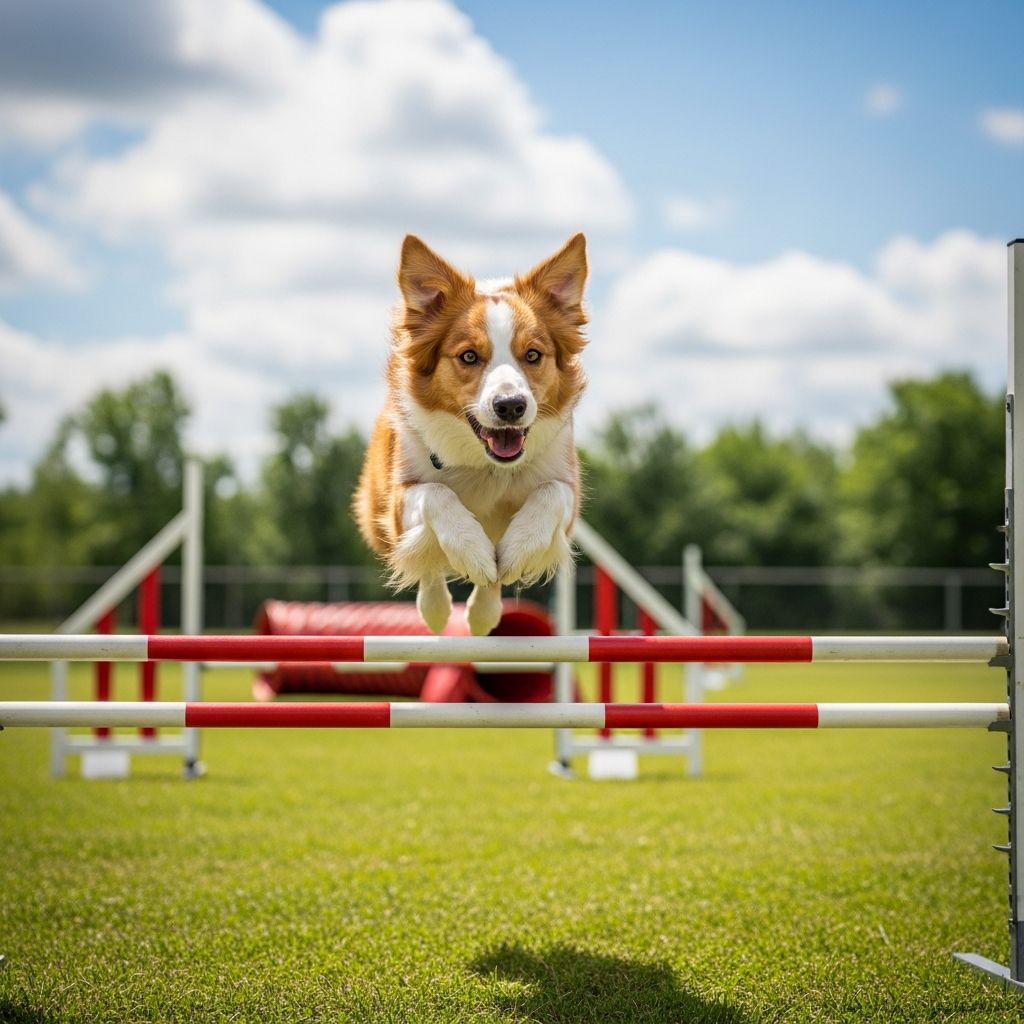
Dog agility is a dynamic sport where dogs navigate obstacle courses guided solely by their handler’s voice and body language, offering physical exercise, mental challenges, and strengthened bonds between dog and owner.
Unlocking the Power of Canine Agility
Rooted in a dog’s natural instincts to chase and maneuver through challenging terrain, agility training transforms everyday pets into athletic partners. Courses feature jumps, tunnels, weave poles, and contact obstacles like A-frames and seesaws, designed to mimic wild hunting scenarios. This activity provides comprehensive fitness, burning calories while building muscle and endurance.
Participants run alongside their dogs, directing them without physical guidance, which sharpens focus and communication skills for both. Regular sessions enhance cardiovascular health, prevent obesity, and promote joint strength, making it ideal for active dogs.
Top Benefits That Transform Your Dog’s Life
Agility training delivers multifaceted advantages, impacting health, behavior, and relationships.
- Boosted Physical Fitness: Navigating obstacles improves heart health, muscle tone, flexibility, and balance, helping maintain ideal weight and mobility across all ages.
- Mental Sharpness: Dogs solve problems on the fly, learning commands amid distractions, which combats boredom and reduces destructive habits.
- Confidence Surge: Conquering challenges builds self-assurance, aiding shy or anxious dogs in everyday situations.
- Stronger Human-Dog Bond: Teamwork fosters trust and responsiveness through non-verbal cues.
- Energy Management: High-drive dogs channel pent-up energy productively, leading to calmer home behavior.
- Longevity Potential: Combined exercise lowers stress, supports joint health, and may extend lifespan.
Owners gain fitness too, staying active while honing observation skills for better training outcomes.
Which Dogs Thrive in Agility?
Not every dog needs to be a champion racer. Most healthy adults over one year excel if motivated by play or food rewards. Herding breeds like Border Collies and Australian Shepherds dominate due to speed and focus, but mixed breeds and others succeed with proper matching.
| Breed Group | Strengths | Examples |
|---|---|---|
| Herding | Speed, intelligence, drive | Border Collie, Shetland Sheepdog |
| Working/Terrier | Endurance, agility | Jack Russell Terrier, Labrador |
| Mixed/Small | Enthusiasm, adaptability | Mutts, Miniature Poodles |
High-energy pups benefit most, but calmer dogs enjoy low-impact backyard versions. Avoid puppies under 12-18 months to protect growing joints.
Health Prerequisites Before Starting
A veterinary clearance is essential. Screen for joint issues, heart conditions, or obesity that could worsen with intense activity. Start slow with fitness assessments: can your dog jump comfortably? Maintain balance on uneven surfaces?
- Consult a vet for baseline exams, especially for seniors or breeds prone to hip dysplasia.
- Build baseline stamina via walks or fetch before obstacles.
- Monitor for signs of fatigue, limping, or reluctance during intro sessions.
Gearing Up: Essential Equipment Guide
No need for a full course initially—start with basics for home practice.
- Jumps: Adjustable heights with winged bars.
- Tunnels: Collapsible fabric tubes, 10-20 feet long.
- Weave Poles: 12 PVC poles spaced 24 inches apart.
- Contact Gear: Mini A-frame, dogwalk, teeter for balance training.
- Accessories: Harness, long line, treats, clicker.
Invest in durable, safe items from reputable suppliers. Backyard setups cost $200-500; clubs offer rentals.
Mastering Training Foundations
Success hinges on positive reinforcement. Break skills into tiny steps, rewarding eagerly.
- Attention Games: Teach “look” and name response amid distractions.
- Obstacle Intro: Lure through tunnels or over low jumps with treats.
- Direction Cues: Use hand signals for left/right turns.
- Sequences: Chain 2-3 obstacles, gradually speeding up.
- Speeds and Contacts: Practice running contacts on ramps for safety.
Sessions last 10-15 minutes, 3-5 times weekly. Enroll in group classes for socialization and expert tips.
Competition World: From Novice to Pro
America Kennel Club (AKC), USDAA, and NADAC host varied formats. Levels progress from novice (basic courses) to masters (complex, timed runs). Qualifying scores earn championships.
- Prep Tips: Simulate trial stress with crowds and noises.
- Class Types: Standard (full course), Jumpers (no contacts), Snooker (strategy game).
- Handler Role: Run ahead, cue verbally—leashes off at gate.
First trials build experience; focus on fun over wins.
Potential Hurdles and Fixes
Common issues include fear of heights, weave errors, or handler nerves.
- Fearful Dogs: Desensitize gradually with praise.
- Frantic Energy: Teach self-control via impulse games.
- Injury Risk: Warm-ups, proper surfaces, rest days.
- Motivation Dips: Vary rewards, keep sessions fresh.
Professional trainers address reactivity or focus problems.
DIY Backyard Agility Setup
Create a mini-course safely:
- Use household items: brooms for jumps, laundry baskets for tunnels.
- Prioritize soft landings, stable structures.
- Scale to dog’s size—low hurdles for small breeds.
Progress to club trials once proficient.
Frequently Asked Questions
What’s the best age to begin agility?
Wait until skeletal maturity (12-18 months), but intro play earlier with low-impact gear.
Do I need an athletic dog?
No—enthusiasm trumps speed; all sizes compete in height categories.
How often should we train?
3-5 short sessions weekly prevent burnout while building skills.
Can older dogs participate?
Yes, modified courses maintain fitness without strain.
Is agility safe for all breeds?
With vet approval, yes—adapt for physical limitations.
Final Thoughts on Your Agility Journey
Assess your commitment: time for classes, space for practice, patience for progress. If your dog loves challenges and you enjoy activity, agility awaits. Start small, celebrate milestones, and watch your bond flourish.
References
- Agility for Dogs — VCA Animal Hospitals. 2023. https://vcahospitals.com/know-your-pet/agility-for-dogs
- 10 Benefits of Agility Training for Dogs — ElleVet Sciences. 2023. https://www.ellevetsciences.com/blog/agility-training-for-dogs/
- 5 Benefits of Dog Agility Training — Kinship. 2024. https://www.kinship.com/dog-behavior/dog-agility-training
- Benefits of Dog Agility Training — BarkPark. 2023. https://www.dogparkproduct.com/build-your-park/benefits-of-dog-agility-training/
- 6 Awesome Benefits of Dog Agility Training — FitPaws. 2023. https://fitpaws.com/blogs/fitpaws-community/6-awesome-benefits-of-dog-agility-training
Similar Articles








Read full bio of medha deb