

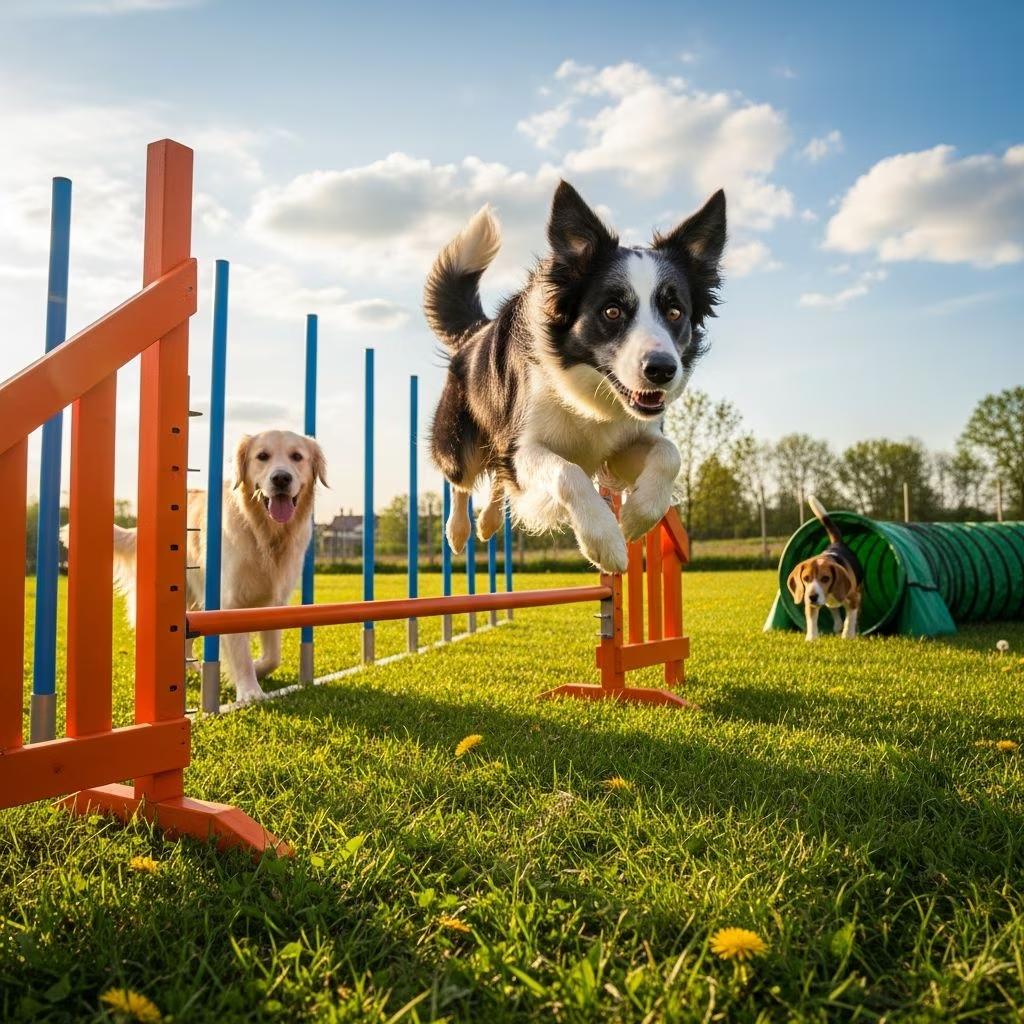
Dog agility training offers a dynamic way to help dogs achieve a state of relaxation through structured physical and mental challenges. This activity not only exhausts excess energy but also fosters focus and trust, benefiting both dogs and their handlers.
Understanding the Core Appeal of Agility for Canine Well-Being
Agility involves dogs navigating obstacle courses under handler guidance, demanding speed, precision, and obedience. Far from mere entertainment, it addresses common issues like hyperactivity and anxiety by channeling energy productively. Regular sessions lead to dogs that settle more easily at home, as the combination of exertion and accomplishment promotes a balanced mindset.
Handlers often report feeling more relaxed too, as the shared success builds mutual understanding. This dual benefit makes agility ideal for busy households seeking sustainable ways to manage pet behavior.
Physical Transformations Through Obstacle Navigation
The physical demands of agility equip dogs with superior fitness levels. Courses feature jumps, tunnels, weave poles, and elevated walks, requiring full-body engagement.
- Cardiovascular Endurance: Sprinting between obstacles elevates heart rates, improving stamina over time.
- Muscle Development: Climbing and balancing strengthen core, legs, and back muscles.
- Joint Flexibility: Controlled movements maintain mobility, crucial for aging dogs.
- Weight Management: High-calorie burn prevents obesity-related problems.
For high-energy breeds, these workouts provide essential outlets, reducing restlessness that disrupts household peace.
Mental Workouts That Promote Serenity
Agility sharpens cognitive functions, countering boredom-induced stress. Dogs learn sequences, read handler cues, and adapt to new setups, enhancing problem-solving abilities.
| Mental Skill | How Agility Builds It | Relaxation Impact |
|---|---|---|
| Focus | Following commands amid distractions | Teaches impulse control for calmer downtime |
| Decision-Making | Choosing paths on courses | Boosts confidence, reducing fear responses |
| Memory | Recalling obstacle orders | Prevents anxiety from mental underuse |
| Adaptability | Handling course changes | Promotes resilience in daily environments |
Such stimulation tires the mind constructively, leading to dogs that rest contentedly rather than pacing anxiously.
Overcoming Anxiety with Structured Challenges
Anxious dogs thrive in agility’s predictable yet progressive environment. Starting with simple tasks builds success momentum, gradually desensitizing them to stressors.
- Handlers use positive reinforcement to associate obstacles with rewards, shifting focus from worries.
- Short, calm sessions prevent overwhelm, allowing gradual exposure.
- Home setups enable private practice, easing into group settings.
Over weeks, dogs exhibit fewer stress signals like panting or avoidance, embracing activities with enthusiasm.
Strengthening the Human-Dog Partnership
Agility demands seamless communication, forging deeper bonds. Handlers refine non-verbal signals, while dogs attune to subtle directions.
This teamwork extends beyond the course: obedient dogs in trials translate to reliable companions at home. Owners gain confidence in guiding their pets, reducing frustration from behavioral mishaps.
Social Dynamics in Group Agility Environments
Class settings introduce controlled socialization. Dogs learn polite interactions amid shared excitement, curbing reactivity.
- Proximity to peers teaches boundaries without chaos.
- Handler supervision ensures positive exchanges.
- Post-session mingling reinforces calm greetings.
Such exposure fosters well-adjusted pets comfortable in parks or events.
Essential Gear for Home Agility Practice
Beginners can replicate courses affordably:
| Equipment | Purpose | Beginner Tip |
|---|---|---|
| Weave Poles | Coordination | Space 18-24 inches apart |
| Tunnel | Confidence | Start collapsed for ease |
| Low Jumps | Endurance | Adjust height to dog’s ability |
| Pause Table | Impulse Control | Use treats for stays |
Consistent 10-15 minute sessions yield noticeable calm within a month.
Tailoring Agility for Different Dog Profiles
High-Energy Youngsters
Puppies and adolescents burn energy rapidly, preventing destructive habits like chewing furniture.
Senior Companions
Low-impact modifications, like walking cavaletti rails, preserve mobility without strain.
Rescue Dogs
Trauma survivors gain trust through achievable wins, rebuilding security.
Customization ensures every dog reaps relaxation rewards.
Step-by-Step Introduction to Agility
- Assess Readiness: Ensure vet clearance and basic obedience.
- Start Simple: One obstacle at a time with high-value rewards.
- Build Sequences: Add elements weekly, praising efforts.
- Incorporate Distractions: Practice outdoors gradually.
- Join Classes: For professional guidance and socialization.
Patience yields a focused, serene dog.
Measuring Progress Toward Relaxation
Track via journals: note settling speed post-session, reduced barking, or eager course returns. Handlers often feel less stressed, enjoying quality time more.
Common Hurdles and Solutions
- Fear of Obstacles: Lure with toys, never force.
- Handler Frustration: End on successes, keep sessions short.
- Plateaus: Vary routines to reignite interest.
FAQs
Is agility suitable for all breeds?
Yes, with adaptations; small dogs excel on mini courses, large ones on standard.
How often should sessions occur?
3-5 times weekly, 15-30 minutes each, balancing with rest.
Can agility help aggressive dogs?
It aids focus and confidence but pair with behaviorist input.
What if my dog is overweight?
Begin with walks incorporating poles for gentle starts.
Does it extend lifespan?
By promoting health and activity, it supports longevity indirectly.
Agility’s holistic approach creates calmer lives for dogs and owners alike.
References
- How Agility Training Challenges Your Dog Mentally and Physically — A Peaceful Pack. 2023. https://www.apeacefulpack.com/post/how-agility-training-challenges-your-dog-mentally-and-physically
- 10 Benefits of Agility Training for Dogs — ElleVet Sciences. 2023. https://www.ellevetsciences.com/blog/agility-training-for-dogs/
- The Impact of Agility Training on Your Dog’s Mental Health and Well-Being — Joseph’s Dog Training. 2023. https://josephsdogtraining.com/the-impact-of-agility-training-on-your-dogs-mental-health-and-well-being/
- 6 Awesome Benefits of Dog Agility Training — FitPaws. 2023. https://fitpaws.com/blogs/fitpaws-community/6-awesome-benefits-of-dog-agility-training
- Eight Reasons to Try Agility Training with Your Dog — VCA Animal Hospitals. 2023. https://vcahospitals.com/resources/behavior-dog/training/eight-reasons-to-try-agility-training-with-your-dog



