

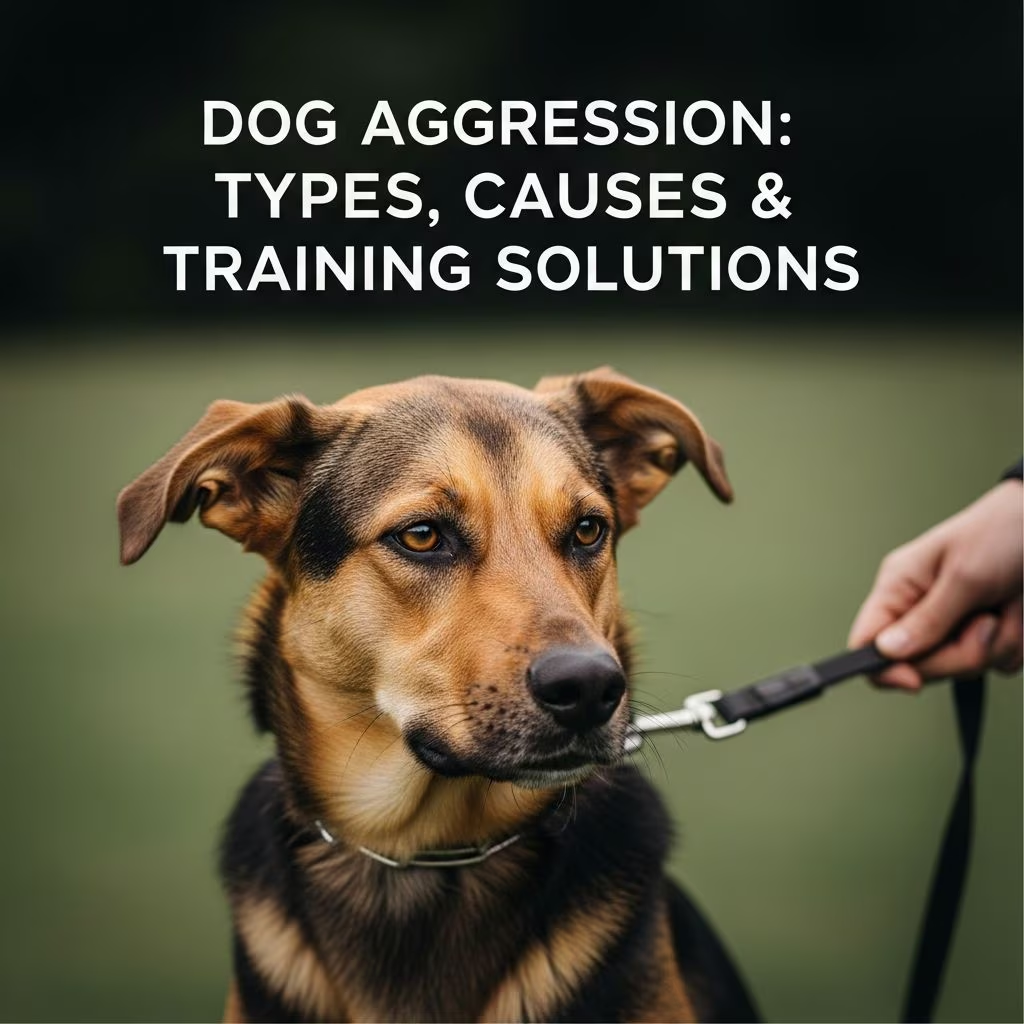
What Is Dog Aggression?
Dog aggression is a form of communication that signals discomfort, fear, or a dog’s attempt to protect something they value. Rather than a standalone behavior problem, aggression is often a symptom of an underlying issue that requires careful assessment and management. Understanding aggression as communication is the first step toward addressing it effectively. When dogs display aggressive behaviors, they’re typically telling us that something in their environment or situation is making them feel threatened, anxious, or protective. Recognizing this allows dog owners and trainers to work toward solutions that address the root cause rather than simply suppressing the behavior.
13 Types of Dog Aggression
Dog aggression manifests in various forms, each with distinct triggers and underlying motivations. Understanding these different types is essential for developing an appropriate training and management plan.
Common Types of Canine Aggression
Dogs can display aggression toward people, other animals, or in specific situations. The most frequently observed types include:
- Territorial Aggression: A dog reacts aggressively toward people or animals approaching their perceived territory, such as their home or yard.
- Protective Aggression: Defensive behavior displayed when a dog believes a family member or valued resource is being threatened.
- Possessive Aggression: Aggressive reactions when a dog guards toys, food, or other valued items.
- Fear-Based Aggression: Defensive behavior triggered by perceived threats when a dog feels cornered or unable to escape.
- Redirected Aggression: Aggression directed at an innocent party when a dog cannot access their original target.
- Idiopathic Aggression: Aggressive behavior with no definable pattern or triggers, typically considered neurological in origin.
Each type requires a different approach to management and training. Identifying which type your dog exhibits is crucial for implementing effective solutions.
What Are the Warning Signs of Aggression in Dogs?
Recognizing early warning signs of aggression can help you intervene before the situation escalates. Dogs typically display a progression of signals before displaying overt aggression, giving attentive owners an opportunity to manage the situation.
Pre-Aggression Indicators
Dogs often communicate their discomfort through subtle body language before escalating to aggressive displays. Learning to read these signals allows for early intervention:
- Stiff body posture and muscle tension
- Ears pinned back or forward in a fixed position
- Direct, prolonged staring or hard eye contact
- Raised hackles along the spine
- Bared teeth or lip curling
- Growling or low rumbling sounds
- Tail held high and rigid, or tucked between legs
- Lunging toward a person or animal
- Snapping with teeth
- Biting or sustained aggressive contact
The key to preventing escalation is recognizing these warning signs early and removing your dog from the trigger situation before they reach a point of full aggression.
Why Is My Dog Getting Aggressive? 9 Possible Causes
Understanding the underlying causes of aggression is essential for developing an effective treatment plan. Dogs don’t become aggressive without reason—there’s always a trigger or contributing factor worth investigating.
Genetics and Parental Temperament
A dog’s breed and original working purpose can influence their behavioral tendencies. For example, breeds developed for herding, guarding, or hunting might be more likely to exhibit guarding or protective behaviors, which can escalate to aggression when triggered. However, a puppy’s temperament is even more strongly influenced by their parents. Puppies born to fearful or reactive dogs are more likely to develop similar traits, suggesting that genetic predisposition plays a significant role in aggression susceptibility.
Fear and Anxiety
Fear is one of the most common drivers of aggressive behavior. Dogs experiencing anxiety or who lack confidence may resort to aggression as a defensive mechanism. This often stems from negative past experiences, insufficient socialization, or a naturally anxious temperament.
Lack of Socialization
Dogs not routinely exposed to new, positive experiences in a safe and stress-free manner may learn not to trust new pets, places, and people. Early socialization is critical for developing confidence and reducing fear-based reactivity in adulthood.
Negative Past Experiences
Dogs who have experienced abuse, neglect, or traumatic events may develop aggression as a protective response. Rescue dogs with unknown histories are particularly susceptible to exhibiting fear-based aggression when triggered by reminders of past trauma.
Protective Instincts
Some dogs naturally display protective behaviors toward their family members or territory. When these protective instincts become excessive or uncontrolled, they can manifest as aggression.
Resource Guarding
Dogs with a strong drive to control valuable resources—such as food, toys, or resting spaces—may display possessive aggression. This behavior often has roots in scarcity mentality or past experiences of competition.
Medical Issues and Pain
Underlying health conditions, chronic pain, hormonal imbalances, or neurological problems can contribute to aggression. A dog experiencing discomfort may react aggressively when touched or approached.
Lack of Training and Boundaries
Dogs without clear rules, structure, or training may exhibit aggression due to uncertainty about their role and expectations in their environment.
Overstimulation and Frustration
Dogs who become overstimulated or frustrated may display redirected aggression or snap at people or other animals. Managing arousal levels is important for preventing these outbursts.
How Do I Correct Aggressive Dog Behavior?
Correcting aggressive behavior is not about punishment—it’s about understanding the root cause and using positive, consistent training strategies to shift your dog’s response. This requires patience, commitment, and often professional guidance.
Rule Out Medical Issues
Before addressing behavior, schedule a veterinary visit to ensure your dog isn’t in pain or suffering from a health issue contributing to their aggression. Medical conditions can dramatically influence behavior, and addressing the underlying health problem may resolve the aggression entirely.
Implement Training on Your Own
With guidance from a professional trainer, implement positive reinforcement, desensitization, and counter-conditioning in your daily routine. These techniques teach your dog to stay calm and form positive associations with things that once triggered aggression. Consistency is key—training must be reinforced daily in real-world situations.
Manage—Don’t Force—Social Situations
If your dog is aggressive toward people or other pets, avoid pushing interactions. Instead, use behavior management tools such as muzzles, leashes, no-pull headcollars, no-pull harnesses, or visual barriers to keep everyone safe while you work on behavior change. Management prevents rehearsal of aggressive behavior while training takes effect.
Be Patient and Consistent
Behavioral change doesn’t happen overnight. Stay consistent with your training plan, keep reinforcing calm behavior, and celebrate small wins. Every dog progresses at their own pace, and breakthrough moments often come after sustained effort over weeks or months.
How Do I Prevent Aggression in My Dog?
Preventing aggression starts long before your dog ever shows signs of it. With the right training, environment, and habits, you can help your dog feel secure, confident, and well-adjusted from puppyhood onward.
Use Positive Reinforcement From the Start
Train your dog using rewards such as treats, praise, or play. This builds trust and encourages your dog to repeat good behaviors. Avoid punishment, which can lead to more fear and reactivity. High-value training treats and portable treat carriers make it easy to reward good behavior consistently, whether at home or on outings.
Socialize Your Puppy Early
Expose your puppy to a wide variety of people and animals in a safe and controlled way. Positive early experiences, especially in your home and yard, help puppies feel comfortable and confident. Early socialization creates a foundation of confidence that reduces fear-based reactivity later in life.
Teach Impulse Control Commands
Teaching basic training cues like “sit,” “stay,” and “leave it” gives your dog the tools they need to redirect their focus and pay attention to you. If your dog begins to bark at someone approaching their space, you can divert their attention with these commands, preventing escalation.
Create a Safe Environment
Establish consistent boundaries and rules in your home. Dogs feel more secure when they understand expectations and know their place in the family structure. Provide safe spaces where your dog can retreat when feeling overwhelmed.
Work With Professional Trainers
Consider working with certified dog behaviorists or qualified trainers who use positive reinforcement methods. Professional guidance ensures that training is effective and tailored to your dog’s specific needs and personality.
Desensitization and Counter-Conditioning Techniques
Two of the most effective tools for managing aggression are desensitization and counter-conditioning (DSCC). During the desensitization phase, your dog is gradually exposed to triggers at a distance where they don’t exhibit aggressive behavior. Counter-conditioning builds on this by pairing the trigger with something your dog loves, like treats or praise. This pairing helps them associate what they previously perceived as a “threat” with a positive experience. During this process, the person or trigger gradually moves closer while your dog continues receiving rewards for remaining calm. While this approach can be slow, it’s highly effective when applied consistently.
Additional Training Strategies
Beyond basic management and counter-conditioning, several additional techniques can support your dog’s behavioral improvement:
The Look Command
Teaching your dog to look at you on command can be invaluable. When you see a potential trigger approaching, you can redirect your dog’s attention before they react. Hold out a high-value treat, and when your dog makes eye contact, say “look” and reward them. With practice, your dog will reliably focus on you when hearing this command, preventing reactive episodes from occurring.
The Heel Command
A strong understanding of the “heel” command helps your dog return to position by your side without being yanked back. Practice this during calm moments so your dog becomes cooperative when you use it during an aggressive episode.
Working With Other Dog Owners
If your dog has aggression issues with other dogs, practice with a friend and their dog in a controlled setting. Start at a safe distance, reward your dog with treats as you spot the other dog, and gradually decrease the distance over multiple sessions. This real-world practice reinforces what your dog has learned in training.
Frequently Asked Questions About Dog Aggression
Q: Is aggressive behavior a sign of dominance?
A: While aggression was once attributed to “dominance,” modern dog behavior science recognizes that most aggression stems from fear, insecurity, or medical issues rather than a drive for dominance. Understanding the actual cause is crucial for addressing the behavior effectively.
Q: Can an aggressive dog be rehabilitated?
A: Yes, many aggressive dogs can improve significantly with proper training, management, and sometimes professional behavioral support. However, rehabilitation requires consistent effort and may not completely eliminate the tendency toward aggression in all cases. Success depends on the type of aggression, the dog’s age, and the owner’s commitment to training.
Q: Should I use punishment to stop aggressive behavior?
A: No. Punishment typically increases fear and anxiety, potentially worsening aggression. Positive reinforcement training, combined with identifying and managing triggers, is far more effective and humane.
Q: When should I seek professional help for dog aggression?
A: If your dog displays any form of aggression that could result in injury to people or other animals, consult a veterinary behaviorist or certified professional dog trainer immediately. The earlier you seek help, the better your chances of successful rehabilitation.
Q: How long does it take to correct aggressive behavior?
A: Timeline varies based on the type of aggression, underlying causes, and consistency of training. Some dogs show improvement within weeks, while others may require months of dedicated work. Patience and consistency are essential throughout the process.
Q: Can genetics predispose a dog to aggression?
A: Yes, certain breeds have genetic predispositions toward protective or guarding behaviors. Additionally, puppies born to fearful or reactive parents are more likely to develop similar traits. However, genetics is only one factor—environment, socialization, and training play equally important roles.
References
- What Is Dog Aggression? What Are the Signs? — Chewy. 2024. https://www.chewy.com/education/dog/training-and-behavior/dog-aggression
- Training a Reactive Dog to Stay Calm: A Guide — Chewy. 2024. https://www.chewy.com/education/dog/training-and-behavior/10-tips-to-teach-your-reactive-dog-to-stay-calm
- How To Stop Territorial Aggression in Dogs — Chewy. 2024. https://www.chewy.com/education/dog/training-and-behavior/territorial-aggression-in-dogs
- How to Train Your Dog Not to Bark — Chewy. 2024. https://www.chewy.com/education/dog/training-and-behavior/how-to-train-dog-not-to-bark
- Positive Reinforcement in Dog Training — American Kennel Club. 2024. https://www.akc.org
- International Association of Animal Behavior Consultants Directory — IAABC. 2024. https://www.iaabc.org



