

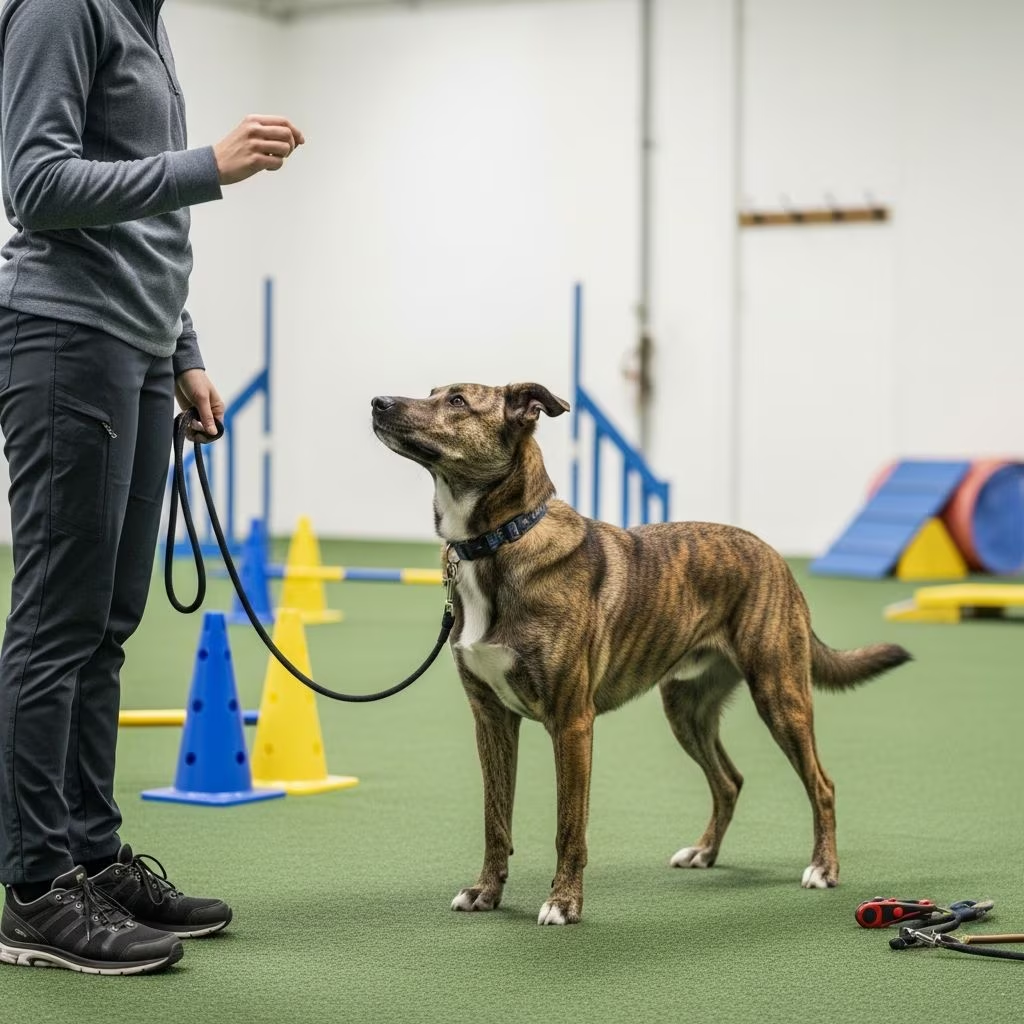
Dog Aggression: Getting Started with Safety and Management
Dog aggression is a serious behavioral concern that affects many pet owners and poses potential risks to family members, guests, and other animals. Understanding the fundamentals of aggression, implementing proper safety measures, and developing effective management strategies are critical first steps in addressing this challenging behavior. This guide provides comprehensive information on how to safely navigate aggression issues and create a plan for improvement.
Understanding Dog Aggression
Aggression in dogs is not simply a desire to cause harm; rather, it is a complex behavioral response to various situations and stimuli. Fear is recognized as the most common cause of canine aggression and is much more common than dominance aggression in dogs. Most aggressive behaviors in dogs stem from fear and anxiety, rather than the desire to hurt others. When a scared dog feels trapped or unable to escape a threatening situation, they may resort to aggression as a defensive mechanism.
The development of aggressive behaviors can be due to a combination of factors, including genetics, early development, socialization experiences, and previous trauma. A shy, under-socialized, fear-aggressive mother dog might give birth to puppies that are more likely to show similar behavioral tendencies. Additionally, dogs raised in deprived environments might develop resource-guarding behaviors, which can manifest as aggression around food bowls or valued items.
Common Types of Dog Aggression
Several distinct types of aggression can occur in dogs, each with different underlying causes and triggers:
Fear-Related Aggression: Fear is the most common motivation for aggression in dogs. Fear-related aggression is aggressive behavior used to ward off a perceived threat, with the goal of increasing the distance between the dog and the frightening stimulus. Genetic factors, early negative environmental influences, or trauma at any age can lead to fearfulness and fear aggression. Dogs can learn from experience that aggression can effectively remove a threat, reinforcing this behavior over time.
Territorial Aggression: Aggressive behavior sometimes appears territorial because stimuli eliciting aggression are more likely to occur at home. A fearful dog might pass strangers calmly on walks but bark and growl when a stranger comes to the home due to a history of the dog receiving unwanted attention from visitors.
Redirected Aggression: When a dog is triggered by a stimulus that is out of its reach, such as another dog passing by or a stranger outside the yard, they may redirect that aggression to the person or animal closest to them. For example, two dogs behind a fence barking at a passing dog may redirect their frustration and attack each other instead.
Conflict Aggression: Genetic factors, early-life negative experience, and insufficient socialization as puppies contribute to the development of conflict aggression. When a dog successfully uses aggression to achieve a goal or remove a threat, it learns that aggression is effective, reinforcing the behavior.
Pain-Induced or Medical Aggression: Any disease that causes pain or discomfort can increase irritability and aggression in dogs. Aggression can be a direct response to pain, and a painful dog might display defensive aggression when handled or when anticipating being handled. Organ dysfunction, CNS disease, and endocrinopathies might also contribute to irritability and aggression.
Control-Related Aggression: This type of aggression is often the result of improper handling and is usually directed at owners or other humans with whom the dog has consistent interaction. Dogs exhibiting this aggression have decided they do not like their exchanges with a particular person and present with aggression to keep them away.
Safety First: Protecting People and Pets
The safety of family members, visitors, and other animals must be the primary concern when dealing with dog aggression. Before implementing any behavior modification strategies, it is essential to establish a secure environment that minimizes the risk of injury.
Creating a Safe Environment
Isolation and Containment: An aggressive dog should be safely contained away from situations where aggression might occur. This means:
- Keeping the dog in a separate room or designated area when visitors arrive
- Using baby gates or barriers to prevent unsupervised access to family members or other pets
- Utilizing crates during times when supervision is not possible
- Ensuring the dog cannot escape and encounter potential triggers
Leash Management: When outside the home, an aggressive dog should always be on a properly fitted leash and collar or harness. This provides essential control and prevents the dog from approaching or attacking other animals, people, or being touched by strangers. A frustrated dog can become aggressive when restrained, so it is important to gradually acclimate dogs to leashes and avoid situations that elicit aggressive responses.
Preventing Handling Triggers: Some actions that may seem innocent can trigger aggressive responses. These include sustained eye contact, pressure over the top of the head, lifting the dog, bending over the dog, certain force-based training techniques, or attempting to take something of high value away from the dog.
Medical Evaluation
Before pursuing behavioral interventions, a thorough veterinary examination is essential. Some aggressive dogs behave the way they do because of a medical condition or complication. Dogs with orthopedic problems, thyroid abnormality, adrenal dysfunction, cognitive dysfunction, seizure disorders, and sensory deficits can exhibit changes in irritability and aggression. Geriatric dogs can suffer confusion and insecurity, which may prompt aggressive behavior. Your veterinarian can help identify any underlying medical issues that may be contributing to the aggression.
Management Strategies for Aggressive Dogs
Effective management involves modifying the dog’s environment and lifestyle to minimize situations that trigger aggressive responses while simultaneously working toward behavior modification.
Environmental Modifications
Adjusting the environment can significantly reduce opportunities for aggression to occur:
- Predictability: Establish a consistent daily routine to reduce anxiety and unpredictability. Dogs benefit from knowing what to expect throughout their day.
- Trigger Avoidance: Identify specific triggers for aggression and actively avoid them when possible during the initial management phase.
- Exercise and Mental Stimulation: Provide adequate physical exercise and mental enrichment through appropriate outlets for normal behaviors, which can help reduce frustration and anxiety.
- Stress Reduction: Minimize exposure to situations known to cause stress or heightened arousal.
What NOT to Do
Certain responses to aggression can actually make the problem worse. Owners who respond to conflict aggression with physical techniques intended to assert dominance—such as pinning the dog or rolling it over—combined with verbal discipline like yelling “no,” may sometimes cause the dog to temporarily inhibit further aggression. More often, though, such techniques cause increased fear and anxiety, and thus increased aggressive behavior. True dominance aggression is rare, and disobeying commands is not dominance.
Additionally, when owners use restraint-based corrections, the dog can learn to associate restraint with feelings of frustration. This explains why some normally friendly dogs become aggressive when put behind a gate, in a cage or crate, in a car, or on a leash, and why a dog who loves people can show surprising aggression when lifted up.
When to Seek Professional Help
Dog aggression is a serious behavior problem and a common reason for seeking professional help. A certified animal behaviorist or experienced veterinary behaviorist can provide invaluable guidance and develop a customized treatment plan tailored to your dog’s specific situation.
Working with Professionals
Professional intervention is recommended when:
- Aggression has resulted in bites or significant injury
- The aggression is escalating in frequency or severity
- Multiple family members or pets are at risk
- The owner feels unsafe or unable to manage the behavior
- Initial management attempts are not showing improvement
A certified animal behaviorist can help you safely deal with your dog’s aggressive behavior and develop evidence-based behavior modification protocols. They can also assess whether medication might be beneficial in conjunction with behavioral training.
Understanding Reactivity vs. Aggression
It is important to distinguish between a reactive dog and an aggressive dog. Aggressive dogs are intent on causing harm, whereas reactive dogs may display similar behaviors but are driven primarily by fear or frustration. A reactive dog may bark, lunge, or snap without the intention of causing serious injury. However, a dog who is pushed too far can quickly progress from reactive and fearful to truly aggressive.
Understanding this distinction helps owners recognize early warning signs and take appropriate action before behavior escalates. Early intervention is key to preventing a fearful or reactive dog from developing more serious aggressive tendencies.
The Role of Early Socialization and Prevention
While this guide focuses on managing existing aggression, prevention through proper early socialization is crucial. Genetics, early development, socialization, and previous experience and learning all play a role in the development of aggression. Insufficient early socialization is a significant risk factor for developing aggressive behaviors. Puppies exposed to a variety of people, animals, and environments during their critical developmental periods are less likely to develop fear-based aggression.
However, many dogs already have established behavioral patterns by the time their owners seek help. In these cases, management and professional guidance become essential tools for creating a safer living situation.
Frequently Asked Questions
Q: Is my dog’s aggression caused by dominance?
A: Probably not. True dominance aggression is rare in dogs. Fear is recognized as the most common cause of canine aggression. When owners or trainers apply dominance-based training methods, it can cause a fearful dog to become more aggressive over time.
Q: Can medical problems cause aggression?
A: Yes. Dogs with pain, orthopedic problems, thyroid abnormality, adrenal dysfunction, cognitive dysfunction, seizure disorders, and sensory deficits can exhibit changes in irritability and aggression. Always have your veterinarian rule out medical causes before pursuing behavioral interventions.
Q: What should I do if my dog shows aggression?
A: First, ensure safety by containing the dog away from potential targets. Arrange a veterinary examination to rule out medical causes. Then consult with a certified animal behaviorist or veterinary behaviorist to develop a management and behavior modification plan.
Q: Why is my friendly dog aggressive on the leash?
A: Dogs can learn to associate restraint with feelings of frustration. Over time, even normally friendly dogs may react aggressively when on a leash, in a crate, behind a gate, or in a car. This is called frustration-elicited aggression and requires specific management strategies.
Q: Is aggressive behavior always intentional?
A: Aggression is an innate response to various situations and is not always an offensive reaction. It is often a defensive response to fear, pain, or perceived threats. Understanding the motivation behind the aggression is essential for effective management.
Q: Can punishment stop my dog’s aggression?
A: Physical punishment and force-based corrections typically make aggression worse by increasing fear and anxiety. These techniques can cause a dog to become more aggressive rather than less. Positive reinforcement and behavior modification techniques are more effective and humane approaches.
Moving Forward with Confidence
Managing dog aggression is challenging but achievable with proper understanding, safety protocols, and professional guidance. The first steps are recognizing that aggression is usually rooted in fear rather than dominance, ensuring safety through environmental management and containment, and seeking professional help. By working closely with your veterinarian and a certified animal behaviorist, you can develop a comprehensive plan that protects everyone while working toward meaningful behavioral improvement. Remember that patience, consistency, and compassion are essential components of successful aggression management.
References
- Behavior Problems of Dogs — Merck Veterinary Manual. 2024. https://www.merckvetmanual.com/behavior/behavior-of-dogs/behavior-problems-of-dogs
- Aggression in Dogs — PetMD. 2024. https://www.petmd.com/dog/behavior/aggression-in-dogs
- Canine Aggression — AKC Canine Health Foundation. 2024. https://www.akcchf.org/disease-history/canine-aggression/
- Sudden Aggression in Dogs: Causes and How to Deal With It — GoodRx Pet Health. 2024. https://www.goodrx.com/pet-health/dog/why-is-my-dog-always-aggressive
- Aggression — ASPCA. 2024. https://www.aspca.org/pet-care/dog-care/common-dog-behavior-issues/aggression
- 7 Types of Dog Aggression and How to Nip Them in the Bud — Salish Veterinary Clinic. 2024. https://www.salishvet.com/services/dogs/blog/7-types-dog-aggression-and-how-nip-them-bud
- The Truth About Aggression and Dominance in Dogs — UC Davis School of Veterinary Medicine. 2024. https://www.vetmed.ucdavis.edu/sites/g/files/dgvnsk491/files/inline-files/The_Truth_About_Aggression__Dominance_dogs.pdf



