

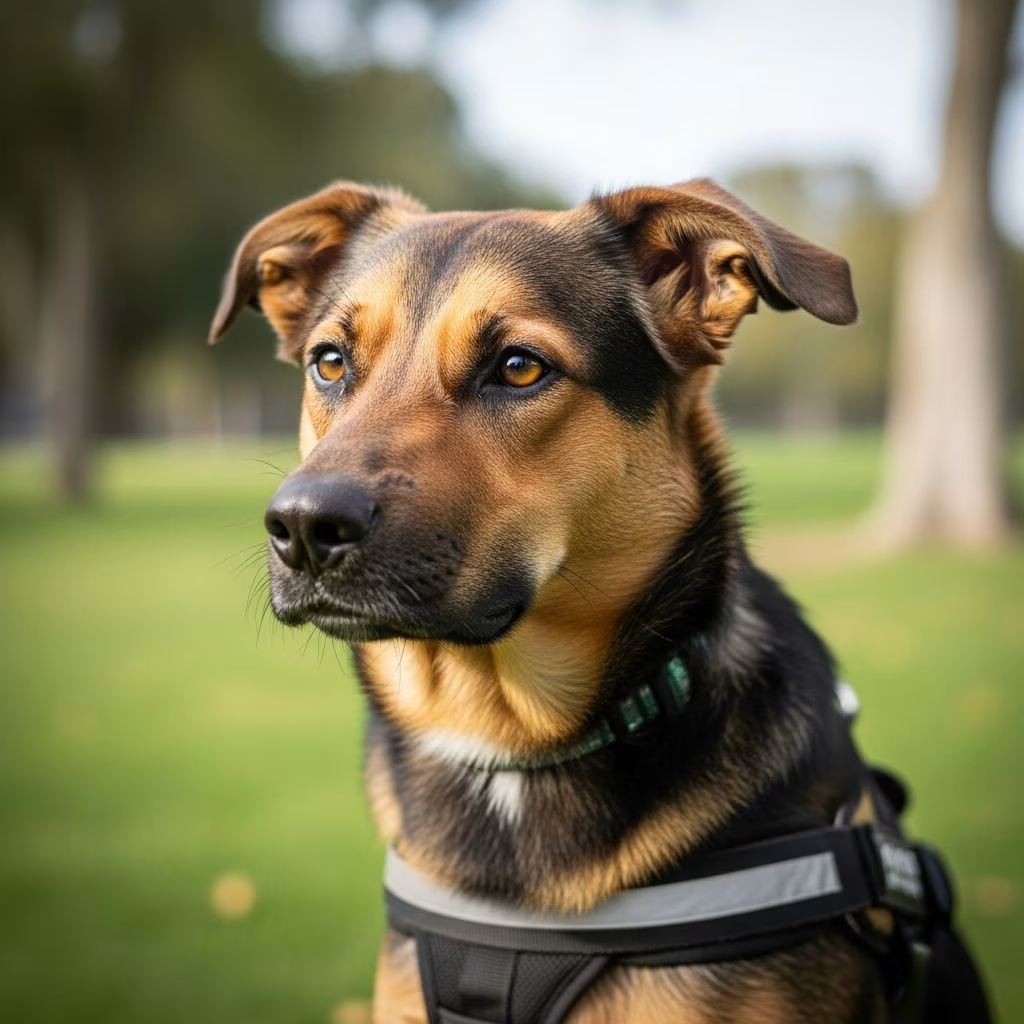
Understanding Dog Aggression: Safety and Management Essentials
Dog aggression is one of the most serious behavioral problems pet owners face today. It represents a significant concern for household safety, neighborhood well-being, and the dog’s future. Understanding aggression is the first critical step toward creating a safer environment and developing an effective management plan. Whether you’re dealing with a newly adopted dog showing warning signs or a long-term companion whose behavior has changed, this comprehensive guide provides the foundational knowledge and practical strategies you need to assess, manage, and address aggressive behavior responsibly.
What is Dog Aggression?
Aggression in dogs is an innate response to various situations driven by numerous underlying causes, ranging from pain and fear to confusion and territorial concerns. It’s not simply an offensive reaction but rather a complex behavioral response that can manifest in multiple forms. Understanding that aggression exists on a spectrum helps pet owners recognize early warning signs before situations escalate to dangerous levels.
Aggression can be displayed through growling, showing teeth, lunging, snapping, or biting. Each of these behaviors serves as a communication tool in the dog’s attempt to manage a perceived threat or control their environment. Recognizing these warning signs early is crucial for preventing serious incidents and initiating appropriate interventions.
Types of Aggression Every Owner Should Know
Multiple forms of aggression exist, and most cases involve more than one type simultaneously. Understanding these distinctions helps you identify triggers and develop targeted management strategies.
Fear-Based Aggression
Fear is recognized as the most common cause of canine aggression and is significantly more prevalent than dominance aggression. Fear-related aggression occurs when dogs encounter unfamiliar people or animals or are exposed to situations they associate with previous negative experiences. Dogs may learn to generalize these fears based on a single traumatic event or develop patterns after multiple experiences.
Interestingly, fearful dogs on their own territory or those that cannot retreat because they are cornered or restrained are more likely to display aggressive responses compared to dogs that can escape. This explains why some dogs may retreat indoors but become aggressive when cornered in a fence or yard. Fear aggression toward family members might stem from punishment or unpleasant experiences associated with owners.
Territorial and Protective Aggression
Some dogs display aggression to protect their territory, resources, or family members. This behavior stems from the dog’s instinct to defend what they perceive as theirs. Territorial aggression often emerges in specific locations, particularly when strangers approach the home, yard, or car.
Resource Guarding and Possessive Aggression
Dogs may display aggression to maintain control over valued resources such as food, toys, or resting spaces. This behavior often surfaces around resources rather than as a response to disobedience or anxiety conditions. Resource guarding can be managed through systematic desensitization and careful environmental management.
Conflict and Control-Related Aggression
Conflict aggression represents the more typical variant of owner-directed aggression and involves ambivalent body postures like a tucked tail combined with forward lunging. Dogs with conflict aggression display warning signs such as growling before escalating to bites and often learn that aggression effectively stops uncomfortable interactions. Control-related aggression typically results from improper handling and is highly preventable with proper education and training.
Redirected Aggression
Redirected aggression occurs when a dog cannot reach the original target of their aggression and instead directs the behavior toward an accessible individual, often a family member or another pet. For example, a dog aroused by activity outside the window may bite a person who touches them during this heightened state.
Pain-Induced and Medical Aggression
Medical conditions can cause or contribute to aggressive behavior. Infectious agents such as rabies, hormonal imbalances like hypothyroidism, psychomotor epilepsy, hyperkinesis, and metabolic disorders can cause or predispose dogs to aggression. Additionally, painful conditions such as dental disease or arthritis increase irritability and may trigger aggressive responses.
Identifying Medical and Behavioral Causes
Any dog showing aggression should be examined by a veterinarian to rule out underlying medical problems. Pain, thyroid problems, illnesses, and hormonal imbalances can transform an otherwise friendly dog into one displaying aggressive behavior. Dogs with hearing or vision loss can also exhibit extreme behavioral changes, including aggression.
The development of aggressive behaviors results from a combination of factors including genetics, developmental experiences, and environmental conditioning. A shy, under-socialized, fear-aggressive mother dog might give birth to puppies more likely to show the same behavioral tendencies. Similarly, dogs raised in deprived environments might develop resource-guarding behaviors around their food bowl.
Risk Assessment and Safety Planning
Assessing the level of risk your dog’s aggression poses is essential for developing an appropriate management strategy. Safety assessment should consider the frequency, intensity, and predictability of aggressive incidents.
Understanding Trigger Patterns
Episodes of aggression tend to be related to predictable triggers including resource disputes, invasion of the dog’s personal space, and grooming or handling situations. Identifying these specific triggers allows you to implement environmental modifications and management strategies. For instance, if your dog shows aggression when restrained on a leash, the dog may have learned to associate restraint with frustration, leading to aggressive displays even when there’s nothing immediately exciting.
Creating a Safe Environment
Once you’ve identified triggers, implement management strategies to minimize exposure to them. This might include:
- Separating the dog from potential conflict situations
- Using baby gates to restrict access to certain areas
- Implementing a consistent routine that reduces uncertainty and anxiety
- Supervising interactions between the dog and other family members or pets
- Creating a designated safe space where the dog can retreat without pressure
The Role of Owner Behavior
Owner responses significantly influence aggressive behavior development. Owners who are angry, frustrated, or who yell at or punish their dogs may inadvertently create fearful associations with specific stimuli. For example, becoming frustrated when visitors arrive and responding with punishment can condition the dog to associate visitor arrivals with something unpleasant, potentially intensifying fear-based aggression.
When owners or trainers apply dominance-based training methods to fearful dogs, the dog may become increasingly aggressive over time. Understanding that most owner-directed aggression stems from fear, conflict, defensive, territorial, or pain-related causes rather than dominance helps owners develop more effective and humane management strategies.
Prevention and Early Intervention
Preventing aggression development is always preferable to managing established aggressive behavior. Proper socialization during puppyhood, positive reinforcement training, and early identification of warning signs are crucial prevention strategies.
Socialization and Exposure
Lack of proper socialization contributes to aggression in dogs. Gradual, positive exposure to different people, animals, and environments during critical developmental periods helps dogs develop confidence and reduces fear-based aggression later in life.
Training Methods Matter
Using reward-based training methods rather than punishment-based approaches reduces the likelihood of fear-related aggression. Dogs that learn through positive reinforcement develop better associations with training and handlers, reducing the probability of aggressive responses to handling or commands.
Working with Professionals
Professional intervention becomes necessary when aggression is severe, escalating, or unsafe to manage alone. Veterinarians can rule out medical causes, while certified animal behaviorists and qualified trainers can develop customized management and modification plans.
When selecting a professional, ensure they use evidence-based, force-free methods rather than punishment-based techniques that may worsen fear-related aggression. Professionals should conduct thorough assessments identifying specific triggers and underlying causes before recommending interventions.
Management Strategies for Aggressive Dogs
Once aggression is identified and assessed, several management strategies can reduce incidents and improve safety:
Environmental Modification
Modify the dog’s environment to minimize triggering situations. This might include closing curtains if window-gazing triggers territorial aggression, using white noise to reduce reaction to external sounds, or managing the dog’s exposure to people or other animals during vulnerable times.
Desensitization and Counter-Conditioning
These techniques involve gradually exposing the dog to triggers at sub-threshold levels while pairing the trigger with positive outcomes. Over time, the dog’s emotional response to the trigger may change from fear or frustration to anticipation of positive events.
Restraint and Confinement
Using appropriate restraint tools like properly-fitted muzzles during necessary interactions or confinement strategies can prevent incidents while longer-term behavioral modification proceeds. However, restraint should never be punitive or cause additional fear and anxiety.
Understanding Learned Aggression
Dogs are always learning, and some learn faster than others. A dog will use aggression if they determine it is an appropriate behavioral response to change the outcome of a situation. When a dog learns that aggression successfully removes a stimulus or changes an outcome, the behavior becomes reinforced and more likely to occur in similar circumstances.
This learning principle explains why ignoring growling warnings can escalate to biting—the dog learns that growling didn’t work, so more intense aggression becomes necessary. It also explains why some normally friendly dogs become aggressive when restrained in gates, cages, crates, or cars; they’ve learned to associate restraint with frustration.
Special Considerations for Different Situations
Aggression in Shelter or Rescue Dogs
Dogs in shelter environments may display fearful or anxious aggression due to heightened stress levels and uncertain living conditions. These dogs often improve significantly once placed in stable home environments with appropriate management and time for decompression.
Multi-Pet Households
When multiple pets share a home, the dynamic between them significantly influences aggressive displays. Some dogs may be perfectly trustworthy with one family member but aggressive toward another or toward young children. Understanding individual relationships and separating incompatible pets becomes critical for safety.
The Importance of Patience and Realistic Expectations
Behavioral modification takes time. Owners should maintain realistic expectations about improvement timelines. Once an aggression trigger is identified and understood, it often can be overcome with time, training, and confidence-building activities. However, some dogs may require long-term management strategies rather than complete resolution of aggressive tendencies.
Frequently Asked Questions
Q: Is dominance aggression really the main cause of dog aggression?
A: No. Dominance aggression is a common misdiagnosis. Fear is the most recognized cause of canine aggression and is much more common than dominance aggression. Most cases previously labeled as dominance aggression are more accurately diagnosed as fear, conflict, defensive, territorial, or pain-related aggression.
Q: Can aggressive behavior change suddenly?
A: Yes. Medical conditions can cause aggression with sudden onset that doesn’t fit typical canine species-typical behavior patterns. If your dog suddenly displays aggression, veterinary evaluation is essential to rule out underlying medical issues.
Q: Is it safe to try managing aggression without professional help?
A: This depends on the severity and type of aggression. Mild cases with clear, manageable triggers might respond to environmental modification and owner behavior changes. However, serious aggression, biting incidents, or cases where you’re unsure about triggers warrant professional evaluation by a veterinarian and certified animal behaviorist.
Q: Can punishment stop aggressive behavior?
A: Punishment-based approaches often worsen fear-related aggression, which is the most common type. Punishment may suppress the behavior temporarily while increasing the underlying fear, leading to escalation over time. Force-free, positive methods are more effective and safer.
Q: How long does behavioral modification take?
A: Timelines vary based on the aggression type, underlying causes, consistency of management, and individual dog factors. Some improvements may be visible within weeks, while complete modification might take months or require ongoing management strategies indefinitely.
References
- Dog Behavior Problems – Aggression Diagnosis and Overview — VCA Animal Hospitals. https://vcahospitals.com/know-your-pet/dog-behavior-problems-aggression-diagnosis-and-overview
- Canine Aggression — AKC Canine Health Foundation. https://www.akcchf.org/disease-history/canine-aggression/
- Aggression in Dogs — PetMD. https://www.petmd.com/dog/behavior/aggression-in-dogs
- Aggression – ASPCA — American Society for the Prevention of Cruelty to Animals. https://www.aspca.org/pet-care/dog-care/common-dog-behavior-issues/aggression
- The Truth About Aggression and Dominance in Dogs — University of California, Davis School of Veterinary Medicine. https://www.vetmed.ucdavis.edu/sites/g/files/dgvnsk491/files/inline-files/The_Truth_About_Aggression__Dominance_dogs.pdf
- Dog Aggression: Signs, Causes, and How to Manage — Best Friends Animal Society. https://bestfriends.org/pet-care-resources/dog-aggression-signs-causes-and-how-manage
- Aggression Toward Owners is Always Problematic, but When is it Pathologic — Michigan State University College of Veterinary Medicine. https://cvm.msu.edu/vetschool-tails/aggression-toward-owners-is-always-problematic-but-when-is-it-pathologic



