

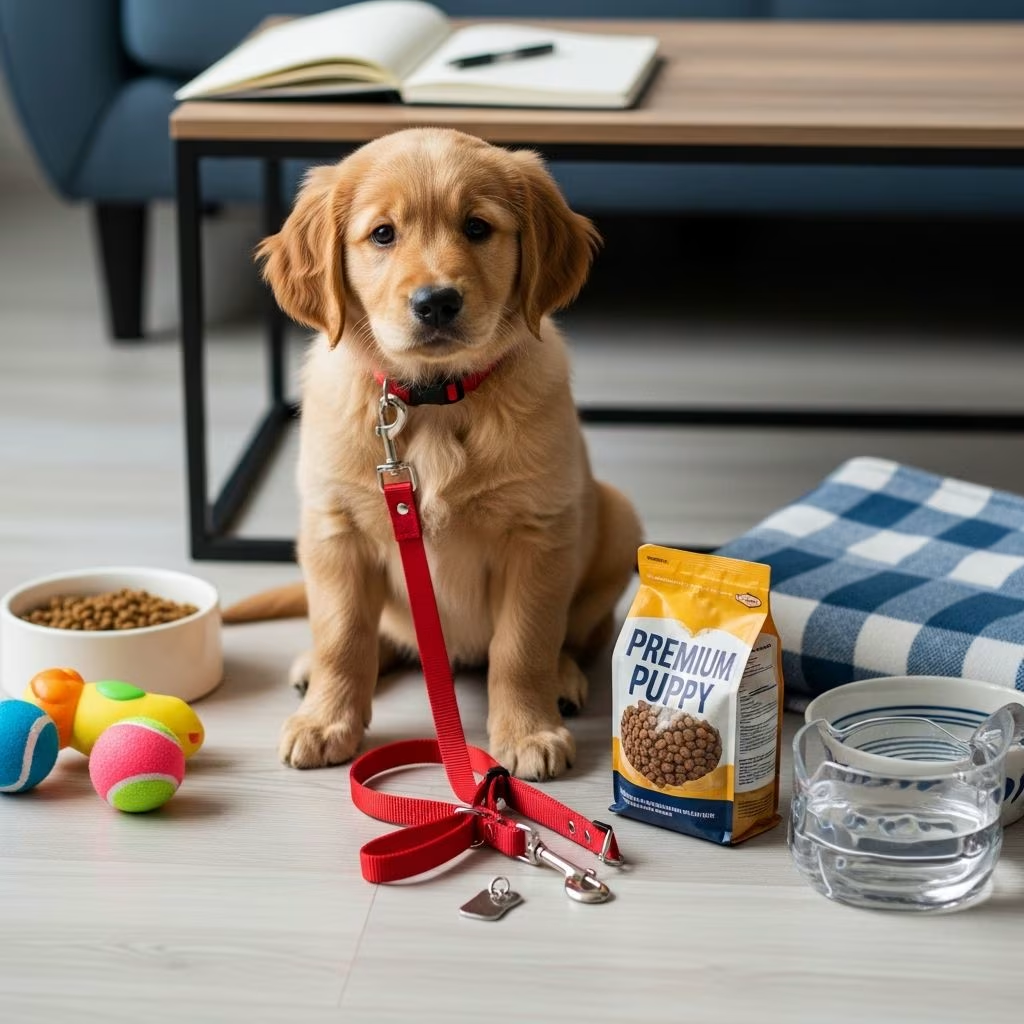
Congratulations on your decision to adopt a dog! Bringing a new canine companion into your home is an exciting milestone, but it also comes with significant responsibility. To ensure a smooth transition for both you and your new furry family member, proper preparation is essential. This comprehensive dog adoption checklist will guide you through every aspect of welcoming a dog into your home, from essential supplies to veterinary care and safety considerations.
Preparing Your Home for Your New Dog
Before your new dog arrives, creating a safe and welcoming environment is crucial. Your home should be a sanctuary where your pet can feel comfortable and secure while also protecting them from potential hazards.
Puppy-Proofing Your Space
Puppies are naturally curious and love to explore their surroundings, often getting into things they shouldn’t. One of your first priorities should be identifying and removing potential hazards. Move fragile, tippable, or potentially dangerous items like cleaning supplies, food, and medications to inaccessible locations where your puppy cannot reach them. Tuck electrical cords under carpeting and keep cords for blinds out of reach to prevent choking hazards or electrical injuries. Additionally, consider any furniture or cabinets that could be damaged by chewing or that might topple over if your puppy climbs on them.
Walk through each room of your home from a puppy’s perspective. Get down on the floor and look for small objects that could be choking hazards, such as coins, buttons, or small toys. Check for gaps under fences or gates where your dog might escape, and ensure that any potentially toxic plants are removed or placed in areas your dog cannot access.
Creating Safe Spaces
Your new dog needs a designated safe space where they can retreat, rest, and feel secure. This could be a crate, a specific room, or a designated corner with a comfortable bed. A crate serves multiple purposes: it provides your puppy with their own den-like space, aids in house-training, and keeps them safe when you cannot supervise them directly. Choose an appropriately sized crate—large enough for your dog to stand, turn around, and lie down comfortably, but not so large that they can eliminate in one corner and sleep in another.
Make the crate inviting by lining it with comfortable bedding and leaving the door open initially so your puppy can explore at their own pace. You can also place a shirt or blanket that smells like their previous home inside the crate to provide comfort during this transition period.
Essential Dog Supplies and Equipment
Successful dog ownership requires having the right supplies on hand before your new companion arrives home. Here’s what every new dog parent should have ready:
Feeding and Hydration Essentials
Quality food and water bowls are fundamental necessities for any dog. Choose bowls that are appropriately sized for your dog’s breed and age, as your puppy will likely need to transition to larger bowls as they grow. Stainless steel or ceramic bowls are preferable to plastic, as they are more durable, easier to clean, and less likely to harbor bacteria. Additionally, establish a consistent feeding schedule and ensure you have an adequate supply of high-quality dog food. Ask the shelter, rescue organization, or breeder what food your dog has been eating, as sudden dietary changes can cause digestive upset. If you plan to transition to a different food, do so gradually over several days by mixing increasing amounts of the new food with the old.
Collar, Leash, and ID Tags
A sturdy collar and leash are essential safety equipment for all dogs. Choose a collar sized appropriately for your dog’s breed and age. For puppies, an adjustable collar is best since they will grow quickly. You should be able to slip two fingers underneath the collar, but it should not be so loose that it can slip over your puppy’s head. Regularly examine the collar for condition and proper fit as your puppy grows.
ID tags are a critical component of your dog’s safety equipment. Your dog’s ID tag should include their name, your phone number, and the city where you live. If space allows, consider adding your full address, a note stating “Needs Meds” if your dog requires medication, or “Microchipped” if your dog has been microchipped. Depending on where you live, your dog may be required by law to wear an ID tag, so verify your local regulations.
Crate and Bedding
A quality crate is an investment in your dog’s safety and your peace of mind. Crates come in various styles, including wire crates, plastic airline-approved crates, and soft-sided crates. Choose one that is appropriately sized for your dog’s current size and their expected adult size if adopting a puppy. Include comfortable bedding such as blankets, pads, or orthopedic beds, especially if your dog is older or has joint issues. Line the crate with a towel or shirt that smells like home to provide comfort during the transition period.
Toys and Chew Items
Providing appropriate toys and chew items is essential for your dog’s mental stimulation and to redirect their natural chewing instincts. Puppies, in particular, need plenty of safe chew toys to explore with their mouths and to help relieve the discomfort of teething. Rotate toys regularly to maintain your dog’s interest and engagement. Ensure all toys are appropriately sized for your dog and do not have small parts that could become choking hazards.
Veterinary Care and Health Management
Establishing a relationship with a qualified veterinarian is one of the most important steps in dog ownership. Your veterinarian will be a crucial ally in supporting and maintaining your new dog’s health throughout their life.
Choosing the Right Veterinarian
Ask people you trust about which veterinarians they recommend. American Animal Hospital Association (AAHA)-accredited veterinary practices are usually a safe option. According to the AAHA, accredited vets have to regularly pass onsite evaluations based on more than 900 standards of veterinary care. When selecting a veterinarian, consider factors such as location, hours of operation, emergency services availability, and the veterinarian’s experience with your dog’s breed or any known health conditions.
First Veterinary Visit
Schedule a veterinary appointment as soon as possible after bringing your new dog home. If you can obtain the adoption records at or before adoption, bring them to this appointment for the veterinarian’s review. Your first visit serves several important purposes and typically includes the following:
- A comprehensive physical examination to assess your dog’s overall health
- Review of any available veterinary records from the shelter, rescue organization, or breeder
- Discussion of your dog’s medical history, including previous illnesses or injuries
- Assessment of your dog’s current vaccination status
- Evaluation of parasitic infections or infestations
- Discussion of age-appropriate preventative care
Bring all relevant documentation to this appointment, including vaccination records, heartworm test results, flea and tick prevention history, and any medications your dog has been taking. If you don’t have these records, your veterinarian can help you establish a baseline health assessment and recommend appropriate testing.
Preventative Health Care
Based on your dog’s history, records, and physical exam, your veterinarian will recommend a range of preventative care options. This typically includes a vaccination schedule tailored to your dog’s age and lifestyle, as well as flea, tick, and heartworm prevention medication. Your veterinarian may also offer nutritional guidance and recommend diagnostic testing appropriate for your dog’s age and breed. Some dogs may benefit from joint supplements or other health-supporting products, so discuss any vitamins or supplements you’re considering with your veterinarian to ensure they’re safe and effective for your specific dog.
Microchipping and Identification
Have your pet microchipped to keep them safe if they get lost. A microchip is a small, permanent form of identification implanted under your dog’s skin that can be scanned by veterinarians and animal shelters. Microchipping significantly increases the chances of being reunited with your dog if they become lost. Ensure that your microchip registration information is current and includes your correct contact details.
Training and Behavioral Preparation
Establishing good habits and appropriate behavior from the start will make your life with your new dog much more enjoyable. Different ages and backgrounds of dogs may require different training approaches.
House-Training Essentials
For puppies, house-training is a primary concern. Potty pads can be a valuable tool during this period, providing your puppy with an appropriate indoor elimination location and helping protect your floors. Establish a consistent routine for taking your puppy outside, especially after meals, naps, playtime, and before bedtime. Reward successful outdoor elimination with praise and treats to reinforce the desired behavior.
For adult rescue dogs, house-training may require patience as they adjust to their new environment. Establish a routine, supervise closely indoors, and reward outdoor elimination generously to help your dog understand the expectations.
Crate Training and Confinement
A crate serves as both a safe space and a training tool. Introduce your puppy to the crate gradually, making it a positive experience. Never force your dog into the crate or use it as punishment. With patience and positive reinforcement, your dog will learn to view the crate as a safe den where they can retreat and relax.
Safety Considerations and Emergency Preparedness
Being prepared for emergencies ensures you can respond quickly and effectively if something goes wrong. Emergency preparedness is an often-overlooked aspect of dog ownership but can be lifesaving.
Emergency Contacts and Services
Save a pet poison control hotline in your phone for quick access in case of accidental poisoning. Additionally, locate your nearest 24-hour emergency veterinary clinic and save their contact information. In many areas, emergency clinics operate during evenings, nights, and weekends when regular veterinary offices are closed. Knowing where to go and having their contact information readily available can save precious time in a genuine emergency.
Emergency Preparedness Planning
Make a pet emergency disaster plan that accounts for various scenarios, such as natural disasters, evacuations, or medical emergencies. Pack an emergency bag with your dog’s essentials, including several days’ worth of food, current medications, medical records, recent photos of your dog (useful for identification if they become lost), vaccination records, and comfort items like toys or blankets. Keep this emergency bag easily accessible so you can grab it quickly if needed.
Additional Services and Ongoing Care
Grooming Services
Find a groomer who can keep your dog’s hair and nails in order. Regular grooming is not just about appearance; it’s also important for your dog’s health and comfort. Proper nail maintenance prevents overgrowth that can cause pain and mobility issues, while regular bathing and brushing help maintain a healthy coat and skin. For breeds with continuously growing hair, regular professional grooming prevents matting and maintains coat health.
Training Support
Consider enrolling in obedience classes or working with a professional trainer, especially if you’re a first-time dog owner. Training provides mental stimulation, reinforces good behavior, and strengthens the bond between you and your dog. Patience and a well-structured training plan are crucial for raising a happy and well-behaved dog.
Frequently Asked Questions
Q: What should I bring to my dog’s first veterinary appointment?
A: Bring all available veterinary records from the shelter, rescue group, or breeder, including vaccination records, heartworm test results, flea and tick prevention history, any medications your dog has been taking, and a list of questions or concerns you may have about your new dog’s health.
Q: How do I know if a dog is in good health when adopting?
A: Look for clear, bright eyes with no redness or discharge; a cold, wet nose with no discharge; clean, odor-free ears with no signs of infection; clean and bright teeth with minimal tartar; a smooth, clean coat free from parasites; healthy pink or black skin with no sores; an overall sound structure with healthy legs and paws; and easy, free movement with no difficulty getting around.
Q: When should I take my new dog to the veterinarian?
A: Schedule a veterinary appointment as soon as possible after bringing your new dog home. This allows the veterinarian to establish a baseline health assessment and create an appropriate preventative care plan specific to your dog’s needs.
Q: What is the importance of microchipping my dog?
A: Microchipping significantly increases the chances of being reunited with your dog if they become lost. A microchip is a permanent form of identification that can be scanned by veterinarians and animal shelters, making it a valuable safety tool for your pet.
Q: What should I include on my dog’s ID tag?
A: At minimum, include your dog’s name, your phone number, and the city where you live. If space allows, add your full address, “Needs Meds” if applicable, or “Microchipped” to indicate additional identification methods.
Q: How do I choose the right size collar for my puppy?
A: Choose an adjustable collar since puppies grow quickly. You should be able to slip two fingers underneath the collar without it being so loose that it can slip over your puppy’s head. Regularly examine and adjust the collar as your puppy grows.
Q: What are the benefits of crate training?
A: Crate training provides a safe den-like space for your dog, aids in house-training by using natural instincts to avoid soiling their sleeping area, keeps your dog safe when you cannot supervise them directly, and facilitates transport in your vehicle.
References
- Dog Adoption Checklist: Everything New Dog Parents Need to Know — Chewy. 2023. https://www.chewy.com/education/dog/new-dog/pet-parenting-pet-lovers-dog-adoption-checklist-what-you-need-to-know
- New Puppy Must-Haves Checklist — Chewy. 2023. https://media-be.chewy.com/wp-content/uploads/2023/03/21184308/New-Puppy-Printables-Bundle.pdf
- How to Adopt a Dog: Practical Tips for Adopting a New Dog — Chewy. 2023. https://www.chewy.com/education/dog/new-dog/how-to-adopt-a-dog-what-you-need-to-know
- New Puppy Checklist: 9 Things You Need — Chewy. 2023. https://www.chewy.com/education/dog/new-dog/new-puppy-checklist-9-things-you-need-before-bringing-home-a-new-puppy
- Ultimate New Puppy and Dog Product Checklist — Chewy. 2023. https://www.chewy.com/education/dog/new-dog/new-dog-product-checklist-for-every-life-stage
- American Animal Hospital Association (AAHA) Standards — AAHA. 2024. https://www.aaha.org



