

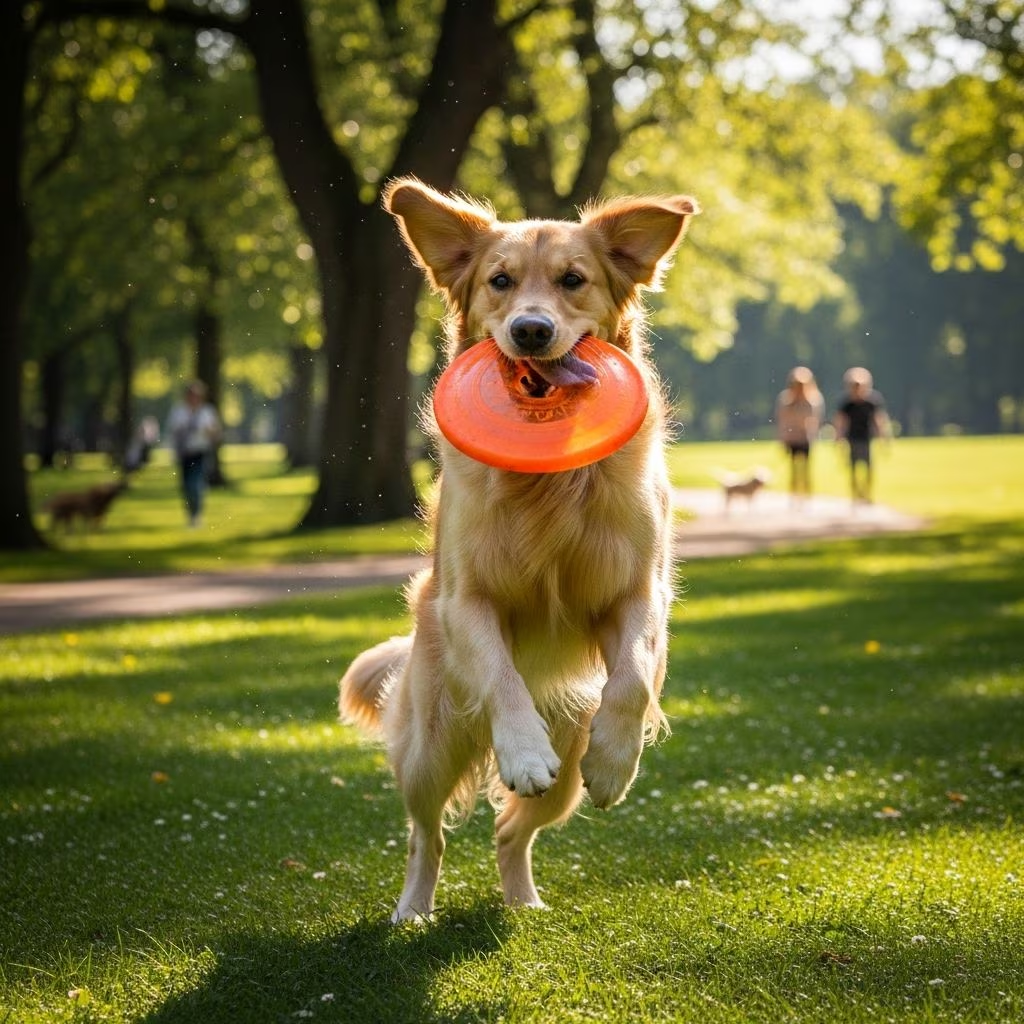
Physical activity forms the cornerstone of responsible pet ownership, yet many dog owners struggle to provide adequate movement and mental engagement for their companions. Understanding the importance of consistent activity and knowing how to incorporate diverse movement options into your dog’s daily routine can transform their overall well-being and strengthen your bond with them.
Understanding the Importance of Daily Movement for Canine Health
Dogs require regular physical activity to maintain optimal health across multiple dimensions of their lives. When dogs remain inactive, they face increased risks of obesity, cardiovascular problems, joint deterioration, and behavioral challenges that can strain both the dog and the household environment. Beyond the physical dimensions, movement serves as a critical outlet for mental energy that accumulates throughout the day.
The relationship between activity levels and overall longevity cannot be overstated. Dogs that maintain consistent exercise regimens coupled with proper nutrition demonstrate stronger immune function, reduced susceptibility to chronic illnesses, and significantly extended lifespans compared to their sedentary counterparts. This investment in your dog’s movement routine represents one of the most impactful health decisions you can make as a pet owner.
Physical Health Advantages Through Regular Movement
Consistent physical activity provides comprehensive benefits to your dog’s bodily systems. Cardiovascular strengthening occurs naturally through movement, as exercise increases blood flow, strengthens heart muscle, and improves oxygen distribution throughout the body. Dogs that engage in regular activity develop greater stamina and resilience against heart-related conditions.
Joint and muscle maintenance represents another crucial benefit, particularly as dogs age. Physical activity maintains flexibility in joints, lubricates cartilage, and preserves muscle tone that supports skeletal structure. Low-impact activities like swimming prove especially valuable for senior dogs or those with existing joint concerns, providing full-body conditioning without excessive stress on vulnerable areas.
Weight management becomes significantly easier when dogs receive adequate daily movement. Obesity in domestic dogs has reached epidemic proportions in many developed countries, contributing to diabetes, joint problems, and reduced quality of life. Regular activity burns calories and helps maintain healthy body composition throughout your dog’s life.
Digestive health improves through consistent movement as well. Exercise stimulates gastrointestinal function, promoting regular bowel movements and reducing discomfort associated with digestive sluggishness. This seemingly simple benefit often goes unnoticed but significantly impacts daily comfort and quality of life.
Mental and Behavioral Dimensions of Canine Activity
Movement provides far more than physical benefits—it profoundly influences your dog’s mental state and behavioral patterns. When dogs lack sufficient activity, they accumulate restless energy that often manifests as destructive behaviors including excessive barking, inappropriate chewing, compulsive digging, and aggression toward household items or inhabitants.
Exercise triggers the release of endorphins, natural neurochemicals that create feelings of contentment and reduced anxiety. This biological mechanism means that an active dog experiences genuine mood elevation during and following physical exertion. Dogs that receive adequate daily activity demonstrate noticeably calmer temperaments, improved focus during training sessions, and reduced anxiety-related behaviors.
Mental stimulation through varied activities keeps your dog’s mind sharp and engaged. Environmental exploration during walks exposes your dog to novel sights, sounds, and scents that provide constant cognitive input. This mental engagement prevents boredom-related behavioral problems and maintains cognitive function throughout your dog’s lifespan.
Diverse Walking Approaches and Variations
Walking represents the most accessible and fundamental form of canine activity, yet its potential extends far beyond simple neighborhood strolls. Understanding different walking approaches allows you to maximize mental and physical benefits while maintaining variety that keeps your dog engaged.
- Neighborhood exploration walks: Traditional routes through your local area provide baseline activity while allowing your dog to experience familiar territory with subtle daily variations.
- Environmental immersion walks: Visiting parks, nature trails, or different neighborhoods exposes your dog to novel sensory experiences that provide superior mental stimulation compared to repetitive routes.
- Scent-focused walks: Allowing extended sniffing time during walks provides significant cognitive enrichment, as dogs process the world primarily through olfaction.
- Structured pace walks: Incorporating intervals of brisk walking alternating with slower exploration creates cardiovascular conditioning while maintaining interest.
- Multi-dog social walks: Group walking activities provide both exercise and socialization, helping dogs develop confidence and appropriate interaction skills.
Interactive Play Activities for Home and Yard
Structured play sessions complement walking activities and provide opportunities for high-intensity movement that builds strength and cardiovascular capacity. These activities often prove especially valuable on days when weather conditions or time constraints limit outdoor excursions.
| Activity Type | Physical Intensity | Mental Engagement | Space Requirements | Best For |
|---|---|---|---|---|
| Fetch | High | Moderate | Medium-Large | Dogs with retrieval drive |
| Tug play | Moderate | Moderate | Small | Bonding and interactive play |
| Chase games | High | Moderate | Medium-Large | Young, energetic dogs |
| Swimming | High | Moderate | Pool or body of water | Senior dogs, joint concerns |
| Puzzle toys | Low | High | Small | Mental stimulation |
| Agility courses | High | High | Medium | athletic dogs, training focus |
Organizing Socialization Through Activity Participation
Exercise serves as an excellent vehicle for canine socialization, helping dogs develop appropriate interaction skills with other animals and people. Dogs that encounter varied social situations during activities demonstrate increased confidence and reduced anxiety in novel circumstances.
Organized activities such as dog sports, group classes, or community events create structured environments where your dog can interact with others under supervised conditions. Many dog owners discover that participation in shared activities builds their own community connections as well, as dog owners often form lasting friendships through their pets’ athletic pursuits.
Tailoring Activity Levels to Your Dog’s Life Stage
Activity requirements vary significantly based on your dog’s age and developmental stage. Puppies require frequent short movement sessions that build muscle and coordination without stressing developing joints, while adult dogs benefit from sustained daily activity. Senior dogs need modified activity that maintains mobility and muscle tone while respecting aging joints and reduced recovery capacity.
Young puppies should engage in play appropriate to their size and development, avoiding high-impact activities that stress immature skeletal systems. Multiple short play sessions throughout the day suit their limited attention spans and energy recovery needs better than extended activities.
Adult dogs in their prime years typically tolerate and benefit from more intense and sustained activity. This life stage offers opportunities to introduce varied activities, sports participation, and challenging environments.
Senior dogs require gentle, consistent movement to maintain muscle mass, joint flexibility, and cardiovascular function. Low-impact options like swimming or leisurely walks preserve mobility while minimizing stress on aging structures.
Adapting Activity to Breed Characteristics and Individual Temperament
Different breeds exhibit vastly different activity requirements based on their original purposes and genetic predispositions. Herding breeds and sporting dogs typically require more intense activity than companion breeds, while giant breeds need careful activity management to prevent joint strain despite lower energy levels.
Understanding your specific dog’s breed characteristics helps you design an activity program that matches their natural inclinations. A Border Collie thrives with mentally demanding activities, a Labrador Retriever excels with retrieval games, and a Bulldog benefits from moderate activity modified for respiratory considerations.
Incorporating Mental Enrichment During Physical Activity
The most effective activity programs combine physical exertion with cognitive engagement. Puzzle toys that require problem-solving, training sessions during play, and variable environments all provide mental stimulation alongside physical conditioning.
Interactive play where you participate directly strengthens your bond while providing mental engagement as your dog anticipates your movements and responds to your cues. This interactive quality distinguishes simple exercise from enriched activity that addresses both body and mind.
Safety Considerations for Active Dogs
While activity provides tremendous benefits, certain precautions ensure that exercise remains safe and sustainable throughout your dog’s life. Young dogs under approximately one year should avoid strenuous activities that stress developing skeletal systems, and very large breed puppies require particular caution to prevent joint injuries.
Weather conditions demand attention as well. Hot temperatures increase risks of heat exhaustion, while cold conditions can affect dogs with low body fat or sensitivity to cold. Monitoring your dog during outdoor activity for signs of discomfort ensures that environmental conditions don’t create health risks.
Post-activity observation helps identify potential problems early. If your dog shows persistent limping, reluctance to use a limb, excessive panting, or signs of pain, these warrant veterinary evaluation to rule out injuries or underlying conditions.
Creating a Sustainable Activity Routine
The most successful activity programs become integrated into daily life rather than remaining occasional projects. Establishing consistent timing for walks and play sessions helps your dog anticipate and enjoy these activities while ensuring they occur regularly.
Varying activities prevents boredom while addressing different aspects of fitness. A typical week might include several varied-pace walks, swimming sessions, interactive play, and potentially structured training or sports activities, depending on your dog’s interests and your available time and resources.
Consulting with your veterinarian helps establish an activity plan appropriate for your dog’s individual health status, age, and fitness level. Your veterinary team can identify any health considerations that should influence activity choices and monitor your dog’s fitness over time.
Frequently Asked Questions About Canine Activity
- How much daily activity does a typical adult dog require?
- Most adult dogs benefit from 30 to 60 minutes of daily activity, though requirements vary by breed, age, and individual temperament. Your veterinarian can recommend appropriate duration for your specific dog.
- Can exercise help manage my dog’s anxiety or behavioral problems?
- Yes, regular activity reduces stress hormones and provides healthy outlets for energy that might otherwise manifest as destructive or anxious behaviors. Combined with training and enrichment, exercise significantly improves behavioral outcomes.
- What activities work best for dogs with joint problems or arthritis?
- Low-impact activities like swimming, gentle walks, and controlled play protect joints while maintaining fitness. Your veterinarian can recommend specific activities appropriate for your dog’s condition.
- How can I increase my dog’s activity level safely if they’re currently sedentary?
- Gradual progression prevents injury and allows fitness to develop gradually. Begin with modest activity increases and allow your dog’s cardiovascular and muscular systems to adapt over weeks.
- Should I exercise my dog before or after meals?
- Allow time between meals and vigorous activity to reduce risks of gastric distension. Typically, waiting one to two hours after feeding before intense exercise represents a reasonable approach.
Prioritizing daily activity represents one of the most impactful decisions you can make for your dog’s long-term health, happiness, and longevity. Through varied movement options, mental engagement, and consistent participation in physical activities suited to your dog’s individual characteristics, you create the foundation for a vibrant, fulfilling life together. Your commitment to incorporating these activity strategies demonstrates genuine dedication to your role as a responsible and caring pet owner.
References
- 7 Benefits of Exercise for Dogs — Milwaukee Paws. 2024. https://milwaukeepaws.com/7-benefits-of-exercise-for-dogs/
- How Does Exercise Impact a Dog’s Physical and Mental Health? — Cainhoy Veterinary Hospital. 2024. https://www.cainhoyvet.com/how-exercise-impacts-dogs-physical-mental-health/
- Canine Fitness: Keeping Your Dog Active and Healthy — Express Vets Kennesaw. 2024. https://www.expressvetskennesaw.com/blog/canine-fitness-keeping-your-dog-active-and-healthy-express-vets-kennesaw
- The Benefits of Walking Your Dog — VCA Animal Hospitals. 2024. https://vcahospitals.com/know-your-pet/the-benefits-of-walking-your-dog
- Exercise – Canine Welfare Science — Purdue University College of Veterinary Medicine. 2024. https://caninewelfare.centers.purdue.edu/behavior/exercise/
- Exercise Benefits for Your Dog’s Breed & Age — Hill’s Pet Nutrition. 2024. https://www.hillspet.com/dog-care/play-exercise/dog-breed-age-exercise-needs



