

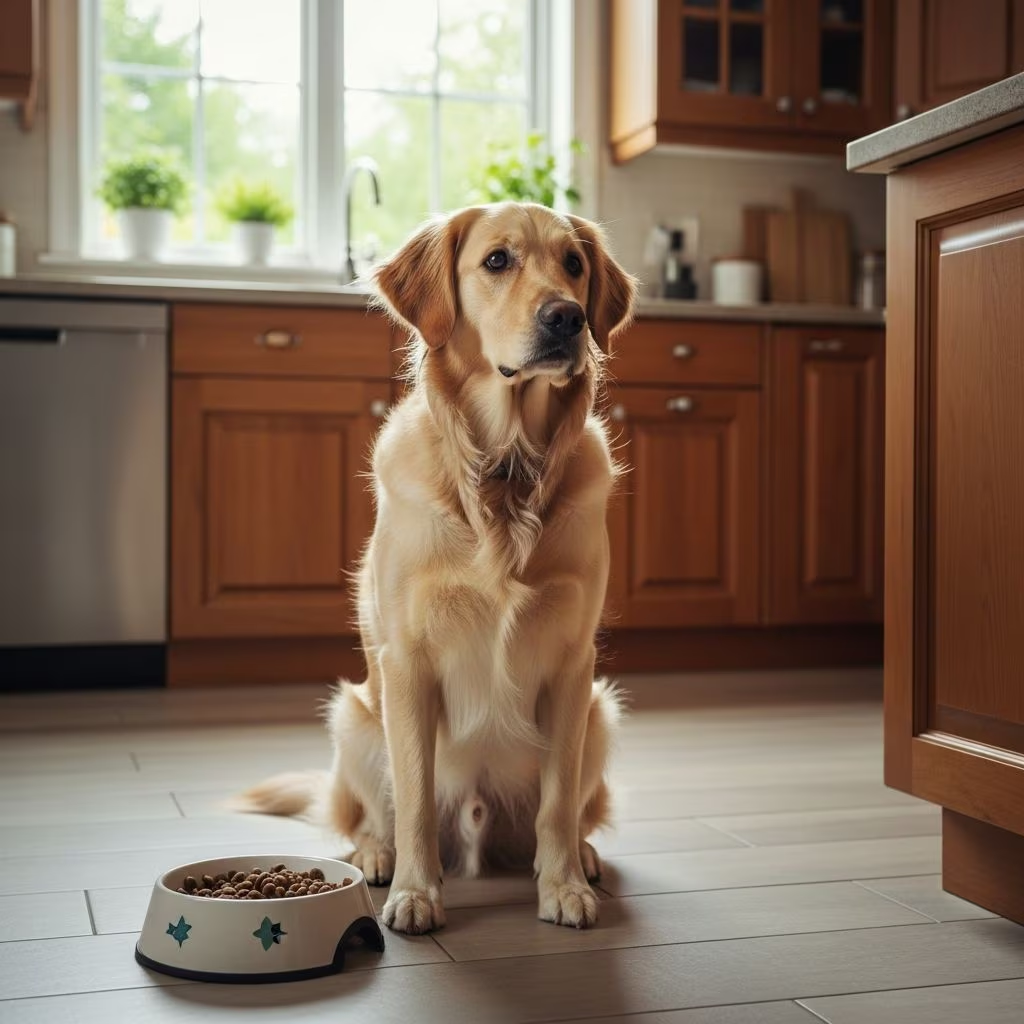
Your dog bounds around with energy, tail wagging, yet turns up their nose at dinner. This puzzling behavior—acting normal but not eating—worries many pet owners. While occasional meal skips happen, persistent refusal warrants attention to rule out underlying problems. This guide breaks down potential causes, from minor pickiness to serious health flags, and offers actionable steps to help your pup eat again.
Understanding Canine Appetite Dynamics
Dogs regulate hunger through brain signals, stomach stretch, and hormones like ghrelin and leptin. Disruptions in this system can lead to anorexia, a medical term for appetite loss unrelated to human eating disorders. Even healthy dogs might skip meals due to environmental shifts or food quality, but when behavior stays lively, subtle issues often hide beneath the surface.
Observe patterns: Is the refusal total or selective? Does it coincide with recent changes? Tracking these details helps pinpoint triggers before they escalate.
Common Medical Reasons Behind Refusal
Illness tops the list for dogs acting normal but not eating. Subtle symptoms mask deeper problems, tricking owners into complacency.
- Gastrointestinal Upsets: Conditions like gastritis, inflammatory bowel disease, or foreign object blockages cause nausea without obvious distress. Parvovirus in unvaccinated pups strikes fast, suppressing hunger early.
- Organ Dysfunction: Kidney disease, liver issues, or pancreatitis reduce appetite via toxin buildup or inflammation. Diabetic ketoacidosis in unmanaged cases mimics normal energy short-term.
- Cancer and Tumors: Gastrointestinal masses or lymphoma quietly erode interest in food, even as activity persists.
Dental woes rank high too. Pain from fractured teeth, gum disease, or abscesses makes chewing agony, yet dogs play fine. Signs include bad breath, drooling, or face pawing. Orthopedic pains like arthritis hinder bowl access without limping every time.
| Medical Cause | Key Signs | Action Needed |
|---|---|---|
| Dental Disease | Halitosis, drooling, reluctance to hard kibble | Vet dental exam |
| GI Issues | Occasional vomit, soft stool | Fasting then bland diet |
| Kidney/Liver | Increased thirst, subtle weight dip | Bloodwork immediately |
| Cancer | Gradual thinning despite playfulness | Full diagnostic workup |
Behavioral and Emotional Triggers
Stress mimics illness perfectly. Dogs hide discomfort, maintaining routines while internally unsettled. Major life shifts spark this:
- New household members, pets, or babies disrupt security.
- Moves, renovations, or guest influxes overload senses.
- Loss of companions—human or canine—triggers grief-like withdrawal.
- Schedule upheavals, like owner travel, breed separation anxiety.
Senior dogs face cognitive decline, forgetting hunger cues amid confusion. Puppies or finicky eaters test boundaries, especially if treats abound. Recent vaccines sometimes cause 24-48 hour malaise, passing unnoticed in playful pups.
Food and Environmental Culprits
Not every skip signals doom. Practical fixes abound:
- Picky Palates: Spoiled kibble, formula tweaks, or bowl distaste (too high/low) deter meals. Treat overload fills them up sneakily.
- Mealtime Mayhem: Noisy spots, competition with other pets, or rushed feeds sour experiences.
- Sensory Shifts: Cold food lacks aroma; dry kibble bores scent-driven noses.
Overfeeding creeps in via “helpful” family members doling extras, masking true hunger.
Step-by-Step Plan to Spark Appetite
Don’t panic immediately—healthy dogs withstand 2-3 day fasts, burning fat reserves. Beyond that, intervene systematically.
- Rule Out Spoilage: Sniff food; discard if off. Transition new brands gradually over 7-10 days.
- Enhance Appeal: Warm wet food slightly for scent boost. Add bone broth or toppers like plain pumpkin.
- Hand-Feed and Elevate: Build positive association; use raised bowls for comfort.
- Exercise First: Short walks prime hunger hormones pre-meal.
- Scheduled Feeds: Offer twice daily, remove uneaten after 15 minutes to build drive.
For stressed pups, pheromone diffusers or thunder shirts calm nerves. Puzzle toys turn eating into games.
Red Flags Demanding Vet Attention
Act fast if refusal pairs with:
- Vomiting, diarrhea, or blood in stool.
- Lethargy creeping in, even briefly.
- Weight loss, dehydration (skin tenting), or pale gums.
- Excessive thirst/urination or breathing woes.
- Refusal over 48 hours in puppies, seniors, or diabetics.
Diagnostics may include blood panels, X-rays, or ultrasounds to unmask hidden threats.
Breed and Age-Specific Insights
Small breeds like Chihuahuas crash faster from skips due to high metabolisms. Giants like Great Danes tolerate longer but risk bloat. Seniors battle multi-factorial losses; puppies need vigilant monitoring against hypoglycemia.
Preventive Strategies for Lifelong Enthusiasm
Proactive care keeps bowls empty:
- Annual dental cleanings and home brushing.
- Consistent routines minimize stress.
- Balanced diets sans excess treats (under 10% calories).
- Mental enrichment via training and toys.
- Regular vet checkups catch brewing issues.
Frequently Asked Questions
Will my dog starve if they skip one day?
No, healthy adults manage fine; monitor for persistence.
Is it okay to force-feed?
Avoid—causes aversion. Consult vet for syringe options if critical.
What home remedies work best?
Warmed, moistened food with safe toppers like yogurt or fish oil.
How long before vet for normal-acting dog?
48-72 hours max; sooner with any symptom.
Can medications cause this?
Yes, many have appetite side effects; review with vet.
Long-Term Monitoring Tips
Weigh weekly; photograph for coat/weight trends. Journal meals, stools, and energy. Apps track patterns, flagging drifts early. Nutrition consults tailor diets to life stages, preventing chronic fussiness.
Restoring appetite blends detective work, patience, and professional input. Your vigilant care ensures that playful pup devours dinners soon.
References
- 7 Reasons Why Your Dog Is Not Eating (and How to Help) — GoodRx. 2023. https://www.goodrx.com/pet-health/dog/not-eating
- Dog Not Eating? Possible Causes and Appetite Solutions — WebMD. 2023. https://www.webmd.com/pets/dogs/dog-not-eating-possible-causes-and-appetite-solutions
- Why Is My Dog Not Eating? Causes and What To Do — PetMD. 2024-01-15. https://www.petmd.com/dog/symptoms/why-my-dog-not-eating
- Why Is My Dog Not Eating? — East Sacramento Veterinary Center. 2023. https://www.eastsacvet.com/blog/why-is-my-dog-not-eating/
- Why is my dog not eating or drinking — Juno Vet. 2024. https://www.junovet.com/post/why-is-my-dog-not-eating-or-drinking



