

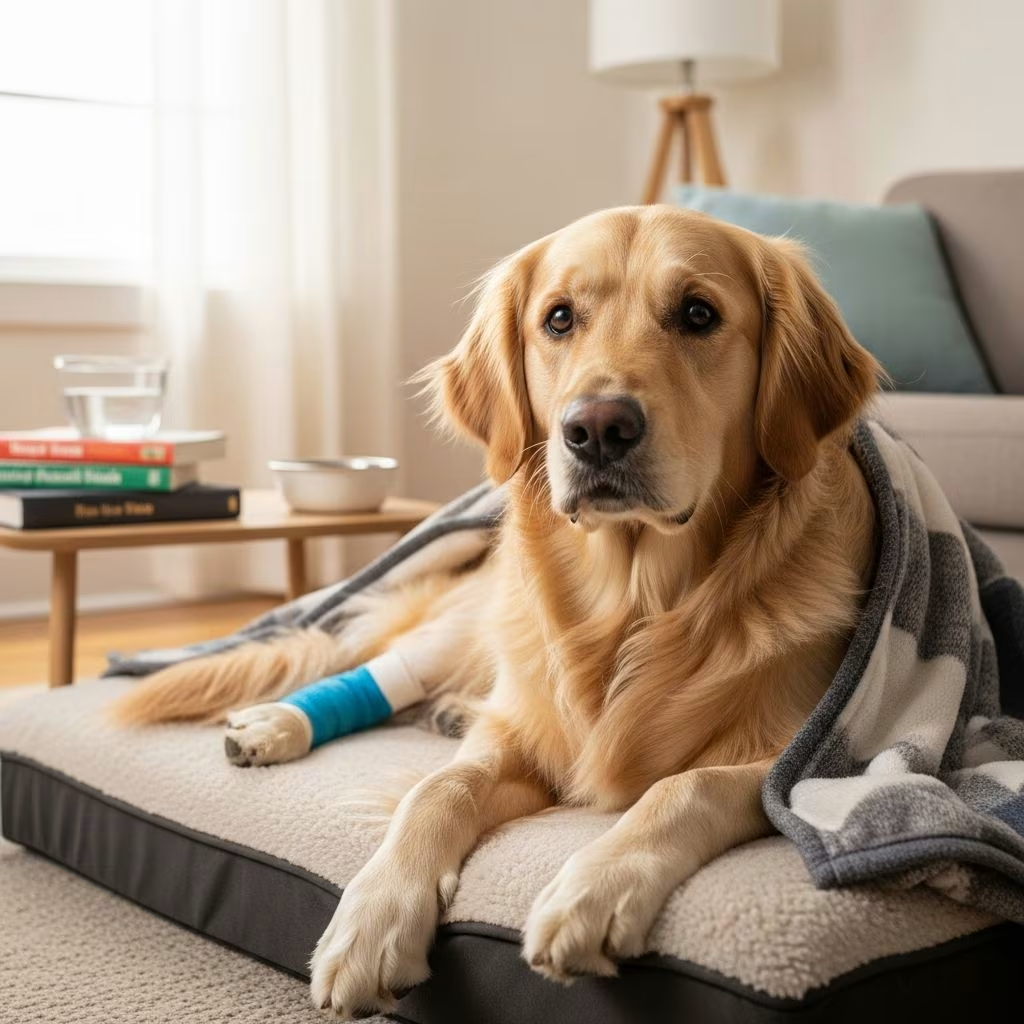
Recovering from ACL surgery, also known as CCL surgery in dogs, requires a structured approach to ensure proper healing and restore mobility. Full recovery typically spans 3 to 6 months, depending on the dog’s age, size, and adherence to veterinary guidelines. This guide outlines phases of care, exercises, monitoring, and long-term strategies.
Understanding Canine ACL Injuries and Surgery Basics
The anterior cruciate ligament (ACL), or cranial cruciate ligament (CCL) in veterinary terms, stabilizes the knee joint. Tears often result from trauma, obesity, or degenerative changes, causing limping, swelling, and instability. Surgical options include TPLO (Tibial Plateau Leveling Osteotomy), TTA (Tibial Tuberosity Advancement), or extracapsular repair, chosen based on dog size and activity level. Post-surgery, the focus shifts to protecting the repair while rebuilding strength to prevent osteoarthritis, a common long-term issue.
Immediate Post-Operative Care: First 48 Hours
The initial 24-48 hours post-surgery demand strict monitoring as anesthesia effects wear off. Dogs appear groggy and may experience nausea or disorientation. Keep them in a quiet, confined space like a crate to minimize movement. Administer prescribed pain medications and antibiotics promptly to control discomfort and infection risk. Monitor vital signs: normal temperature is 100-102.5°F; contact your vet if fever exceeds 103°F or if excessive panting occurs.
- Prevent licking: Use an Elizabethan collar or recovery suit.
- Limit activity: Carry or support for bathroom breaks using a sling under the hindquarters.
- Offer small, bland meals to avoid vomiting.
Incision sites should remain clean and dry; check daily for redness, discharge, or swelling.
Phase 1: Strict Confinement (Weeks 1-2)
Weeks 1-2 prioritize bone and tissue healing through crate rest. No off-leash activity; only short (5-10 minute) leash walks for elimination on flat surfaces. Your dog may bear minimal weight on the leg, often just toe-touching. Remove sutures around day 10-14 if non-absorbable. Continue pain management, transitioning from strong opioids to NSAIDs as directed.
| Daily Routine | Duration | Purpose |
|---|---|---|
| Leash walks | 5-10 min, 3-4x/day | Elimination only |
| Passive range of motion (PROM) | 5-10 min, 2x/day | Maintain joint flexibility |
| Crate rest | Remaining time | Prevent re-injury |
Perform gentle PROM exercises: Flex and extend the knee 10-20 times per session while your dog lies relaxed, stopping if painful. Weight management is crucial—overweight dogs face longer recoveries.
Phase 2: Controlled Activity Increase (Weeks 3-6)
By week 3, incisions heal, allowing gradual walk extensions to 15-20 minutes, 3x/day on flat ground. Introduce slight inclines in week 6 for balance training. Most dogs start partial weight-bearing. Begin professional rehab if recommended, focusing on muscle rebuilding to combat atrophy.
- Weeks 3-4: 15-20 min walks; figure-8 patterns for stability.
- Weeks 5-6: Up to 30 min walks; gentle hill walks (low incline, 5-10 reps).
Avoid stairs, jumping, or play. Monitor for limping or fatigue; reduce activity if present. Joint supplements like glucosamine may support cartilage health.
Phase 3: Strengthening and Rehab (Weeks 7-12)
Weeks 7-12 build endurance with 30-45 minute walks, including varied terrain. Incorporate targeted exercises under vet guidance. By week 10, supervised play resumes briefly. X-rays at 8 weeks confirm bone healing.
Recommended Exercises
- Hill walking: 10-15 min, moderate inclines to engage hindquarters.
- Balance boards: Stand for 30-60 sec to improve proprioception.
- Underwater treadmill: Low-impact conditioning (vet clinic).
- Sit-to-stand: 10 reps, 2x/day for quadriceps strengthening.
Progress based on gait improvement; full weight-bearing should occur by week 12.
Phase 4: Return to Normalcy (Months 3-6)
After 12 weeks, introduce off-leash activity cautiously, testing with short runs or fetches. Full recovery may take 4-6 months, especially for TPLO where bone remodeling continues. Ongoing management prevents contralateral CCL tears, affecting 50% of dogs.
- Month 3: 45-60 min walks; light agility.
- Months 4-6: Normal exercise with monitoring.
Maintain ideal weight via diet; consider orthotics for high-risk breeds.
Pain Management and Medication Protocols
Pain control enhances compliance. Multimodal therapy includes NSAIDs (e.g., carprofen), gabapentin for nerve pain, and opioids initially. Taper as mobility improves. Ice packs (10 min, 2-3x/day) reduce swelling in early weeks. Never use human meds without vet approval.
Nutrition and Supplements for Optimal Healing
A high-protein diet (25-30% protein) aids tissue repair. Omega-3 fatty acids combat inflammation; add fish oil per vet dosage. Joint formulas with MSM, chondroitin support long-term mobility. Portion control prevents weight gain during restricted activity.
Warning Signs and When to Call the Vet
Seek immediate care for:
- Non-weight bearing after week 2.
- Incision breakdown, pus, or foul odor.
- Lethargy, vomiting, or refusal to eat >24 hours.
- Swelling increase or heat at surgical site.
Regular check-ups at 2, 8, and 12 weeks track progress.
Physical Therapy: Professional vs. Home-Based
Rehab veterinarians use tools like laser therapy, acupuncture, and hydrotherapy for faster gains. Home programs suffice for many, but consult for custom plans. Consistency yields 20-30% better outcomes.
Preventing Future Injuries
Lifestyle changes reduce re-injury risk: annual joint exams, controlled exercise, neuter timing consideration (early neutering may increase CCL risk). Breeds like Labs and Rottweilers need proactive care.
FAQs
How long until my dog walks normally after ACL surgery?
Most bear full weight by 8-12 weeks, with normal gait by 3-4 months.
Can my dog go up stairs post-surgery?
No stairs for 8-12 weeks; use ramps thereafter.
Is crate rest necessary?
Yes, for 6-8 weeks to ensure 90% compliance and healing.
What if my dog tears the other ACL?
Common; manage weight and strength bilaterally.
Does age affect recovery?
Younger dogs heal faster; seniors may need 6+ months.
References
- How Long Should Dogs Rest After CCL Surgery? A Complete Recovery Timeline — AZ Vet Direct. 2023. https://azvet.direct/low-cost-pet-surgery-in-mesa-and-the-entire-southeast-valley-of-phoenix/how-long-should-dogs-rest-after-ccl-surgery-a-complete-recovery-timeline/
- Recovery Timeline for ACL Surgery in Dogs — Zoetis Petcare. 2024. https://www.zoetispetcare.com/blog/article/recovery-timeline-acl-surgery-dogs
- A Complete Timeline for Dog ACL Surgery Recovery: What to Expect — Lick Sleeve. 2023. https://www.licksleeve.com/blogs/news/dog-acl-surgery-recovery-week-by-week-timeline
- Sit, Stay, Heal: A Vet-Approved Guide to Dog ACL Surgery Recovery — Lakeville Vet. 2022. https://lakevillavet.com/?p=1912
- Dog ACL Surgery Recovery: A Week by Week Timeline — Paws and More Vet. 2023. https://pawsandmorevet.com.au/dog-acl-surgery-recovery-week-by-week/
- Dog CCL (ACL) Surgery: Cost and Recovery Timeline — PetMD. 2025-02-10. https://www.petmd.com/dog/procedure/acl-surgery-in-dogs
- From Surgery to Sprint: TPLO Recovery Timeline — Animal Outpatient Surgery. 2024. https://animaloutpatientsurgery.com/blog/from-surgery-to-sprint-tplo-recovery-timeline/



