

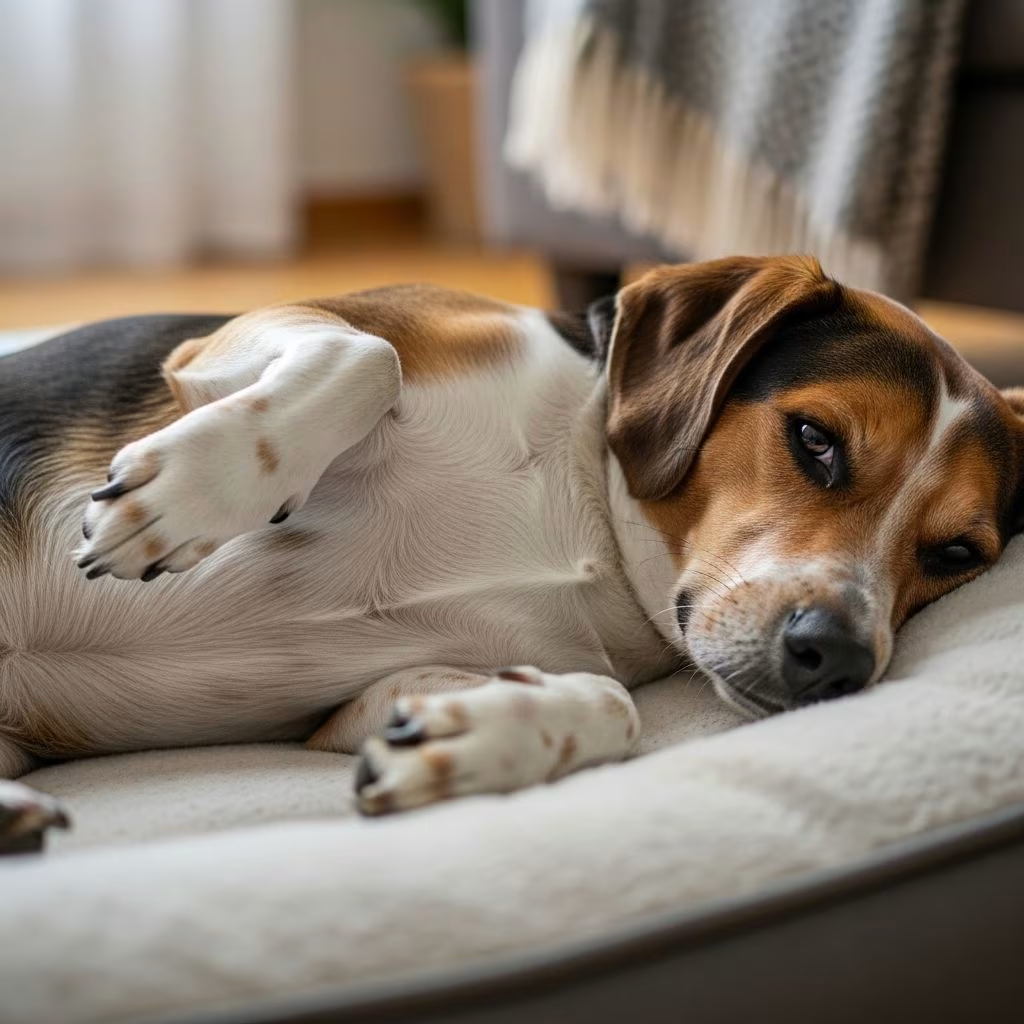
Dogs experiencing pain shortly after eating often display distress signals like whining, restlessness, or hunching, which can stem from various digestive problems. Identifying the root cause promptly is essential to prevent escalation into severe conditions.
Recognizing Distress Signals Post-Feeding
Observant owners notice subtle cues when their dog suffers abdominal discomfort after meals. Common indicators include vocalizing during or right after eating, adopting a hunched posture with the rear elevated, excessive lip licking, or reluctance to lie down comfortably. These behaviors suggest irritation in the gastrointestinal tract, potentially triggered by the act of digestion itself.
- Vocal complaints: Whining, yelping, or growling when the belly is touched or during movement.
- Posture changes: ‘Prayer position’ where front legs stretch forward while hindquarters remain raised to alleviate pressure.
- Behavioral shifts: Pacing, drooling excessively, or avoiding pressure on the abdomen.
- Appetite fluctuations: Eager eating followed by immediate regret, or gradual refusal of food.
These signs warrant attention, as they may indicate anything from mild indigestion to life-threatening blockages.
Primary Culprits Behind Post-Meal Discomfort
Several factors contribute to a dog’s pain after consuming food, often linked to what they eat, how they eat, or underlying health vulnerabilities. Dietary choices play a starring role, but infections and organ issues also factor in heavily.
Dietary Triggers and Indiscretions
One of the most frequent offenders is dietary indiscretion, where dogs scavenge garbage, table scraps, or fatty human foods. High-fat meals, like holiday leftovers, inflame the pancreas, leading to acute pain as digestion ramps up. Sudden food switches without gradual transition disrupt gut flora, causing cramping and bloating.
Allergies to proteins, grains, or fillers in commercial kibble provoke immune responses, manifesting as sharp pains during nutrient breakdown. Eating too rapidly introduces excess air, fostering gas buildup and distension.
Inflammatory and Infectious Conditions
Pancreatitis stands out as a painful inflammation of the pancreas, exacerbated post-meal due to enzyme release demands. Symptoms peak after fatty ingestions, with dogs showing fever, dehydration, and severe abdominal tenderness.
Gastroenteritis, involving stomach and intestinal inflammation, arises from bacteria like Campylobacter, viruses such as parvovirus, or parasites including Giardia. These pathogens irritate linings, intensifying pain as food passes through.
Structural and Chronic Issues
Foreign object ingestion, such as toys or socks, can cause partial obstructions, where peristalsis post-eating heightens pain from trapped material. Chronic ailments like inflammatory bowel disease (IBD) or gastritis lead to recurring episodes, with thickened gut walls resisting food passage.
In deep-chested breeds, gastric dilatation-volvulus (bloat) risks surge after meals, combining gas and twisting for excruciating distress.
Decoding Symptom Severity
Not all post-meal pains demand emergency care, but distinguishing mild from critical is key. Track frequency, intensity, and accompaniments like vomiting or fever.
| Symptom Level | Indicators | Action Needed |
|---|---|---|
| Mild | Occasional gurgling, soft stool, brief whining | Home monitoring, bland diet trial |
| Moderate | Repeated vomiting, diarrhea with mucus, lethargy | Vet consult within 24 hours |
| Severe | Bloody stools, persistent pain, dehydration signs (dry gums, sunken eyes), bloating | Immediate ER visit |
Blood in vomit or feces, unproductive retching, or collapse signal ulcers, intussusception, or incarceration, necessitating urgent intervention. Puppies, seniors, and large breeds face heightened risks due to immature or weakening systems.
Home Management Strategies for Mild Cases
For transient upset without red flags, supportive care can soothe the gut. Withhold food for 12-24 hours to rest the system, then introduce a bland diet of boiled chicken and rice in small, frequent portions.
- Hydration boost: Offer ice cubes or electrolyte solutions to combat dehydration.
- Probiotic support: Yogurt or vet-recommended supplements restore beneficial bacteria.
- Anti-nausea aids: Ginger tea (diluted) or over-the-counter options per vet guidance.
- Rest and warmth: Quiet space with a heating pad on low to ease cramps.
Monitor for improvement within 48 hours; persistence means professional evaluation.
Veterinary Diagnostics and Interventions
Professionals employ blood panels to check for pancreatitis markers, fecal exams for parasites, and imaging like ultrasounds or X-rays to detect obstructions or ulcers. Treatments vary:
- IV fluids for rehydration and electrolyte balance.
- Antibiotics or antiparasitics for infections.
- Pancreatitis protocols with pain meds and low-fat prescriptions.
- Surgery for blockages or bloat.
Chronic cases may require allergy testing, endoscopy for biopsies, or lifelong diets.
Preventive Measures for Digestive Wellness
Proactive habits minimize recurrence. Feed age-appropriate, high-quality diets sans fillers, transitioning slowly over 7-10 days. Use puzzle feeders to slow gulpers, and secure trash to curb scavenging.
Regular deworming, vaccinations against parvovirus, and annual checkups catch issues early. Limit fatty treats, favoring veggies like carrots for chews.
Special Considerations for At-Risk Dogs
Puppies demand vigilant monitoring post-weaning, as their systems adapt. Seniors benefit from senior formulas aiding digestion. Deep-chested giants need elevated bowls and post-meal walks sans vigorous play to avert bloat.
FAQs on Canine Post-Meal Pain
Why does my dog cry after eating?
This often signals gas, acid reflux, or pancreatitis flare-ups from recent meals.
Can food allergies cause immediate pain?
Yes, sensitivities provoke rapid inflammation during digestion.
When is vomiting after eating an emergency?
If frequent, bloody, or with bloating/lethargy, seek help immediately.
Is rice good for dogs with stomach pain?
Boiled white rice in a bland mix aids settling upset stomachs short-term.
How to stop a dog from eating too fast?
Slow-feed bowls or portioning into multiple daily meals prevent air swallowing.
Long-Term Outlook and Monitoring
Most acute episodes resolve with care, but recurrent pain hints at allergies or IBD needing management. Track meals, symptoms in a journal for vet discussions. Early action preserves quality of life, keeping tails wagging pain-free.
References
- Upset Stomach In Dogs: Causes, Remedies, and When to Worry — Halo Collar. 2023. https://www.halocollar.com/blog/dog-health/upset-stomach-in-dogs/
- What to Do If Your Dog Has an Upset Stomach — Spot & Tango. 2023. https://www.spotandtango.com/blog/upset-stomach-in-dogs
- Disorders of the Stomach and Intestines in Dogs — Merck Veterinary Manual. 2024-02-01. https://www.merckvetmanual.com/dog-owners/digestive-disorders-of-dogs/disorders-of-the-stomach-and-intestines-in-dogs
- Gastroenteritis (stomach upset) in dogs — PDSA. 2024. https://www.pdsa.org.uk/pet-help-and-advice/pet-health-hub/conditions/gastroenteritis-stomach-upset-in-dogs
- Upset Stomach in Dogs: Signs and What To Do — PetMD. 2024. https://www.petmd.com/dog/conditions/digestive/upset-stomach-dogs
- What Are the Symptoms of Dog Pancreatitis? — ASPCA Pet Insurance. 2023. https://www.aspcapetinsurance.com/resources/dog-pancreatitis/
- When To See A Veterinarian For A Dog’s Stomach Ache — Texas A&M VMBS. 2023. https://vetmed.tamu.edu/news/pet-talk/dogs-stomach-ache/



