

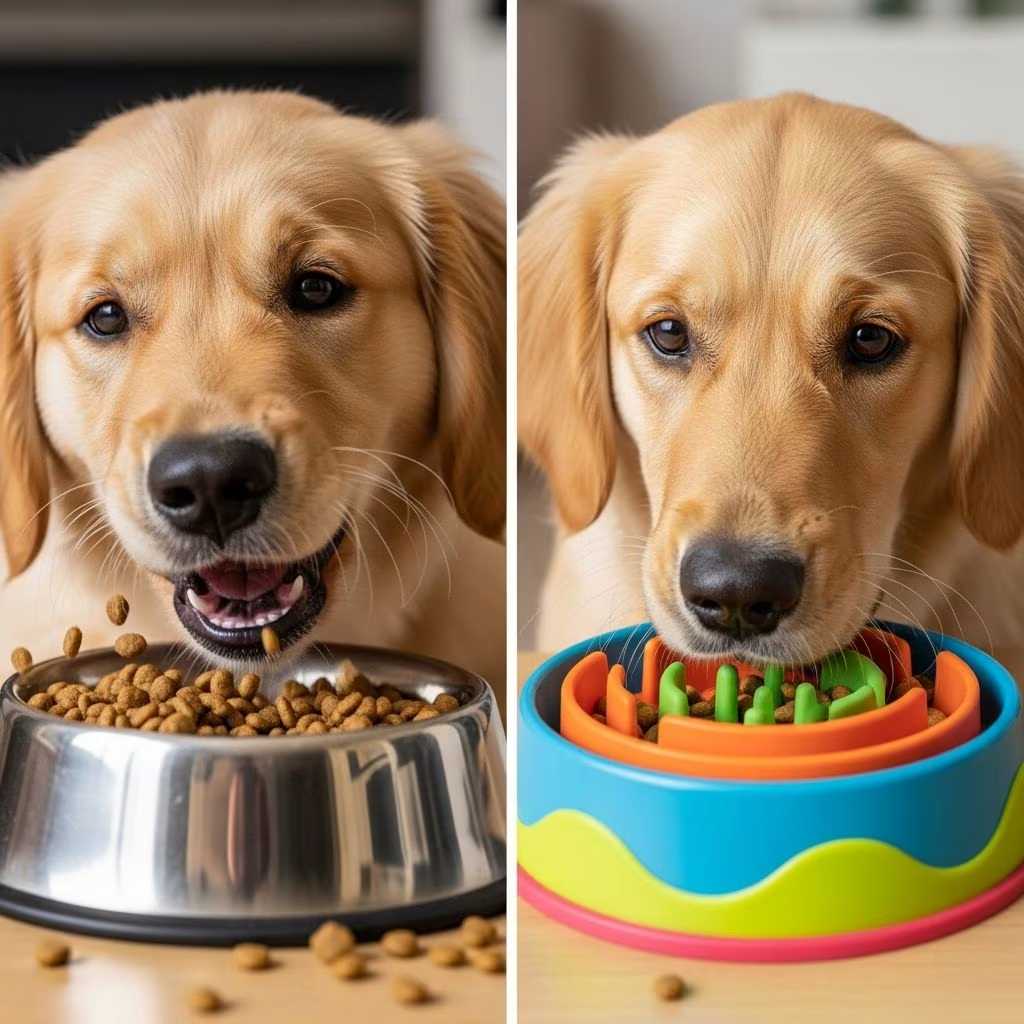
Does Your Fast Eater Need a Slow Feeder Bowl?
If you’ve ever watched your dog eat and wondered if they even chew their food, you’re not alone. Many pet owners observe their dogs consuming meals at alarming speeds, seemingly inhaling their food rather than actually eating it. This rapid eating behavior can lead to various health and behavioral issues, from digestive problems to choking hazards. The good news is that there’s a practical solution: slow feeder bowls. These specially designed bowls are engineered to slow down your dog’s eating pace, turning mealtime into a more mindful and beneficial experience.
Understanding Fast Eating in Dogs
Fast eating, also known as bolting, is a common behavior in dogs that can stem from multiple sources. Some dogs have naturally fast metabolisms or competitive eating instincts, while others may have experienced food scarcity in the past, leading them to eat quickly out of anxiety. Rescue dogs, in particular, may exhibit this behavior due to previous food insecurity. Understanding why your dog eats quickly is the first step toward addressing the issue. Regardless of the cause, rapid eating can pose significant health risks that shouldn’t be ignored.
The Health Risks of Fast Eating
When dogs eat too quickly, they don’t properly chew their food, leading to several serious health complications. Let’s explore the primary risks associated with fast eating:
Bloating and Gastric Dilatation-Volvulus (GDV)
One of the most serious consequences of fast eating is bloating, which can escalate to a life-threatening condition called gastric dilatation-volvulus (GDV). When dogs eat rapidly, they swallow excessive amounts of air along with their food. This air accumulates in the stomach, causing it to distend and potentially twist, cutting off blood supply. Bloat can be particularly dangerous for large, deep-chested breeds and may require emergency surgical intervention. Fast eating creates the perfect environment for this condition to develop.
Choking and Vomiting
Gulping food down without proper chewing increases the risk of choking. Dogs may swallow food that’s too large or improperly prepared, leading to airway obstruction. Additionally, rapid eating often leads to vomiting as the digestive system becomes overwhelmed and irritated by the sudden influx of unchewed food.
Poor Digestion and Nutrient Absorption
Proper digestion begins in the mouth with chewing. When dogs skip this crucial step, their digestive system struggles to break down food effectively. This results in incomplete nutrient absorption and potential gastrointestinal discomfort. The stomach and intestines work harder to process whole pieces of food, leading to indigestion and other digestive issues.
What Are Slow Feeder Bowls?
Slow feeder bowls are specially designed feeding dishes with built-in obstacles that force dogs to eat more slowly and deliberately. These bowls feature various designs, including maze patterns, raised ridges, and plastic obstacles strategically placed throughout the bowl. The design forces your dog to navigate around these barriers to access their food, significantly reducing the amount they can consume in a single bite.
How They Work
The mechanism behind slow feeder bowls is straightforward but effective. Instead of scooping up a large mouthful of food in seconds, your dog must work around the obstacles to extract smaller portions. This process slows down eating dramatically, encouraging more thorough chewing and allowing your dog’s brain to register fullness signals. The interactive nature of the bowl transforms mealtime from a race into a deliberate, mindful eating experience.
The Benefits of Slow Feeder Bowls
Improved Digestion
By encouraging smaller bites and thorough chewing, slow feeder bowls significantly improve your dog’s digestive process. The food reaches the stomach in smaller, more manageable portions, allowing digestive enzymes to work more effectively. This improved digestion translates to better nutrient absorption, meaning your dog gets more value from their meals. A well-functioning digestive system also reduces gas, bloating, and other gastrointestinal discomforts.
Reduced Risk of Bloat
One of the primary benefits of slow feeder bowls is their effectiveness in preventing bloat. By reducing the amount of air your dog swallows while eating, these bowls help prevent the stomach distension that leads to bloating and potentially fatal GDV. This benefit is especially crucial for breeds predisposed to bloat, including Great Danes, German Shepherds, and Boxers.
Prevention of Choking and Vomiting
The forced slower eating pace and smaller bite sizes dramatically reduce choking hazards. Your dog has less opportunity to swallow inappropriately sized pieces of food, and the regulated eating pattern prevents the stomach irritation that triggers vomiting. This is particularly beneficial for puppies who are still learning proper eating etiquette and for dogs recovering from digestive issues.
Weight Management
Slow feeder bowls contribute to healthy weight management by allowing your dog’s satiety signals to function properly. When dogs eat slowly, their brains have time to register fullness before they’ve consumed excessive amounts. This natural appetite regulation helps prevent obesity and supports weight loss efforts without requiring portion restriction alone. The extended mealtime also creates a greater sense of satisfaction from smaller portions.
Mental Stimulation and Enrichment
Beyond physical health benefits, slow feeder bowls provide valuable mental stimulation. Mealtime becomes an interactive puzzle that engages your dog’s mind. This cognitive engagement is especially beneficial for intelligent breeds and dogs prone to boredom or anxiety. The mental challenge of navigating the bowl’s design provides enrichment that can reduce destructive behaviors and anxiety-related issues. For dogs left alone during the day, this enrichment during mealtimes offers important stimulation.
Behavioral Improvements
Slow feeder bowls can help reduce anxiety around feeding time, particularly beneficial for rescue dogs with food insecurity issues. The structured eating process creates a calmer mealtime routine, and the mental engagement can reduce negative behaviors resulting from boredom. Dogs learn to approach eating as an enjoyable activity rather than a competitive or anxious experience.
Potential Drawbacks and Considerations
Adjustment Period and Frustration
Not all dogs immediately adapt to slow feeder bowls. Some fast eaters may initially become frustrated with the maze-like design, leading to stress during mealtime. This frustration can be particularly pronounced in rescue dogs who associate quick eating with survival. The adjustment period varies by dog, and patience is essential during the introduction phase.
Limited Effectiveness Over Time
Research indicates that while slow feeder bowls effectively reduce eating speed initially, dogs can become quicker with experience. They learn to navigate the obstacles more efficiently, though they typically still eat slower than they would with a standard bowl. This means the bowls remain beneficial but may require occasional reassessment or bowl rotation to maintain maximum effectiveness.
Potential for Continued Air Swallowing
While slow feeder bowls significantly reduce air intake, some determined fast eaters may still manage to swallow air, especially if they’re eating out of frustration or anxiety. This means the bowls are a helpful tool but not a complete guarantee against bloat, particularly for highly prone breeds. They work best as part of a comprehensive bloat prevention strategy.
Maintenance and Cleaning
The ridges and obstacles in slow feeder bowls can trap food particles and require more thorough cleaning than standard bowls. Wet food, in particular, can get stuck in crevices, making sanitation more challenging. Regular and careful cleaning is necessary to prevent bacterial growth and maintain your dog’s health.
Choosing the Right Slow Feeder Bowl
Size Considerations
Slow feeder bowls come in various sizes, and selecting the correct one for your dog is crucial. A bowl that’s too small will be ineffective and frustrating, while one that’s too large may not adequately slow down eating. Consider your dog’s breed, size, and the typical portion size they consume. Most manufacturers provide size recommendations based on dog weight and breed.
Design Types
Different slow feeder designs work better for different dogs and food types. Maze-style bowls with complex patterns are ideal for dry kibble but can be challenging to clean with wet food. Bowls with raised ridges offer a simpler design that works with both wet and dry foods. Some dogs prefer certain designs over others, so understanding your dog’s preferences and your feeding routine will help you choose effectively.
Material Quality
Look for slow feeder bowls made from durable, non-toxic materials that are safe for dogs and easy to clean. Stainless steel and high-quality food-grade plastics are common options. Ensure any bowl you choose is free from sharp edges or small parts that could become hazards.
How to Introduce Your Dog to a Slow Feeder Bowl
Start Gradually
Don’t simply swap your dog’s regular bowl for a slow feeder immediately. Instead, introduce the new bowl gradually to minimize stress and frustration. Begin by using the slow feeder bowl for just one meal a day or every other meal, allowing your dog to acclimate to the new eating experience at their own pace. This gradual approach prevents anxiety and gives your dog time to figure out how to navigate the obstacles.
Monitor Your Dog’s Response
Watch how your dog reacts to the slow feeder bowl. Some dogs quickly understand how to use it and even enjoy the challenge, while others may show signs of frustration or stress. If your dog becomes overly anxious or refuses to eat from the slow feeder, take a step back and try a different approach or design. Mealtime should be positive, not stressful.
Track Eating Habits
Pay attention to how much your dog is eating and their overall health after introducing the slow feeder bowl. Monitor their weight, energy levels, and digestive health. Keep notes on any changes in bowel movements, gas, or other digestive symptoms. This information helps you assess whether the slow feeder bowl is working effectively for your individual dog.
Be Patient
Some dogs take longer to adjust to slow feeder bowls than others. Patience is essential, as forcing the transition too quickly can create negative associations with mealtime. Allow several weeks for your dog to fully adapt before determining whether the slow feeder is the right solution.
Is a Slow Feeder Bowl Right for Your Dog?
Dogs That Benefit Most
Slow feeder bowls are particularly beneficial for:
– Dogs with a history of fast eating or bloating- Large, deep-chested breeds predisposed to GDV- Rescue dogs with food insecurity issues- Flat-faced breeds like Pugs and French Bulldogs prone to digestive problems- Dogs prone to vomiting or regurgitation- Overweight dogs needing better appetite regulation- Highly intelligent or bored dogs needing mental stimulation- Dogs recovering from digestive health issues
When to Reconsider
While slow feeder bowls are beneficial for most dogs, some situations may call for alternative approaches:
– If your dog becomes extremely stressed or anxious with the bowl- If your dog refuses to eat from the slow feeder after an extended trial period- If your dog has extreme food anxiety that the slow feeder exacerbates- If your dog has mobility issues that make navigating the obstacles difficult
Complementary Bloat Prevention Strategies
While slow feeder bowls are effective tools, they work best as part of a comprehensive approach to preventing bloat and promoting healthy eating. Consider these additional strategies:
– Feed multiple smaller meals throughout the day rather than one large meal- Avoid raised food bowls, which can increase air intake- Limit vigorous exercise immediately before and after meals- Keep your dog calm during mealtimes- Consult your veterinarian about your dog’s individual bloat risk- For high-risk breeds, discuss preventative measures with your vet
Frequently Asked Questions
Q: Can I use a slow feeder bowl with wet food?
A: Yes, many slow feeder bowls work with both wet and dry food. However, designs with ridges rather than complex mazes tend to be easier to clean with wet food. Choose a design that suits your feeding routine and clean thoroughly after each meal.
Q: At what age can puppies start using slow feeder bowls?
A: Puppies can use slow feeder bowls once they begin eating solid food, though you should choose an appropriately sized bowl for their size. Introduce it gradually as with adult dogs, ensuring the bowls don’t cause stress during this critical developmental period.
Q: Do vets recommend slow feeder bowls?
A: Yes, veterinarians frequently recommend slow feeder bowls as an effective tool for promoting healthy eating habits, improving digestion, and reducing risks like bloating and choking. They’re considered an evidence-based approach to addressing fast eating behaviors.
Q: How long does it take for a dog to adjust to a slow feeder bowl?
A: Adjustment time varies by dog. Some adapt within a few days, while others may take several weeks. Gradual introduction and patience help speed the process. If your dog hasn’t adjusted after 3-4 weeks, try a different bowl design or consult your veterinarian.
Q: Will a slow feeder bowl reduce my dog’s eating speed permanently?
A: Slow feeder bowls effectively slow eating speed, though dogs may become faster with practice. They typically continue to eat slower than with a regular bowl even after becoming accustomed to the design.
Q: Are slow feeder bowls safe for all dog breeds?
A: Slow feeder bowls are safe for most dogs when properly sized and introduced correctly. However, dogs with severe mobility issues or extreme food anxiety may need alternative approaches. Always consult your veterinarian if you have concerns about your individual dog.
Conclusion
If your dog is a fast eater, a slow feeder bowl could be a game-changer for their health and wellbeing. These bowls address the significant risks associated with rapid eating while providing the added benefit of mental stimulation and enrichment. By forcing dogs to slow down and chew properly, slow feeder bowls promote better digestion, reduce the risk of dangerous conditions like bloat, and contribute to overall improved health. While the adjustment period requires patience and some dogs may initially resist, the long-term benefits often justify the effort. Combined with other preventative strategies and veterinary guidance, slow feeder bowls represent an evidence-based, practical solution for managing fast eating behaviors and supporting your dog’s nutritional health and mental wellbeing.
References
- The Science Behind Slow Feeders: Improve Your Dog’s Eating Habits — Yomp. 2024. https://shopyomp.com/blogs/magazine/the-science-behind-slow-feeders-how-they-improve-your-dog-s-eating-habits
- Vet-Approved Benefits of Slow Feeder Dog Bowls — PetsCare.com. 2024. https://www.petscare.com/news/faq/do-vets-recommend-slow-feeders
- Slow Feeder Dog Bowl: Pros And Cons — Hiddin. 2024. https://shophiddin.com/blogs/news/slow-feeder-dog-bowl-pros-and-cons
- How Do Slow Feeder Dog Bowls Work — Lords and Labradors. 2024. https://www.lordsandlabradors.co.uk/blogs/journal/how-do-slow-feeder-dog-bowls-work
- What is the Point of a Slow Feeder? Are Slow Feeders Good for Mental Stimulation — Shop Dogged. 2024. https://shopdogged.com/blogs/news/what-is-the-point-of-a-slow-feeder-are-slow-feeders-good-for-mental-s
- Go Slow Feeding Bowls: How Effective Are They at Getting Dogs to Eat Slower? — Veterinary Evidence. 2019. https://veterinaryevidence.org/index.php/ve/article/view/71



