

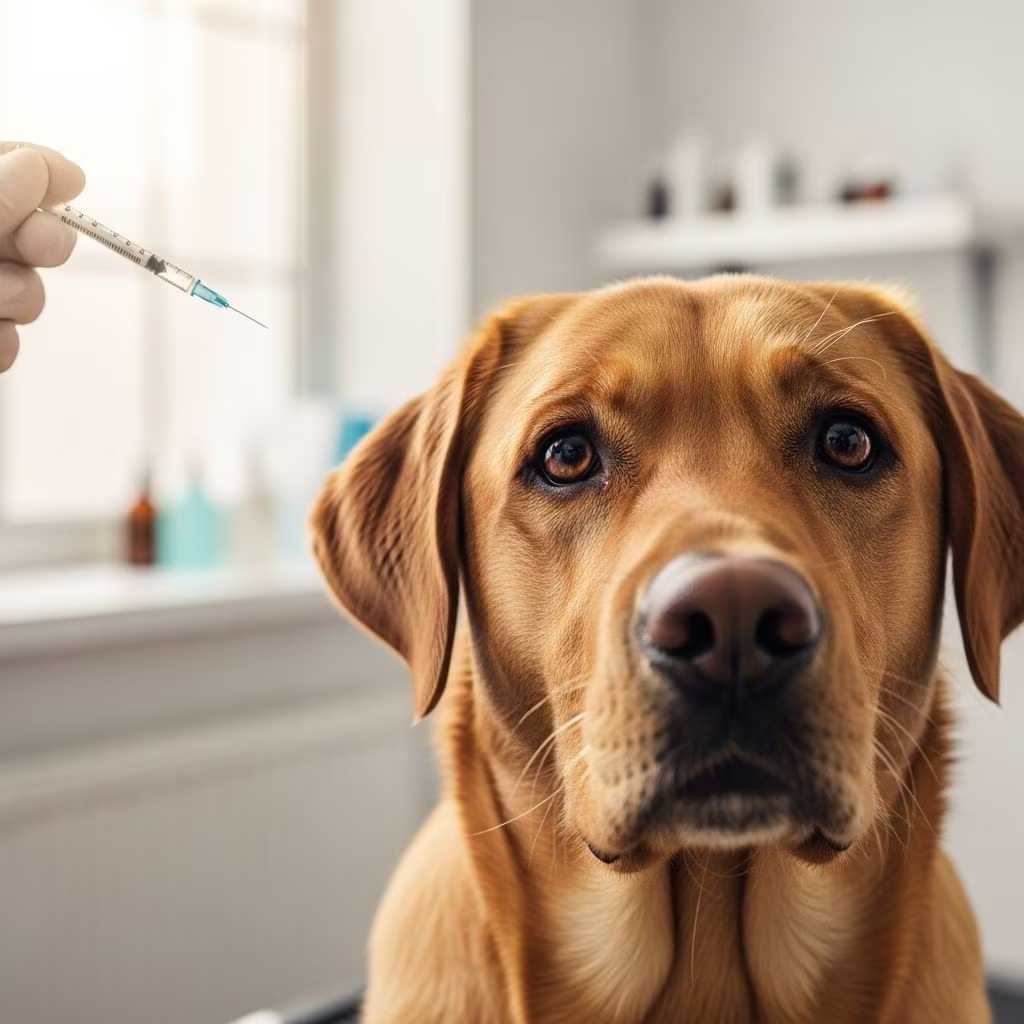
Does Your Dog Need the Lyme Vaccine?
Lyme disease is a serious bacterial infection that affects thousands of dogs across the United States each year. Caused by the bacterium Borrelia burgdorferi, Lyme disease is transmitted through the bite of infected blacklegged ticks, also known as deer ticks or Ixodes ticks. These ticks are commonly found in wooded areas and tall grasses throughout many regions of the country, particularly in the northeastern and midwestern states. As a responsible pet owner, understanding whether your dog needs the Lyme vaccine is crucial for protecting their long-term health and wellbeing.
The decision to vaccinate your dog against Lyme disease should be based on several factors, including your geographic location, your dog’s lifestyle, and their individual health profile. While vaccination is an important preventive tool, it is not the only defense against this potentially serious disease. A comprehensive approach combining vaccination with rigorous tick prevention measures offers the best protection for your canine companion.
Understanding Lyme Disease in Dogs
Lyme disease in dogs can range from asymptomatic infection to severe, debilitating illness. Many dogs exposed to the bacteria develop antibodies but never show clinical signs of disease. However, when Lyme disease does manifest, it typically presents as Lyme arthritis, characterized by lameness, joint pain, and swelling. In more serious cases, dogs may develop Lyme nephritis, a kidney disease that can be fatal if left untreated.
The severity of Lyme disease varies significantly among dogs. Some dogs may experience mild, intermittent lameness, while others develop chronic joint problems that severely impact their quality of life. In extreme cases, the disease can cause kidney failure, cardiac events, and neurological problems. Young puppies, senior dogs, and certain breeds may be at higher risk for severe complications from Lyme disease.
What Does the Lyme Vaccine Do?
The Lyme vaccine works by stimulating your dog’s immune system to recognize and combat Borrelia burgdorferi before infection occurs. The vaccine is ideally administered before a dog is bitten by an infected tick, allowing the immune system to mount a rapid response if exposure occurs. However, vaccinating dogs who have already been exposed to the disease can also be beneficial by helping to prevent reinfections and reducing the severity of clinical signs.
It is important to understand that the Lyme vaccine is a lifestyle vaccine, meaning it is recommended based on your dog’s specific lifestyle and risk factors rather than being universally required. The vaccine is most appropriate for dogs with regular exposure to areas where blacklegged ticks are present.
Vaccine Efficacy and Limitations
The Lyme vaccine prevents serious illness in approximately 70-80% of vaccinated dogs. However, the vaccine is not 100% effective. While the shot significantly reduces the risk that a dog will develop Lyme disease, it cannot eliminate this risk entirely. The duration of immunity varies, typically lasting anywhere from 6 months to one year, requiring annual boosters to maintain protection.
Additionally, the Lyme vaccine provides protection only against Lyme disease. It does not protect against other tick-borne diseases such as ehrlichiosis or Rocky Mountain spotted fever. This limitation underscores the critical importance of maintaining year-round flea and tick prevention measures regardless of vaccination status.
Factors to Consider When Deciding on Vaccination
Several key factors should guide your decision about whether your dog needs the Lyme vaccine:
Geographic Location
If you live in a region where blacklegged ticks are endemic, your dog faces a significantly higher risk of Lyme disease exposure. Dogs in high-risk areas should be strongly considered for vaccination. If you live in areas where deer ticks are uncommon or absent, the vaccine may offer less benefit.
Outdoor Exposure and Lifestyle
Dogs who spend considerable time outdoors, particularly in wooded or grassy areas, face greater exposure to infected ticks. This includes dogs who accompany their owners on camping trips, hiking adventures, or live on properties with woods and tall grasses nearby. These high-risk dogs benefit most from Lyme vaccination. Conversely, dogs that spend most of their time indoors or in urban environments with minimal outdoor exposure have lower risk and may not require the vaccine, particularly if maintained on consistent flea and tick prevention.
Individual Health Considerations
Your dog’s age, breed predisposition, and overall health status should be discussed with your veterinarian. Certain breeds may be genetically predisposed to conditions that could be complicated by Lyme infection or vaccination. Senior dogs and puppies require special consideration, as they may be at higher risk for severe complications from Lyme disease.
Vaccination Protocol and Administration
Initial Vaccination Series
The standard protocol for Lyme disease vaccination begins with an initial injection followed by a booster vaccination administered 3-4 weeks later. This two-dose series primes the immune system to recognize and respond to the Lyme disease antigen. After completing the initial series, annual booster injections are required to maintain immunity protection.
Annual Booster Requirements
Unlike some vaccines that provide multi-year immunity, Lyme disease vaccines require annual administration. The duration of immunity from the vaccine is shorter than many other canine vaccines, typically lasting 6 months to one year. This means that maintaining your dog’s Lyme vaccination status requires consistent annual booster appointments with your veterinarian.
The Role of Tick Prevention
Tick prevention remains the cornerstone of Lyme disease prevention strategy. Even vaccinated dogs must maintain year-round flea and tick prevention to ensure comprehensive protection. The most effective approach combines vaccination with rigorous tick control measures.
Tick prevention methods include:
- Prescription topical treatments applied monthly
- Oral tick prevention medications
- Tick collars designed to repel or eliminate ticks
- Regular tick checks and removal from your dog’s coat
- Environmental management to reduce tick habitat on your property
- Avoiding high-risk areas during peak tick season when possible
A single infected tick that escapes prevention measures can transmit Lyme disease to your dog. Even vaccinated dogs are not completely protected if exposed to very heavy tick populations. Therefore, maintaining consistent tick prevention is absolutely critical, regardless of vaccination status.
Safety Profile of the Lyme Vaccine
The Lyme vaccine has been administered to millions of dogs annually with an excellent safety profile. The vaccine is considered extremely safe, with only transient, relatively clinically insignificant side effects documented in research. Most dogs tolerate the vaccine well with no adverse reactions.
When vaccination does occur, side effects are typically mild and temporary, such as soreness at the injection site or brief lethargy. Serious adverse events are extraordinarily rare. The overwhelming body of evidence supports the safety of Lyme vaccination in healthy dogs when administered according to recommended protocols.
Vaccination Considerations for Dogs Previously Exposed to Lyme Disease
Dogs that test positive for Borrelia burgdorferi antibodies but show no clinical signs of disease can still benefit from vaccination. Because natural infection does not confer protective immunity (due to the bacteria’s ability to hide from the immune system), previously infected dogs can be reinfected with subsequent exposures. Vaccination following treatment with antibiotics can help prevent reinfection in dogs with high risk of tick exposure.
However, if your dog has already developed clinical Lyme disease, vaccination should be combined with antibiotic therapy prior to or immediately following vaccine administration. Your veterinarian can help determine the best timing and approach for your individual dog’s situation.
Comparing Vaccination Alone vs. Comprehensive Prevention
| Prevention Method | Effectiveness | Coverage Against Other Diseases | Best For |
|---|---|---|---|
| Tick Prevention Alone | Very High (with strict adherence) | Yes – protects against multiple tick-borne diseases | All dogs; essential baseline |
| Vaccination Alone | Moderate (70-80% against serious illness) | No – Lyme disease only | High-risk lifestyle dogs |
| Combined Approach | Optimal Protection | Yes – comprehensive protection | High-risk dogs in endemic areas |
When Your Dog Should Receive the Lyme Vaccine
Dogs that should be vaccinated:
- Dogs living in endemic Lyme disease regions with regular outdoor exposure
- Dogs who spend significant time in wooded or grassy areas
- Dogs who accompany owners on camping, hiking, or outdoor recreation
- Dogs in high-risk areas even without prior Lyme exposure
- Previously infected dogs with ongoing high tick exposure risk
Dogs that may not need vaccination:
- Indoor-only dogs with minimal outdoor exposure
- Dogs in urban environments where blacklegged ticks are absent
- Dogs in geographic areas where Lyme disease is not endemic
- Dogs maintained on exceptional year-round tick prevention with no missed doses
Frequently Asked Questions
Q: Will the Lyme vaccine completely prevent my dog from getting Lyme disease?
A: No. The Lyme vaccine is approximately 70-80% effective at preventing serious illness but does not provide 100% protection. Combined with consistent tick prevention, it offers the best defense against Lyme disease.
Q: How often does my dog need the Lyme vaccine booster?
A: Dogs require annual Lyme vaccine boosters to maintain immunity. The duration of immunity typically lasts 6 months to one year, making annual vaccination necessary for ongoing protection.
Q: Can the Lyme vaccine protect against other tick-borne diseases?
A: No. The Lyme vaccine protects only against Lyme disease. It does not protect against ehrlichiosis, Rocky Mountain spotted fever, or other tick-borne illnesses. This is why year-round tick prevention remains essential.
Q: Should my indoor dog get the Lyme vaccine?
A: If your dog spends virtually all time indoors and has minimal outdoor exposure in a region without blacklegged ticks, the vaccine may not be necessary. However, discuss your dog’s specific situation with your veterinarian.
Q: What should I do if my dog was previously infected with Lyme disease?
A: Dogs can be reinfected with Lyme disease since natural infection doesn’t provide lasting immunity. If your dog has high ongoing tick exposure risk, vaccination combined with antibiotic therapy may be recommended. Consult your veterinarian about the best approach.
Q: Are there side effects from the Lyme vaccine?
A: The Lyme vaccine has an excellent safety profile. Serious adverse events are extremely rare. Mild side effects like injection site soreness or temporary lethargy may occasionally occur but are typically transient.
Making the Decision: Consult Your Veterinarian
The decision to vaccinate your dog against Lyme disease should be made in consultation with your veterinarian, who understands your dog’s individual health profile, lifestyle, and the prevalence of Lyme disease in your geographic region. Your veterinarian can assess your dog’s specific risk factors and help determine whether the benefits of vaccination outweigh any potential considerations for your particular dog.
During your veterinary visit, discuss your dog’s outdoor activities, the tick population in your area, any previous tick exposures, and your dog’s overall health status. Together, you and your veterinarian can develop a comprehensive prevention strategy that may include vaccination, year-round tick prevention, environmental management, and regular health monitoring.
The Bottom Line
While the Lyme vaccine is not universally required for all dogs, it is an important preventive tool for dogs at high risk of Lyme disease exposure. The vaccine is safe, effective at reducing the severity of Lyme disease in approximately 70-80% of vaccinated dogs, and can be a valuable component of your dog’s health maintenance plan if appropriate for their lifestyle.
However, vaccination should never be considered a substitute for consistent tick prevention. The most effective Lyme disease prevention strategy combines annual vaccination (for at-risk dogs) with year-round tick prevention measures. By taking a comprehensive approach to tick prevention and discussing vaccination options with your veterinarian, you can help ensure your dog remains protected from this potentially serious disease.
References
- Vaccinating Dogs Against Lyme Disease: Two Points of View — Today’s Veterinary Practice. 2024. https://todaysveterinarypractice.com/preventive-medicine/vaccinating-dogs-against-lyme-disease/
- Does Your Dog Need a Lyme Vaccine? — PetMD. 2024. https://www.petmd.com/dog/parasites/does-your-dog-need-lyme-vaccine
- Why Your Dog Should Receive the Lyme Vaccination in Cincinnati, OH — Carey Animal Hospital. 2024. https://careyanimalhospital.com/blog/dog-lyme-vaccination-cincinnati-oh/
- Lyme Vaccine vs Tick Prevention — Bedford South Veterinary Hospital. 2022-07. https://www.bedfordsouthvet.ca/blog/july-2022/lyme-vaccine-vs-tick-prevention
- Lyme Disease Vaccine For Dogs — Metrovet Veterinary Clinic. 2024. https://metrovetclinic.com/resources/lyme-disease-vaccine-for-dogs/
- Why the Rationale for Canine Borrelia burgdorferi Vaccination — National Institutes of Health, Public Access Collection. 2021. https://pmc.ncbi.nlm.nih.gov/articles/PMC8385313/
- The Importance of Vaccinating Against Lyme Disease — West Charleston Animal Hospital. 2024. https://westcharlestonanimalhospital.com/the-importance-of-vaccinating-against-lyme-disease/



