

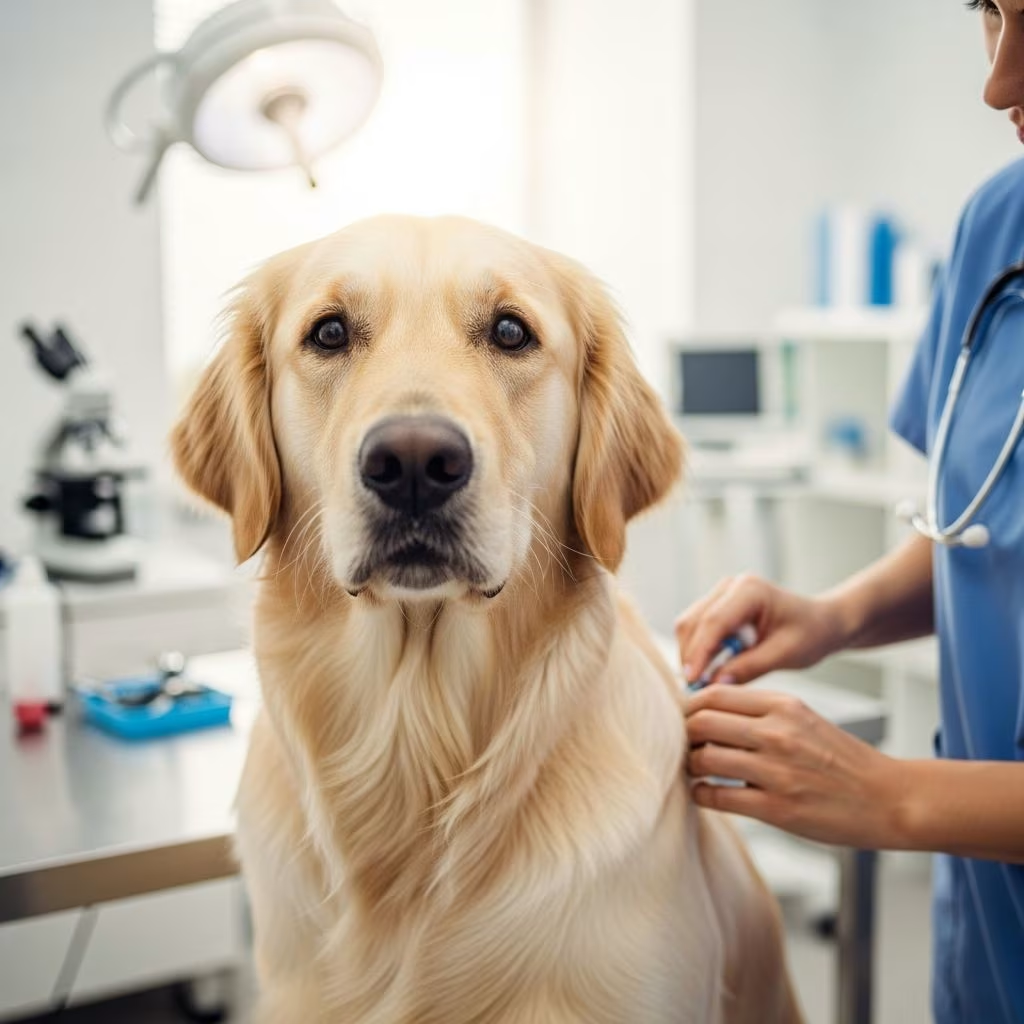
Canine influenza, commonly known as dog flu, is a highly contagious respiratory disease affecting dogs. While not all dogs require the vaccine, it’s increasingly recommended for those in social settings like daycares, boarding facilities, or dog parks. The vaccine protects against the two main strains—H3N8 and H3N2—reducing severity and spread.
Outbreaks have been reported across states like California, Illinois, Georgia, and others in 2025, highlighting the need for vigilance. Veterinarians often advise vaccination based on lifestyle and location to prevent complications like pneumonia.
What Is Canine Influenza (Dog Flu)?
Canine influenza is caused by Type A influenza viruses, specifically H3N8 (equine origin) and H3N2 (avian origin). It spreads through respiratory droplets from coughing, sneezing, or contaminated surfaces, thriving in close-contact environments.
Symptoms mimic kennel cough: harsh cough, nasal discharge, fever, lethargy, reduced appetite, and eye discharge. Most cases are mild, but 10-20% can develop pneumonia, especially in vulnerable dogs. Fatalities are rare but possible in high-risk groups.
- Incubation period: 2-4 days post-exposure.
- Contagious period: Up to 4 weeks, even without symptoms.
- Transmission: Direct contact, shared bowls, or airborne.
Is There a Vaccine for Dog Flu?
Yes, a bivalent vaccine covers both H3N8 and H3N2 strains, available since 2010. It’s not a core vaccine like rabies or distemper but classified as non-core, recommended for at-risk dogs.
The vaccine stimulates antibodies, reducing illness duration, severity, and viral shedding. Studies show 100% of vaccinated dogs avoided symptoms in challenges, though it doesn’t always prevent infection.
Who Should Get the Dog Flu Vaccine?
Not every dog needs it, but priority goes to those with high exposure risk:
- Dogs attending daycare, boarding, or grooming: Facilities require it to prevent outbreaks.
- Frequent dog park visitors or travelers: Socialization increases spread.
- Show dogs or competitors: Events gather many dogs.
- Puppies (over 6 weeks), seniors, or immunocompromised: Higher complication risk.
- Dogs in outbreak areas (e.g., 2025 hotspots: CA, IL, GA, SC, VA, MD, NJ, CT, VT).
Boarding kennels and daycares mandate it for herd immunity, protecting vulnerable pets. Consult your vet for personalized advice.
Dog Flu Vaccine Schedule
Puppies can start at 6-8 weeks. Protocol:
- First dose.
- Second dose 2-4 weeks later (immunity builds 3-4 weeks post-series).
- Annual booster thereafter.
| Age Group | Initial Series | Booster |
|---|---|---|
| Puppies (6+ weeks) | 2 doses, 2-4 weeks apart | Yearly |
| Adults (new to vaccine) | 2 doses, 2-4 weeks apart | Yearly |
| Previously vaccinated | N/A | Annual |
Timing aligns with Bordetella (kennel cough) vaccines.
How Effective Is the Dog Flu Vaccine?
Highly effective at mitigating effects: shorter symptoms, less shedding, lower pneumonia risk. Vaccinated dogs spread less virus, aiding community protection. No complete prevention guarantee, but benefits outweigh risks in endemic areas.
Are There Side Effects or Risks?
Safe for most dogs; mild reactions common:
- Soreness at injection site.
- Lethargy, mild fever (1-2 days).
- Rare: allergic reactions (hives, vomiting, swelling)—seek vet immediately.
Serious issues are uncommon. Discuss history with your vet.
Dog Flu Prevention Tips
Vaccination is key, but combine with:
- Avoid high-risk areas during outbreaks: Skip parks, kennels.
- Hygiene: Clean toys/bowls, limit greetings.
- Monitor health: Isolate coughing dogs.
- Core vaccines up-to-date: DHPP, leptospirosis, rabies.
- Regular vet check-ups for at-risk dogs.
FAQs
Is the dog flu vaccine required for boarding?
Yes, many facilities require it alongside Bordetella due to contagion risk.
Can puppies get the flu shot?
Yes, starting at 6 weeks with the two-dose series.
Is dog flu deadly?
Rarely, but can lead to fatal pneumonia in vulnerable dogs.
Does the vaccine prevent all strains?
It covers H3N8/H3N2; monitor for emerging strains.
What if my dog shows symptoms post-vaccine?
Mild is normal; contact vet for severe reactions.
When to See a Vet for Dog Flu
Seek care if symptoms persist >7-10 days, worsen (labored breathing, blue gums), or dog refuses food/water. Diagnosis via swab; treatment supportive (fluids, antibiotics for secondary infections). No specific antiviral.
Early intervention prevents hospitalization. Outbreaks prompt facility closures.
References
- Why Your Doggie Daycare Requires the Flu Vaccine — Animal Hospital Southwest. 2023. https://animalhospitalsouthwest.com/why-your-doggie-daycare-requires-the-flu-vaccine-keeping-pets-safe/
- Do Dogs Need a Flu Shot? Facts About the Canine Influenza Vaccine — American Kennel Club (AKC). 2024-10-15. https://www.akc.org/expert-advice/health/dog-flu-shot-canine-influenza/
- Dog Flu Season: Should Your Dog Get the Canine Influenza Vaccine? — Animal Wellness Center of Bonita (AWCB Vet). 2024. https://awcbvet.com/pet-vaccinations/dog-flu-season-should-your-dog-get-the-canine-influenza-vaccine/
- Canine Influenza Vaccine: What Is It, and Does Your Dog Need It? — PetMD. 2025-01-10. https://www.petmd.com/dog/general-health/canine-influenza-vaccine
- Canine Influenza: Veterinary Resources — American Veterinary Medical Association (AVMA). 2024-11-20. https://www.avma.org/resources-tools/animal-health-and-welfare/animal-health/canine-influenza-veterinary-resources



