

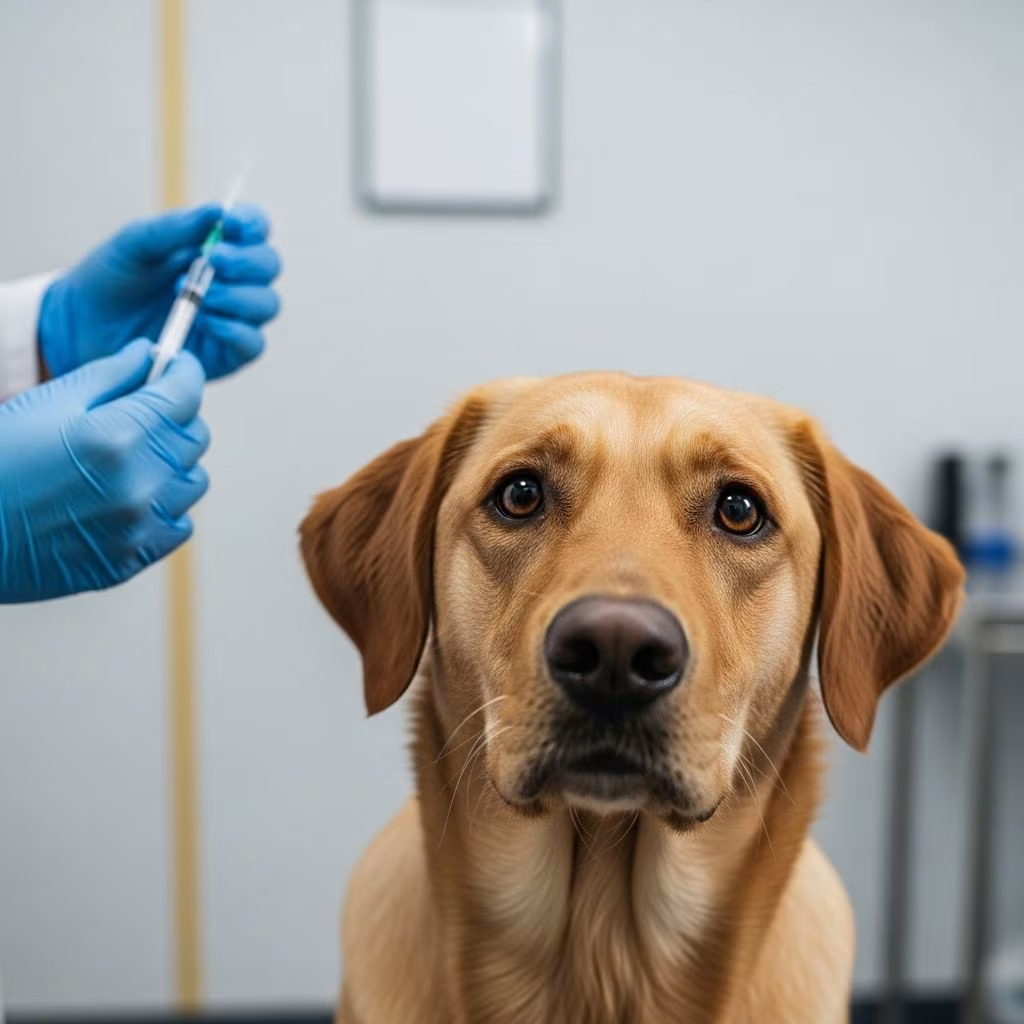
Canine influenza, commonly known as dog flu, is a highly contagious respiratory disease affecting dogs worldwide. While not all dogs require the flu vaccine, it is increasingly recommended—and often required—for those in social settings. This article covers what dog flu is, symptoms, the vaccine’s role, who needs it, effectiveness, safety, and more to help you decide if your dog needs a flu shot.
What Is Canine Influenza (Dog Flu)?
Canine influenza is caused by influenza viruses adapted to dogs, primarily the H3N8 (equine origin) and H3N2 (avian origin) strains. These viruses spread rapidly through respiratory droplets from coughing, sneezing, or direct contact with infected surfaces like shared water bowls.
First identified in the U.S. in 2004 (H3N8) and 2015 (H3N2), dog flu has caused outbreaks in multiple states, including a major 2023 incident in Fort Worth, Texas, where shelters closed and hundreds of dogs were affected. By 2025, cases were reported in California, Illinois, Georgia, South Carolina, Virginia, Maryland, New Jersey, Connecticut, and Vermont.
Dog flu is not a core vaccine like rabies or distemper but a non-core one for at-risk dogs. Unlike human flu, it does not typically jump to humans, though rare mutations are monitored.
Symptoms of Dog Flu
Dog flu symptoms resemble kennel cough but can escalate. Most cases are mild (80%), but 20% develop severe pneumonia. Common signs include:
- Dry, persistent cough lasting 10-21 days, unresponsive to antibiotics
- Nasal or eye discharge
- Sneezing
- Lethargy and reduced appetite
- Fever (up to 104°F)
- Breathing difficulties in severe cases
High-risk groups—puppies, seniors, pregnant dogs, or those with heart/lung conditions—face higher pneumonia and death risks. Incubation is 2-4 days, with contagiousness peaking early.
How Does Dog Flu Spread?
Dog flu transmits via airborne droplets, contaminated objects, or indirect contact. High-risk environments include:
- Doggy daycares and boarding kennels
- Dog parks and shows
- Grooming salons and training classes
- Vet clinics
Outbreaks like Fort Worth 2023 spread from shelters to daycares due to close contact. Vaccinated dogs shed less virus, curbing community spread.
Is There a Canine Flu Vaccine? Does It Work?
Yes, vaccines target H3N8, H3N2, or both (bivalent). They are inactivated (killed virus), safe and unable to cause disease. Administered as injections, they prompt antibody production.
Effectiveness: Not 100% preventive but reduces severity, duration, pneumonia risk, and shedding by up to 100% in challenge studies. Vaccinated dogs show milder or no symptoms and shorter contagious periods.
| Benefit | Description |
|---|---|
| Reduced Severity | Milder symptoms, shorter duration |
| Lower Complications | Less pneumonia and death risk |
| Decreased Spread | Shorter shedding time |
| Herd Immunity | Protects vulnerable dogs in groups |
Bivalent vaccines are preferred for broad protection.
Who Should Get the Dog Flu Vaccine?
Not every dog needs it—it’s lifestyle and location-dependent. Recommended for:
- Dogs in daycares, boarding, grooming
- Dog park frequenters or event attendees
- Travelers to outbreak areas
- Dogs with chronic conditions
Many facilities require it post-outbreaks for safety. Consult your vet; it’s non-core per AVMA.
Dog Flu Vaccine Schedule
Start at 6-8 weeks: two doses, 2-4 weeks apart, then annual boosters. Puppies need the series before social exposure.
| Age | Doses | Frequency |
|---|---|---|
| 6+ weeks | Initial series | 2 doses, 2-4 weeks apart |
| 1 year later | Booster | Annual thereafter |
Timing aligns with core vaccines like DHPP.
Is the Canine Flu Vaccine Safe? Side Effects
Safe for most dogs; mild reactions like soreness, lethargy, or swelling occur rarely and resolve quickly. Serious anaphylaxis is extremely rare—monitor 24-48 hours post-vaccination.
Vets discuss risks; no long-term issues reported.
Core vs. Non-Core Vaccines for Dogs
Core vaccines (all dogs): Rabies, DHPP (distemper, hepatitis, parvo, parainfluenza).
Non-core (lifestyle-based): Leptospirosis, Lyme, influenza. Influenza fits social dogs.
What If My Dog Gets the Flu?
Isolate immediately, see a vet. Supportive care: rest, fluids, cough suppressants. Antibiotics for secondary infections; severe cases need hospitalization. Most recover in 2-3 weeks.
Prevention beats treatment—vaccinate at-risk dogs.
Frequently Asked Questions (FAQs)
Is canine flu vaccine necessary for all dogs?
No, it’s non-core. Recommended for high-exposure dogs in outbreak areas or social settings.
Do groomers or daycares require the dog flu vaccine?
Often yes, especially post-outbreaks like 2023 Fort Worth.
Can dogs get human flu?
Rarely; strains differ. Dog flu doesn’t infect humans typically.
How effective is the dog flu vaccine?
Reduces severity/spread significantly; some studies show 100% symptom prevention in challenges.
When to start dog flu shots?
As early as 6 weeks, with two initial doses.
Final Thoughts: Talk to Your Vet
Decide with your vet based on lifestyle, location, and risks. Vaccination protects individuals and communities, enabling safe socializing. Stay vigilant for outbreaks via Merck maps or local vets.
References
- Why Your Doggie Daycare Requires the Flu Vaccine — Animal Hospital Southwest. 2023. https://animalhospitalsouthwest.com/why-your-doggie-daycare-requires-the-flu-vaccine-keeping-pets-safe/
- Canine Influenza Vaccine: What Is It, and Does Your Dog Need It? — PetMD. 2025. https://www.petmd.com/dog/general-health/canine-influenza-vaccine
- What Vaccines Do Dogs Need? — Hershey Veterinary Hospital. 2024. https://hersheyvet.com/blog/what-vaccines-do-dogs-need/
- Why Boarding Kennels Require Up-to-Date Canine Vaccinations — Windward Animal Hospital. 2024. https://windwardanimalhospital.com/canine-boarding-vaccines/
- Canine Influenza: Veterinary Resources — American Veterinary Medical Association (AVMA). 2025. https://www.avma.org/resources-tools/animal-health-and-welfare/animal-health/canine-influenza-veterinary-resources



