

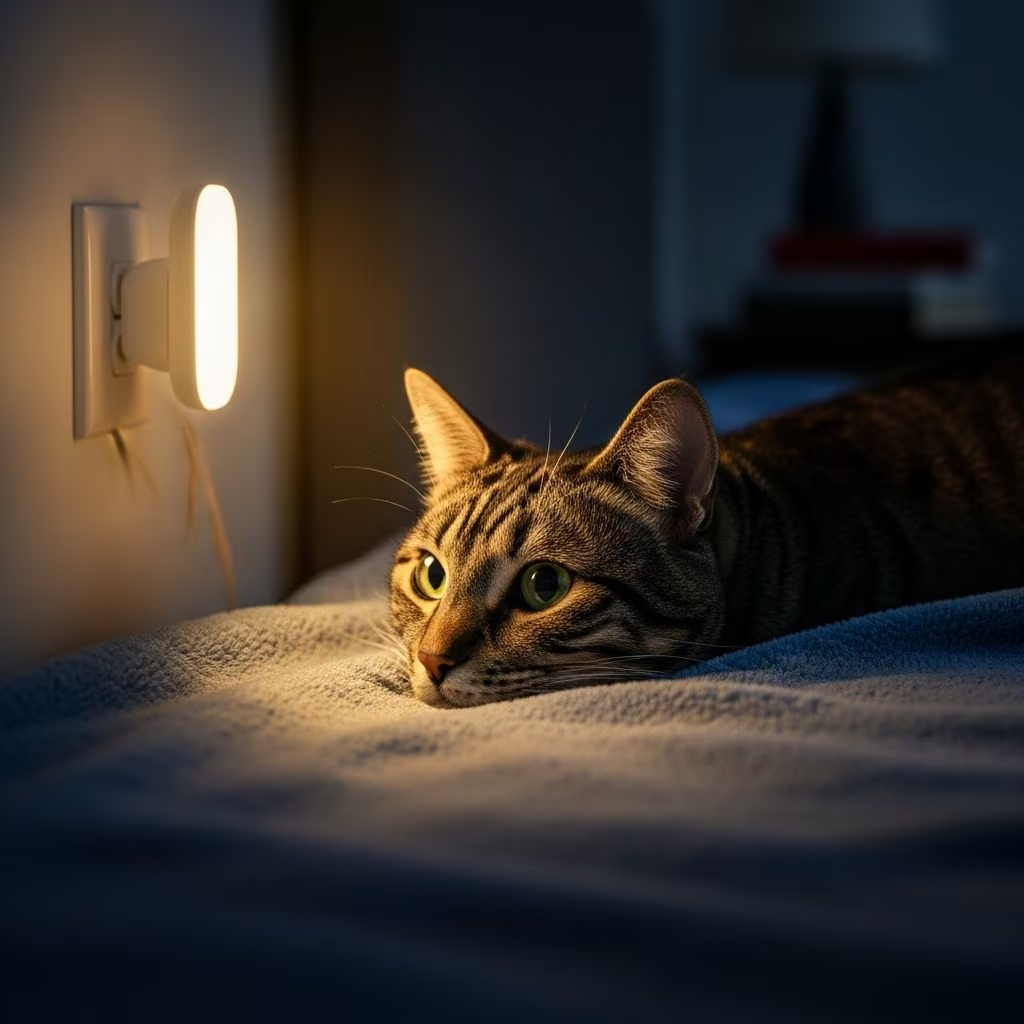
Cats possess exceptional night vision, but the question of whether to leave a light on overnight remains common among pet owners. Artificial lighting can influence their natural activity cycles, potentially disrupting sleep or aligning behaviors with household routines.
Understanding Feline Vision and Light Sensitivity
Felines have evolved with superior low-light capabilities due to a high density of rod cells in their retinas and a tapetum lucidum layer that reflects light for enhanced visibility. This structure allows cats to navigate dim environments far better than humans, making constant illumination unnecessary for basic orientation.
However, sensitivity to light variations plays a key role in regulating their internal clocks. Cats detect subtle changes in brightness, which signal day-night transitions and influence hormone production like melatonin for rest.
The Natural Activity Rhythm of Cats
Unlike strictly nocturnal creatures, cats are **crepuscular**, meaning they peak in activity during dawn and dusk. This pattern stems from ancestral hunting behaviors when prey is most active in twilight hours. Indoor living often shifts these rhythms to sync with human schedules, but core instincts persist.
- Dawn bursts: Short, intense play sessions mimicking hunts.
- Dusk energy: Increased exploration and vocalization.
- Midnight lulls: Deeper sleep phases away from light cues.
Research confirms that without intervention, cats maintain 21-36 hour circadian cycles, adapting partially to artificial environments.
How Artificial Light Alters Cat Behavior
Studies demonstrate that continuous artificial light suppresses nighttime rest in indoor cats. In one experiment with three subjects—an adult male, adult female, and kitten—nightly exposure led to heightened activity and reduced sleep, while darkness prompted more diurnal patterns akin to human schedules.
The kitten showed the most pronounced shift, suggesting age impacts light responsiveness, with younger felines needing more energy release. Extended daylight, whether natural or man-made, boosts playfulness but risks overstimulation.
| Light Condition | Activity Level | Sleep Duration | Observed in Study |
|---|---|---|---|
| Artificial Light On | High (night/sunrise) | Reduced | All cats more active |
| Darkness | Low (aligned with humans) | Increased | More sleep at night |
| Extended Daylight | Increased energy | Disrupted evenings | Playful mischief |
Circadian Rhythms: Light’s Role in Cat Health
Cats’ circadian rhythms—24-hour cycles governing sleep, hormones, and metabolism—rely heavily on light-dark cues. Disruptions from constant glows, like hallway bulbs or screens, mimic prolonged days, elevating cortisol (stress hormone) and diminishing melatonin (sleep promoter).
In extreme light cycles, such as polar regions, felines exhibit mood dips, appetite changes, or lethargy during dark winters, underscoring light’s regulatory power. Artificial sources can replicate sunrise benefits with full-spectrum bulbs, countering seasonal affective dips.
Potential Risks of Nighttime Illumination
Leaving lights on may confuse natural crepuscular peaks, leading to fragmented sleep. Mammalian studies, applicable to cats, link dim artificial light to suppressed REM phases and altered melatonin, fostering restlessness or overactivity.
Household glows—TVs, clocks, streetlights—compound this, subtly eroding sleep quality over time. Vulnerable groups include seniors with declining vision or kittens prone to hyperactivity.
Benefits of Darkness for Feline Rest
Darkness fosters deeper, restorative sleep by signaling safety for vulnerability. Observations show cats in unlit rooms sleep more soundly through nights, preserving energy for dawn hunts. This aligns with wild counterparts resting in secure dens post-twilight.
Consistent dark periods stabilize behaviors, reducing anxiety or depression risks tied to rhythm chaos.
Practical Strategies for Managing Cat Lighting
Balance your cat’s needs with household habits through targeted adjustments.
- Daytime dimming: Use blackout curtains for nap zones during bright hours, simulating preferred dim rest.
- Evening routines: Dim lights pre-bedtime; schedule vigorous play to exhaust crepuscular energy.
- Strategic nightlights: Opt for red or infrared bulbs invisible to cats, preserving darkness while aiding owner navigation.
- Seasonal tweaks: Full-spectrum lamps in winter mimic sun, boosting serotonin.
Maintain feeding/play consistency as anchors overriding light shifts.
Special Considerations for Different Cats
Age, health, and lifestyle modulate light needs:
- Kittens/Puppies: Most disrupted; require routine to channel energy.
- Seniors: Partial blindness may benefit faint glows for mobility.
- Indoor-only: Heavily reliant on artificial cues; prioritize rhythm stability.
- Multi-pet homes: Sync lighting to prevent inter-species conflicts.
Seasonal Light Changes and Cat Adaptation
Longer summer days spur evening vigor, manageable via play. Winter shortness induces snoozes via hormonal slowdowns. Proactive lighting—dim summers, brighten winters—mitigates extremes.
| Season | Light Challenge | Strategy |
|---|---|---|
| Summer | Extended light | Curtains, play sessions |
| Winter | Short days | Daylight lamps |
Common Myths About Cats and Night Lights
Myth 1: Cats are fully nocturnal. Reality: Crepuscular focus.
Myth 2: Any light comforts scared cats. Reality: Excess disrupts more than aids.
Myth 3: Indoor cats ignore light. Reality: They adapt strongly.
Frequently Asked Questions
Is it okay to leave a light on for my cat at night?
Generally unnecessary due to superior vision, but minimal red light won’t harm if needed for your convenience. Prefer darkness for natural rhythms.
Why is my cat more active at night?
Crepuscular instincts or light cues; counter with evening exercise.
Can lights affect my cat’s health long-term?
Yes, chronic disruption risks sleep issues, stress, mood changes.
What color light is best for cats?
Red spectrum, as cats perceive less of it, preserving dark cues.
How do I help my cat sleep better?
Consistent routines, dark sleep areas, pre-bed play.
Monitoring Your Cat’s Response
Track activity via journals or cameras. Note sleep duration, play peaks, appetite. Adjust lighting if signs of distress appear—lethargy, aggression, or insomnia. Consult vets for persistent issues.
Individual variances mean trial-and-error; what suits one may not another.
References
- Changes in Indoor Domestic Cat Activity in the Presence of Artificial Light — SUNY Canton. 2020. https://www.canton.edu/media/scholarly/Indoor-Cat-Bartasova.pdf
- Helping Your Cat Adjust to Longer, Brighter Days — Call of Nature. 2023. https://www.callofnature.co.uk/blogs/news/helping-your-cat-adjust-to-longer-brighter-days
- How Do Pets Handle Alaskan Light Cycles? — Tier1Vet. 2024. https://tier1vet.com/how-do-pets-handle-alaskan-light-cycles/
- Do Cats Need Darkness to Sleep? Feline Sleep & Light Explained — Pet Care Shed. 2023. https://petcareshed.com.au/blogs/pet-supplies/do-cats-need-darkness-to-sleep
- The Science Behind Your Cat’s Winter Snooze — Broadway Oaks Animal Hospital. 2022. https://www.broadwayoaksanimalhospital.com/blog/the-science-behind-your-cats-winter-snooze/
- Are Cats Nocturnal, Crepuscular, or Diurnal? — Pet Nation Care. 2024. https://www.petnation.care/blog/are-cats-nocturnal-crepuscular-or-diurnal-discover-when-theyre-active
- Light Composition Alters Feline Stress in a Shelter Environment — Journal of the Endocrine Society (Oxford Academic). 2024. https://academic.oup.com/jes/article/8/Supplement_1/bvae163.1266/7813070



