

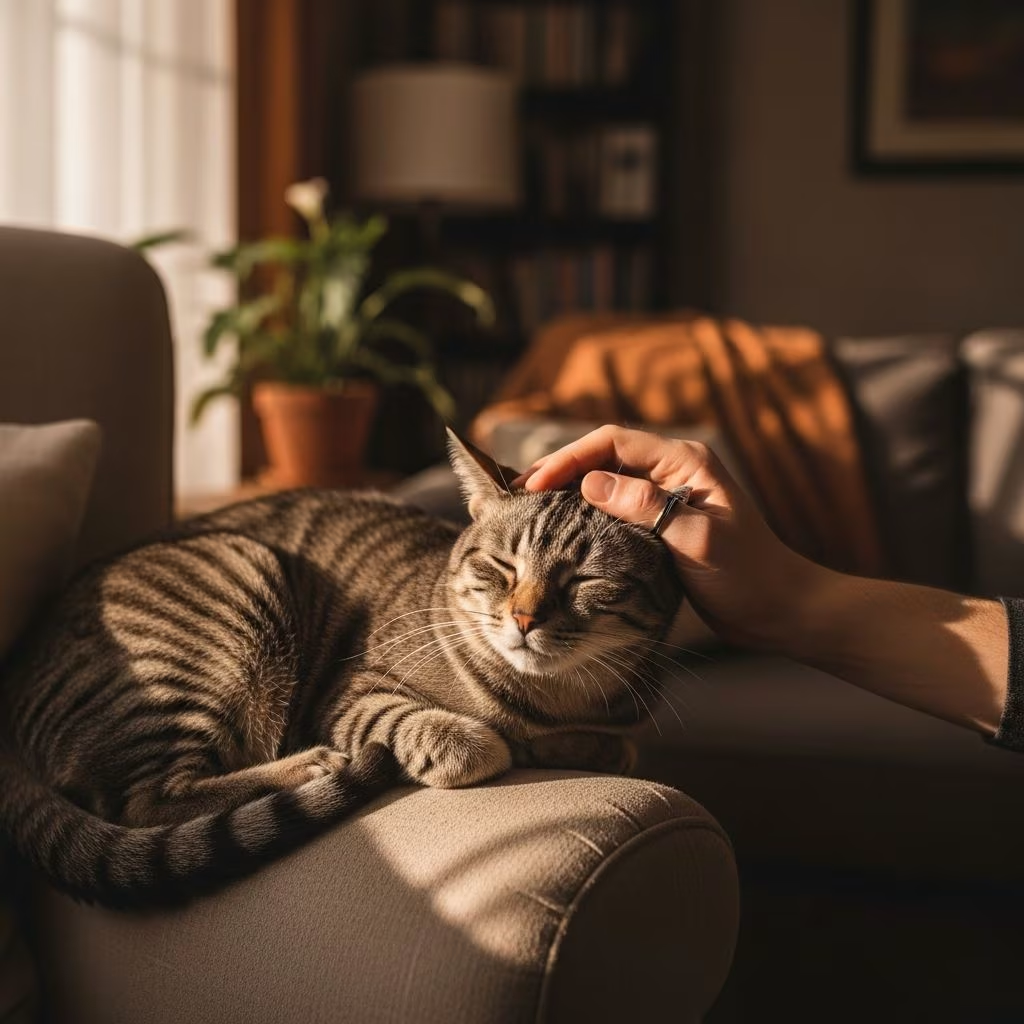
Cats form deep emotional bonds with their owners, recognizing them as sources of comfort and security, much like human infants view parents. Research shows cats display attachment behaviors, proving they perceive and reciprocate love in their unique ways.
Do Cats Feel Love?
Cats are not obligate social animals like dogs, meaning they can survive independently, but this doesn’t prevent strong bonds. Studies confirm cats feel attachment and affection toward humans, viewing pet parents similarly to how babies see caregivers—loyal, empathetic family members who provide care. Certified behaviorists note cats recognize humans as comfort sources, experiencing stress in their absence, indicating emotional love. Unlike overt dog displays, cat affection is subtle, requiring observation of body language and behaviors.
How Do Cats Show Love?
Cats communicate love through multi-sensory signals combining visual, olfactory, and tactile cues. These behaviors signal trust, comfort, and desire for proximity, directed only at familiar, loved individuals. Key signs include:
- Purring: Often linked to contentment, though also used for self-soothing; context like proximity to you indicates affection.
- Slow Blinking: A visual trust signal, equivalent to a human smile, inviting interaction and reducing distance.
- Headbutting (Bunting): Cats rub cheeks or foreheads to deposit scent pheromones, marking you as family and safe.
These actions convey territorial comfort and friendly bonds, helping cats feel secure in their environment.
Signs Your Cat Loves You
Feline love manifests in specific, observable behaviors. Here’s a breakdown of common indicators:
Bunting and Headbutting
When your cat rubs against you, furniture, or walls, they’re spreading calming pheromones, signaling safety and affiliation. This cheek-rubbing or head-butting is a clear ‘you’re family’ message.
Grooming (Licking)
Allogrooming—licking to mix scents—strengthens bonds among cats and extends to trusted humans. If your cat licks your hand or face, it’s a compliment of trust and affection, sometimes to soothe your stress.
Kneading
Kittens knead mothers for milk; adults ‘make biscuits’ when relaxed, evoking kittenhood security around you.
Tail Signals
A high, upright tail shows confidence and happiness upon seeing you. Low or puffed tails indicate fear, contrasting affectionate greetings.
Following You
Cats trailing you room-to-room, even to private spaces, stem from FOMO and desire for your company.
Belly Exposure
Flopping to show the belly signals ultimate vulnerability and trust—but resist petting, as it may trigger play defense.
Greeting Rituals
Meeting you at the door, weaving legs, or tail-curling demonstrates they missed you.
Sleeping Near You
Choosing to sleep close or on you means they feel protected and want to reciprocate guardianship.
| Behavior | Meaning | Trust Level |
|---|---|---|
| Slow Blink | Invitation to bond | High |
| Bunting | Scent-marking family | High |
| Grooming | Social bonding | Very High |
| Belly Show | Vulnerability | Ultimate |
Does Your Cat Know You Love Them?
Yes, cats discern love through consistent positive interactions. They recognize voices, faces, and behaviors associating you with safety, food, and joy. Behaviorists confirm cats seek unprompted proximity and show trust like allowing nail trims only from you, proving emotional attunement. Associative marking, like scenting your belongings, reinforces bonds during separations. Owners viewing cats as children report reciprocal loyalty and empathy.
How to Show Your Cat You Love Them
To communicate love cats comprehend, mimic their language and respect boundaries:
- Slow Blink Back: Lock eyes softly, then slowly close and open—builds instant rapport.
- Respect Their Space: Let them initiate contact; forced pets signal threat.
- Provide Enrichment: Toys, scratching posts, and high perches meet natural needs, associating you with fulfillment.
- Gentle Petting: Focus on cheeks, chin, base of tail—avoid belly unless invited.
- Play Sessions: Interactive toys simulate hunting, strengthening bonds without food bribes.
- Calm Voice: Speak softly; cats tune into tone for emotional cues.
Consistency fosters security, encouraging more affection over time.
Understanding Cat Emotions and Attachment
Research from peer-reviewed studies shows cats form secure attachments, preferring owners post-separation like human infants. They distinguish loved ones via multi-sensory cues, displaying distress without them. This challenges solitary cat myths, affirming social capacity.
Common Misconceptions About Cat Love
Myths like ‘cats are aloof’ stem from misreading subtlety. Purring solicits needs but also pure joy; independence doesn’t negate bonds. Patience reveals their devotion.
Building a Stronger Bond with Your Cat
Observe daily: Track behaviors in a journal to personalize interactions. Multi-cat homes require individual attention to avoid jealousy. Kittens bond faster; adults need time. Health checks ensure behaviors aren’t pain-masked.
Frequently Asked Questions (FAQs)
Do cats love their owners?
Yes, cats form strong attachments, showing love via purring, rubbing, and proximity, backed by attachment studies.
How do you know if your cat loves you?
Signs include slow blinking, grooming, kneading, following, and sleeping near you.
Do cats know when you love them?
Cats recognize consistent care and positive cues, responding with trust and unprompted affection.
Why does my cat lick me?
Licking mixes scents and shows affection, mimicking mother-kitten grooming.
What if my cat seems distant?
Respect space, use slow blinks, and enrich environment—bonds grow with patience.
References
- Do Cats Love Their Owners? — Cats.com. 2023. https://cats.com/do-cats-love-their-owners
- Does Your Cat Love You? How to Interpret Bonding Behavior — Kinship. 2023. https://www.kinship.com/cat-behavior/does-my-cat-love-me
- Does Your Cat Know How Much You Love Them? — Kinship. 2023. https://www.kinship.com/cat-behavior/does-your-cat-know-how-much-you-love-them
- Family Member, Best Friend, Child or ‘Just’ a Pet, Owners’ Perception of the Cat and the Owner-Cat Relationship — National Institutes of Health (PMC). 2021-12-29. https://pmc.ncbi.nlm.nih.gov/articles/PMC8750854/



