

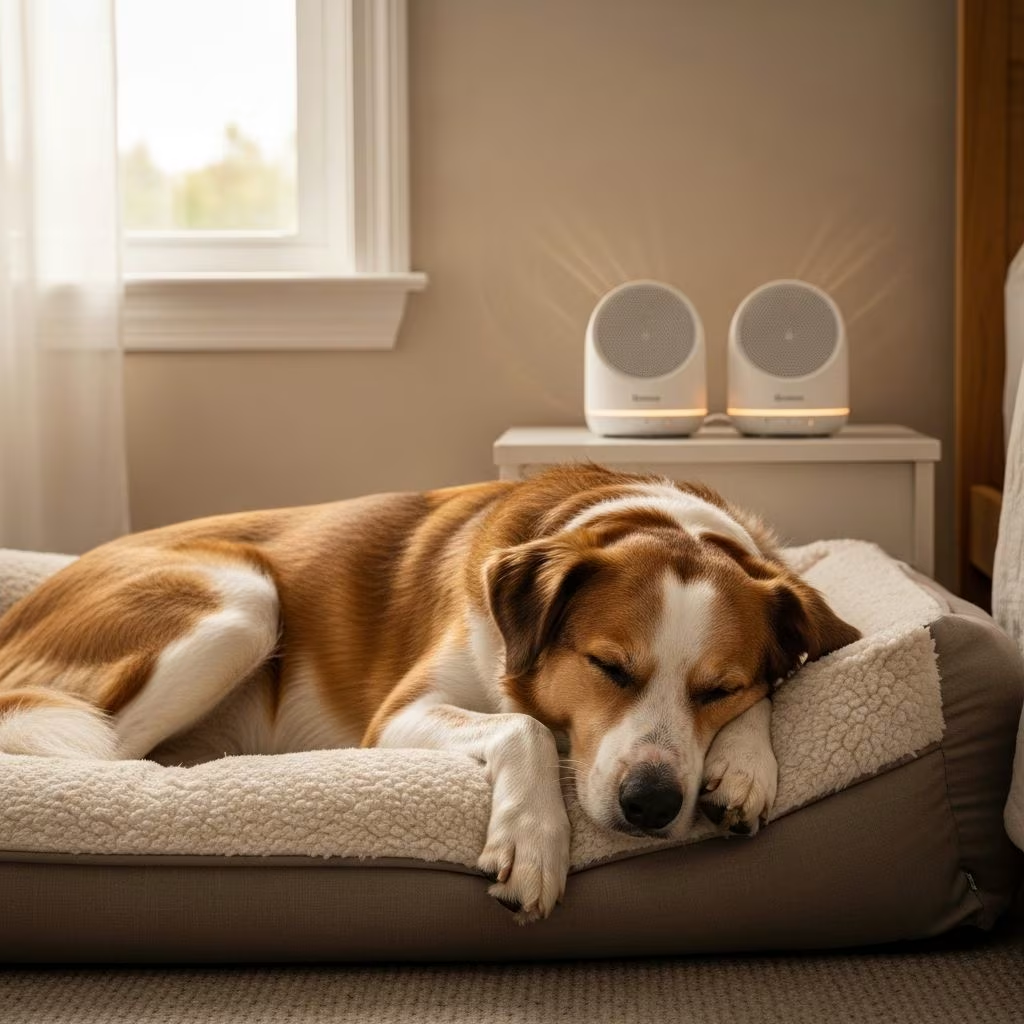
White noise offers dogs a reliable way to block disruptive sounds, promoting relaxation and reducing stress responses triggered by everyday or sudden noises. This consistent auditory backdrop mimics natural environmental hums, helping pets feel more secure in various situations.
The Science of Sound and Canine Stress
Dogs possess superior hearing capabilities, detecting frequencies up to four times farther than humans and across a broader range. This heightened sensitivity often amplifies reactions to loud or unexpected sounds like fireworks, thunderstorms, or traffic, leading to elevated cortisol levels—a key stress indicator.
Research demonstrates that exposure to startling noises, such as thunder recordings, significantly raises cortisol and prompts behaviors like hiding or pacing in dogs. Chronic noise exposure can dysregulate stress responses, mimicking ‘vital exhaustion’ seen in over-stressed individuals, where outward calm masks internal turmoil.
White noise intervenes by providing a uniform sound layer that drowns out these interruptions. It functions like an auditory shield, preventing abrupt changes in the soundscape that jolt dogs awake or into panic. Studies on related soothing audios, including classical music, show reduced anxiety markers and quieter behavior in sheltered dogs.
Key Benefits for Your Dog’s Well-Being
Implementing white noise yields multiple advantages tailored to common canine challenges:
- Stress Reduction: Lowers cortisol, curbing destructive chewing, excessive barking, or escape attempts during alone time.
- Better Sleep Quality: Masks minor disturbances like footsteps or vehicles, allowing deeper rest cycles crucial for health and energy.
- Noise Phobia Management: Eases fears from fireworks or storms by overlaying booms with steady hums.
- Travel Comfort: Portable options calm car sickness or road noise sensitivity.
- Crate Adaptation: Makes confinement feel less isolating for puppies or rescues.
These effects prove especially valuable for vulnerable groups: seniors with hearing shifts causing disorientation, rescues carrying trauma, high-energy breeds reactive to stimuli, and puppies missing litter comforts.
When White Noise Shines Brightest
Certain scenarios amplify white noise’s impact:
| Situation | Common Dog Reactions | White Noise Solution |
|---|---|---|
| Separation Anxiety | Barking, whining, destruction | Play during departures to associate alone time with calm |
| Fireworks/Thunder | Panting, trembling, hiding | High-volume steady sound to mask peaks |
| Nighttime Restlessness | Frequent waking, pacing | Low-level hum for consistent backdrop |
| Car Trips | Whining, drooling, shaking | Portable device near pet |
| Crate Training | Crying, resistance | Inside crate to simulate companionship |
Regular use builds positive associations, turning white noise into a reliability cue for safety.
Choosing the Right White Noise Tools
Select devices based on needs: fans for simplicity, apps for variety (rain, waves, static), or pet-specific machines with timers and volume controls. Opt for portable batteries for travel and volume flexibility to match room size or intensity required.
Start low and observe: gradual introduction prevents overwhelm. Combine with comforts like familiar blankets for synergy.
Potential Drawbacks and Best Practices
While broadly beneficial, white noise isn’t universal. Some dogs may ignore it or prefer silence; others need vet evaluation for underlying issues like pain or neurological conditions. A 2024 study noted white noise elicited lower autonomic stress (heart rate, conductance) than barking or crying sounds, affirming its neutrality.
- Test volumes to avoid irritation.
- Pair with behavioral training or vet-recommended aids.
- Monitor for improvement over weeks.
Real-World Applications and Combinations
Pet owners report success pairing white noise with pheromone diffusers, herbal calming treats, or exercise routines. For severe cases, consult behaviorists integrating it into desensitization protocols. Its affordability—under $30 for basics—makes experimentation low-risk.
During peak stress like holidays, shelters see fewer noise-related intakes when owners preemptively use sound masking.
Frequently Asked Questions
Is white noise safe for all dogs?
Yes, generally harmless at moderate volumes; consult vets for hearing-impaired or medically fragile pets.
How long to see results?
Many notice calm within sessions; habits form in 1-2 weeks of consistency.
White noise vs. music for dogs?
White noise masks better; psychoacoustic tunes (classical) add emotional soothing per AKC insights.
Can puppies use it?
Absolutely, aids litter transition and crate comfort.
What if my dog dislikes it?
Try variants like brown noise (deeper tones) or discontinue; individual preferences vary.
Enhancing Your Dog’s Calm Environment
Beyond devices, dim lights, secure spaces, and routines amplify effects. Track progress via journals noting behavior pre/post-use. White noise emerges as a gentle, evidence-supported ally in fostering canine tranquility amid modern noise pollution.
References
- White Noise for Dogs – Calm Anxiety, Barking, Stress — Bark and Whiskers. 2026-01-26. https://www.barkandwhiskers.com/2026-01-26-how-white-noise-helps-calm-dogs/
- Healthy Dogs Need Proper Sleep, Too: How White Noise Can Help — Sound of Sleep. N/A. https://www.soundofsleep.com/healthy-dogs-need-proper-sleep-too-how-white-noise-can-help/
- How White Noise Can Help Your Dog Stay Calm During Fireworks — Yoga Sleep. N/A. https://yogasleep.com/blogs/give-sleep-a-chance-blog/how-white-noise-can-help-your-dog-stay-calm-during-fireworks-and-other-loud-noises
- Dogs Barking and Babies Crying: The Effect of Environmental Noise — PMC (Peer-reviewed). 2024. https://pmc.ncbi.nlm.nih.gov/articles/PMC10849013/
- Is Music Therapeutic for Dogs? — American Kennel Club. N/A. https://www.akc.org/expert-advice/training/why-music-is-therapeutic-for-dogs/



