

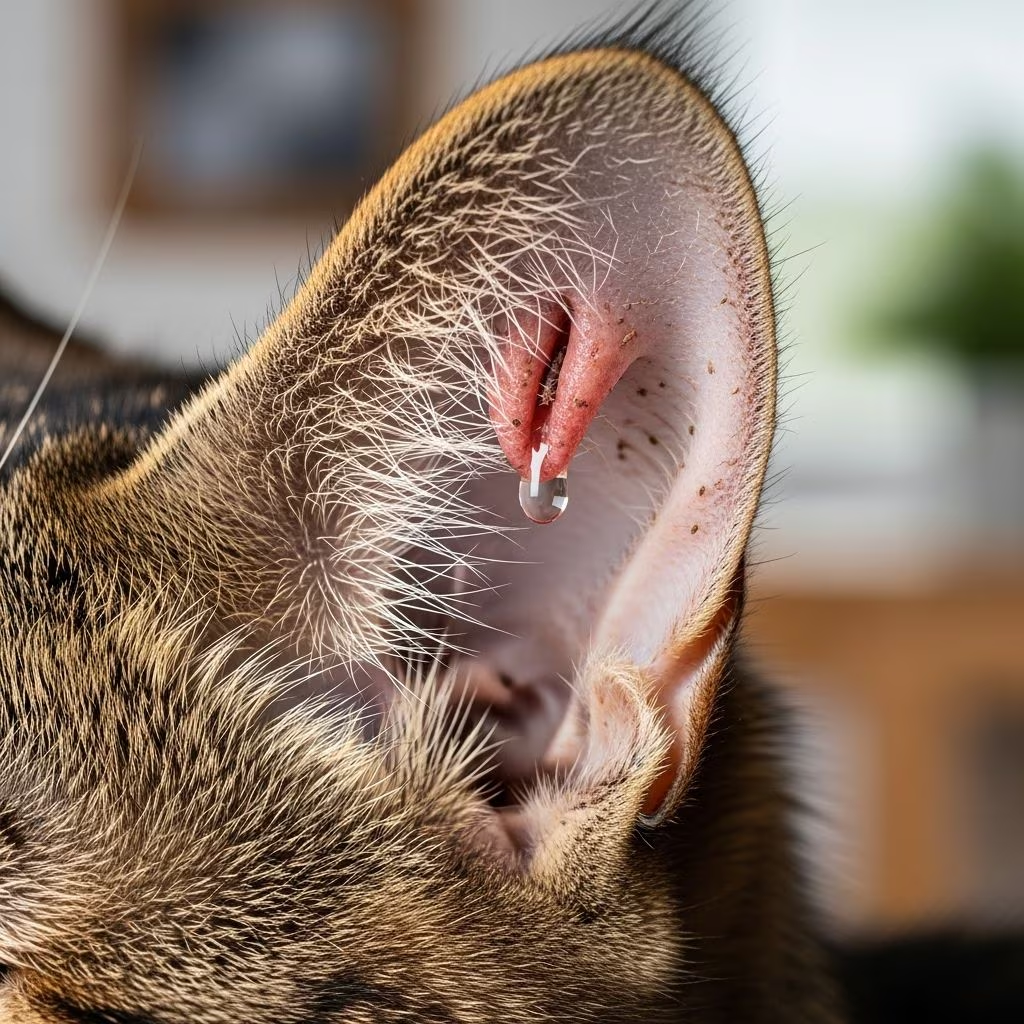
Rubbing alcohol does not effectively treat ear mites in cats and can cause significant harm. While it might kill a few mites on contact, it severely dries out and irritates the already inflamed ear canal, worsening the condition and potentially leading to further complications.
Ear mites, scientifically known as Otodectes cynotis, are tiny parasites that infest the external ear canals of cats, causing intense itching and discomfort. These pests are highly contagious, especially among cats in multi-pet households or shelters, and require prompt, professional intervention for safe resolution.
What Are Ear Mites in Cats?
Ear mites are microscopic parasites that thrive in a cat’s ear canal, feeding on ear wax and oils. They are most common in kittens and young cats but can affect any age. The mites reproduce quickly, leading to large infestations if untreated. Unlike fleas, ear mites specifically target the ears but can spread to other areas if the cat scratches excessively.
These parasites are not visible to the naked eye, but their presence triggers noticeable symptoms. Cats with ear mites often shake their heads vigorously or paw at their ears due to the relentless itching. Left untreated, the infestation can lead to secondary bacterial or yeast infections, eardrum damage, or even hearing loss.
Signs of Ear Mites in Cats
Recognizing ear mites early is crucial for preventing complications. Common signs include:
- Excessive scratching or pawing at the ears: Cats may rub their ears against furniture or the ground.
- Head shaking or tilting: Frequent shaking to dislodge the irritants.
- Dark, crumbly discharge: Resembles coffee grounds, caused by mite waste and ear debris.
- Redness and inflammation: Raw, red skin around the ear base.
- Hair loss or scabs: From intense scratching.
- Foul odor: Indicates secondary infection.
If you notice these symptoms, avoid home remedies and consult a veterinarian for confirmation. A vet uses an otoscope to visualize the mites and may examine a discharge sample under a microscope.
Does Rubbing Alcohol Kill Ear Mites?
Technically, rubbing alcohol (isopropyl alcohol) can kill some ear mites upon direct contact due to its dehydrating properties. However, this is not a viable treatment. The alcohol evaporates quickly, failing to reach mites deep in the ear canal, and its harsh nature irritates the sensitive, already damaged skin.
Applying rubbing alcohol causes burning pain, further inflammation, and dryness, which can exacerbate scratching and lead to ulcers or infections. Veterinary experts unanimously advise against it, emphasizing that the risks far outweigh any minimal benefits.
Why You Should Never Use Rubbing Alcohol for Ear Mites
Beyond irritation, rubbing alcohol disrupts the ear’s natural pH balance and protective barrier, increasing susceptibility to infections. Cats’ ear canals are narrow and delicate; alcohol can cause ototoxicity (inner ear damage), resulting in balance issues, pain, or neurological symptoms.
In contrast, veterinary treatments are formulated for safety and efficacy, targeting mites systemically without harming the ear tissue. Home application of alcohol also risks incomplete treatment, allowing mites to persist and reinfest.
Natural Ear Mite Home Remedies: Do They Work?
Many cat owners consider alternatives like hydrogen peroxide, vinegar, or olive oil for ear mites. While these might drown some mites or clean debris, they are ineffective and dangerous:
- Hydrogen peroxide: Bubbles and foams but irritates tissues and fails to kill all mites.
- Vinegar: Acidic pH may deter mites temporarily but stings open wounds.
- Olive oil or mineral oil: Smothers mites but does not eliminate eggs and requires frequent reapplication.
These remedies lack scientific backing and can worsen infestations by driving mites deeper or causing allergic reactions. Vets report increased complications from such DIY approaches. The verdict: Home remedies are too risky and unreliable; professional care is essential.
How Does a Vet Diagnose Ear Mites?
Veterinarians diagnose ear mites through a thorough ear exam using an otoscope, which magnifies the canal to reveal moving mites or eggs. A swab of the debris is often microscopically analyzed for confirmation, distinguishing mites from other issues like yeast or bacterial infections.
Differential diagnosis rules out allergies, polyps, or tumors, ensuring targeted treatment. Early diagnosis prevents progression to chronic otitis (ear inflammation).
What Does a Vet Treat Ear Mites With?
Vets prescribe safe, effective treatments tailored to the cat’s condition:
- Spot-on parasiticide: Products like fluralaner (Bravecto) or selamectin (Revolution) kill mites and prevent fleas for up to three months.
- Ear drops: Contain miticides like ivermectin or milbemycin oxime, often with anti-inflammatories.
- Antibiotics/antifungals: For secondary infections.
- Ear cleaning solutions: Vet-approved cleaners soften debris without irritation.
Treatment typically lasts 2-4 weeks, with follow-ups to confirm clearance. In multi-pet homes, all animals are treated to prevent spread.
How to Clean Your Cat’s Ears (Vet Approved Method)
Proper ear cleaning supports treatment but should follow vet guidance. Here’s a step-by-step guide:
- Gather supplies: Vet-recommended ear cleaner, cotton balls or pads, treats.
- Secure your cat: Wrap in a towel or blanket, keeping head steady.
- Apply cleaner: Squirt a few drops into the ear canal without inserting the bottle tip.
- Massage gently: Rub the ear base for 30 seconds to loosen debris.
- Wipe exterior: Use cotton balls to remove visible wax; never use Q-tips inside the canal.
- Reward: Give treats to build positive association.
Clean every 1-2 days during treatment, avoiding over-cleaning which strips natural oils. Products with alcohol are prohibited.
| Do’s | Don’ts |
|---|---|
| Use vet-approved cleaners | Use Q-tips or swabs deep in ear |
| Massage base gently | Force cleaner if cat resists |
| Clean outer ear only | Over-clean (more than needed) |
Preventing Ear Mites in Cats
Prevention focuses on hygiene and prophylaxis:
- Monthly parasiticide: Use broad-spectrum spot-ons like Revolution.
- Regular ear checks: Inspect weekly for early signs.
- Quarantine new cats: Isolate for 2 weeks.
- Clean environment: Wash bedding in hot water, vacuum surfaces.
- Avoid overcrowding: Especially in shelters or catteries.
In multi-pet homes, treat all if one is infested. Persistent prevention reduces recurrence risk.
Ear Mites vs. Ear Infections in Cats
Ear mites mimic infections but differ:
| Aspect | Ear Mites | Ear Infections (Bacterial/Yeast) |
|---|---|---|
| Symptoms | Coffee-ground discharge, itching | Foul-smelling pus, pain, swelling |
| Cause | Parasite infestation | Bacteria/yeast overgrowth |
| Treatment | Miticides, cleaning | Antibiotics, antifungals |
| Contagious | Highly (cat-to-cat) | Not typically |
Infections often follow mites; cytology or culture confirms.
Frequently Asked Questions (FAQs)
Can I use rubbing alcohol to clean my cat’s ears?
No, rubbing alcohol irritates and dries out the sensitive ear skin, potentially causing damage.
Do I need to treat all pets if one cat has ear mites?
Yes, ear mites are highly contagious; treat all in-contact animals.
How long does ear mite treatment take?
Typically 2-4 weeks, with follow-up checks.
Are commercial flea products safe for ear mites?
Some are, but consult a vet first; avoid dog products with permethrin.
Can ear mites affect humans?
Rarely; they prefer cats but may cause temporary itching.
Conclusion
Rubbing alcohol is not a safe or effective solution for ear mites in cats. Opt for veterinary diagnosis and treatments like spot-ons or prescription drops for quick, harmless relief. Regular prevention keeps your cat mite-free and comfortable.
References
- Does Rubbing Alcohol Kill Ear Mites in a Cat? Vet Approved Advice — Catster. 2023. https://www.catster.com/lifestyle/does-rubbing-alcohol-kill-ear-mites-in-cats/
- Will Rubbing Alcohol Kill My Cat’s Ear Mites? Vet-Approved Facts — Hepper. 2023. https://articles.hepper.com/will-rubbing-alcohol-kill-cats-ear-mites/
- The Best (and Safest) Ways to Clean Your Cat’s Ears — GoodRx. 2024. https://www.goodrx.com/pet-health/cat/how-to-clean-cat-ears
- Ear Cleaning — Folly Road Animal Hospital. 2023. https://follyroadanimalhospital.com/homecare/ear-cleaning/
- How to Clean Your Cat’s Ears — United Veterinary Center. 2023. https://unitedveterinarycenter.com/cleaning-cats-ears/
- Ear Mites in Cats: Causes, Treatment & Prevention — Johns Creek Vets. 2024-06-15. https://www.johnscreekvet.com/site/blog/2024/06/15/ear-mites-cats



