
Does Pet Insurance Cover Vaccines? What You Need To Know
Understanding vaccine coverage: Standard plans vs. wellness add-ons for pet protection.
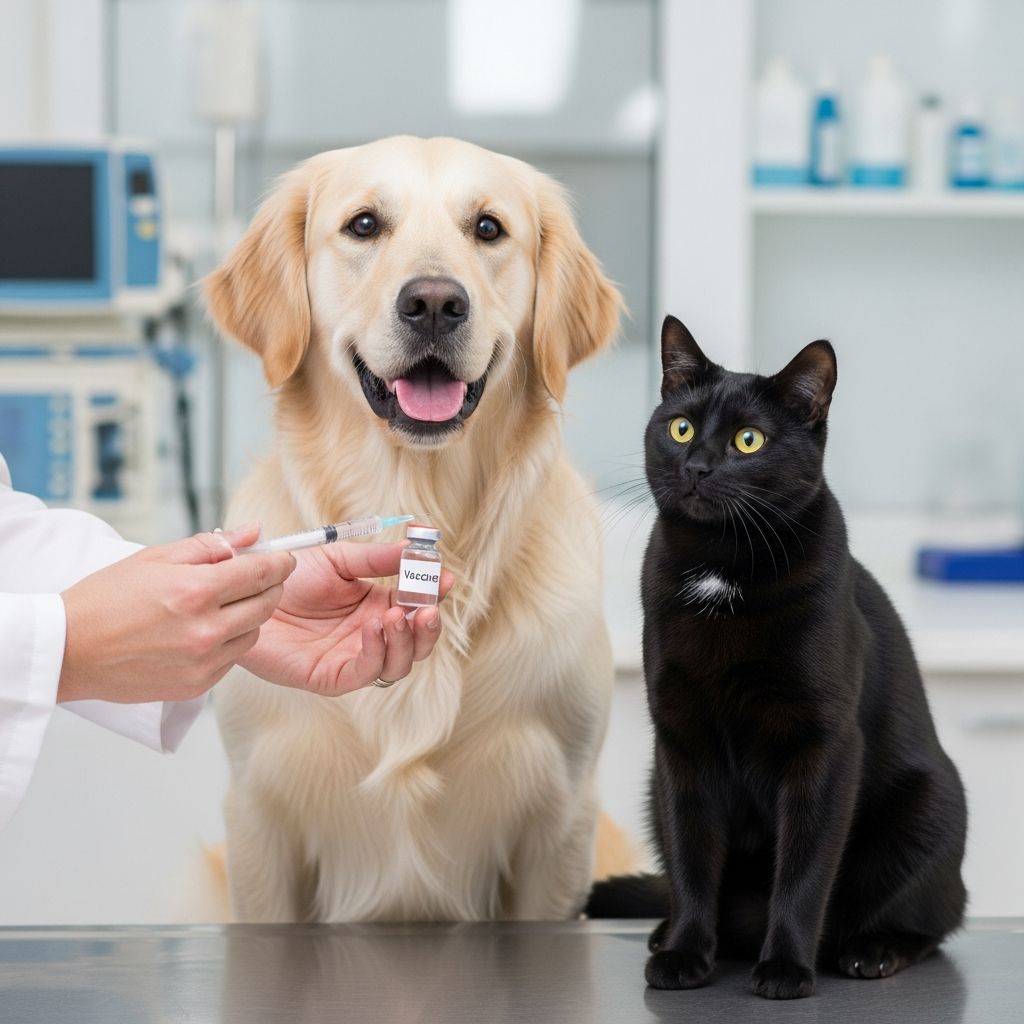
Does Pet Insurance Cover Vaccines?
When it comes to protecting your furry companion’s health, vaccinations play a critical role in preventing serious diseases and maintaining overall wellness. However, many pet owners are surprised to learn that standard pet insurance policies typically do not cover routine vaccinations. Instead, vaccine coverage is usually available through wellness plans or preventive care add-ons. Understanding how pet insurance handles vaccines can help you make informed decisions about your pet’s healthcare and budget accordingly.
The distinction between standard pet insurance and wellness coverage is essential to grasp. While most pet insurance policies are designed to handle unexpected accidents and illnesses, routine preventive care—including vaccinations—falls outside their scope. To access vaccination coverage, you’ll need to explore wellness plan options that specifically address preventive health measures.
Standard Pet Insurance Coverage for Vaccines
Standard pet insurance policies are structured to cover unexpected events rather than predictable, routine care. When you purchase a basic accident-only or accident-and-illness pet insurance plan, vaccines are typically excluded from coverage. This is because pet insurance companies view vaccinations as preventive maintenance rather than treatment for disease or injury.
However, there are some exceptions to this general rule. If your pet requires an injection or shot to treat a covered illness or injury—such as an insulin shot for diabetes or an antibiotic injection for an infection—this medication may be covered under your standard policy. The key difference is that the shot is being used as a treatment for an existing condition, not as preventive care.
Most standard pet insurance policies focus on covering:
– Emergency visits and surgical procedures- Diagnostic tests for diagnosed illnesses- Hospitalization and prescription medications- Chronic disease management- Cancer treatment and specialized therapies
Routine care expenses such as annual wellness exams, vaccinations, spaying or neutering, and dental cleanings are generally excluded from these base plans.
Pet Wellness Plan Coverage for Vaccines
To gain coverage for your pet’s vaccinations, you’ll need to add a wellness plan or preventive care rider to your pet insurance policy. These plans are specifically designed to help manage predictable, routine veterinary expenses that help keep your pet healthy throughout their lifetime.
Wellness plans operate differently from standard insurance. Rather than working with deductibles and coinsurance like accident-and-illness coverage, wellness plans typically offer straightforward reimbursement up to an annual maximum benefit amount. When you pay for your pet’s vaccines at the veterinary clinic, you can submit a claim and receive reimbursement for the eligible expenses, up to your plan’s annual limit.
How wellness plan reimbursement works: Imagine your dog receives a bordatella vaccine that costs $20 at your veterinarian’s office. If your wellness plan includes a $30 annual vaccine reimbursement benefit, you would file a claim and receive a $20 reimbursement check. If your pet requires additional vaccines before your policy renews, you could receive reimbursement up to the remaining $10 of your annual benefit. Once your policy renews, your vaccine reimbursement limit resets to its full amount.
One significant advantage of wellness plans is that they typically do not include a deductible, meaning you can start using your benefits immediately without having to meet a minimum out-of-pocket expense first. This makes them particularly valuable for managing the predictable costs of routine veterinary care.
Core and Non-Core Vaccines: What’s Usually Covered?
Pet vaccines are generally divided into two categories: core vaccines and non-core vaccines. Understanding which vaccines fall into each category can help you anticipate which shots your pet will need and how much coverage you might receive through a wellness plan.
Core Vaccines for Dogs
Core vaccines are essential for all dogs regardless of their lifestyle or geographic location. These vaccines protect against diseases that can cause severe illness or death and are often required by law in many jurisdictions. The core vaccines for dogs include:
– Canine distemper- Adenovirus and hepatitis- Parvovirus- Parainfluenza- Rabies
These core vaccines are often combined into a single injection commonly referred to as DHPP or DAPP vaccine. The rabies vaccine is typically administered separately and is usually mandated by state or local law for all dogs. The rabies vaccine typically costs between $40-75 and is required in most states. Many cities and counties require proof of vaccination to obtain a pet license, which is often a legal requirement itself.
Core Vaccines for Cats
Cats have their own set of core vaccines that protect against common feline diseases. These include:
– Feline panleukopenia (feline distemper)- Feline herpesvirus- Feline calicivirus- Rabies
Like dogs, cats typically receive the first three core vaccines combined into a single injection, often called the FVRCP vaccine, with rabies given separately.
Non-Core Vaccines
Non-core vaccines are recommended based on your pet’s individual risk factors, lifestyle, geographic location, and health status. These vaccines protect against diseases that may be less common or that your pet may not be likely to encounter. Examples of non-core vaccines include:
– Bordetella (canine cough) for dogs- Feline leukemia virus (FeLV) for cats- Leptospirosis for dogs- Canine influenza- Lyme disease
Your veterinarian will help determine which non-core vaccines are appropriate for your pet based on their specific circumstances. Wellness plans may cover both core and non-core vaccines, though coverage specifics vary by plan.
Pet Wellness Plan Benefits and Limitations
Wellness plans offer several significant advantages for pet owners seeking to manage healthcare costs, but they also come with certain limitations worth understanding.
Key Benefits of Wellness Plans
Predictable costs: Wellness plans help you budget for routine veterinary expenses by providing set annual reimbursement amounts. You’ll know exactly how much coverage you have for vaccines and other preventive services.
No deductibles: Unlike standard insurance, wellness plans typically don’t require you to meet a deductible before receiving benefits, allowing you to start saving on routine care immediately.
Additional preventive coverage: Beyond vaccinations, many wellness plans also cover other preventive care services such as annual wellness exams, heartworm prevention, flea and tick prevention, and dental cleanings.
Savings potential: Some providers offer significant savings on vaccination costs. For example, Fetch Pet Insurance allows you to save up to $25 per vaccine or $100 total when you add Fetch Wellness to your policy.
Limitations to Consider
Annual caps: Most wellness plan reimbursements are limited to an annual maximum. Once you reach your annual benefit limit, you won’t receive additional reimbursement for vaccines until your policy renews.
Additional cost: Wellness plans require an additional monthly premium on top of your standard pet insurance policy. You’ll need to calculate whether the additional cost is worth the potential savings based on your pet’s expected veterinary needs.
Separate from accident coverage: Wellness plans are designed specifically for preventive care and don’t replace the need for accident-and-illness coverage. Most pet owners benefit from having both types of coverage.
Pre-existing conditions: Like standard insurance, wellness plans may exclude coverage for pre-existing conditions, though some plans may cover curable conditions that have been symptom-free for a specified period.
Understanding Vaccination Requirements and Costs
Vaccination requirements vary by location, and many states legally mandate certain vaccines for dogs and cats. Understanding what’s required in your area can help you plan for these essential healthcare expenses.
Rabies vaccination is the most commonly mandated vaccine across the United States. Most states require rabies vaccination for both dogs and cats, and nearly half mandate this shot for pet ferrets as well. In many cities and counties, you’ll need proof of vaccination to obtain a pet license, which is often a legal requirement.
The cost of vaccines can vary significantly depending on your geographic location and veterinary clinic. Wellness plans that offer reimbursement for specific vaccine amounts—such as $20, $25, or $45 per covered vaccine depending on the plan—can help offset these expenses. By combining a wellness plan with your standard pet insurance, you create a comprehensive approach to managing both routine preventive care and unexpected health emergencies.
How to Choose the Right Pet Insurance with Vaccine Coverage
Selecting the right pet insurance plan requires careful consideration of your pet’s specific healthcare needs and your budget. Here are important factors to evaluate:
– Your pet’s age, breed, and size- Your pet’s current health status and any pre-existing conditions- Whether wellness coverage is available as an add-on or only as a standalone plan- The annual benefit limits for vaccine reimbursement- The cost of the additional wellness plan premium- Which specific vaccines are covered under the plan- Your expected annual veterinary expenses
Taking time to compare different pet insurance providers and their wellness plan options can help you find coverage that aligns with your pet’s needs and your financial situation.
Frequently Asked Questions (FAQs)
Q: Does standard pet insurance cover my dog’s annual rabies vaccine?
A: No, standard pet insurance does not cover routine vaccinations like rabies shots. You would need to add a wellness plan or preventive care rider to your policy to receive reimbursement for vaccine costs.
Q: What’s the difference between core and non-core vaccines?
A: Core vaccines are essential for all pets and are often legally required, including rabies, distemper, and parvovirus for dogs. Non-core vaccines are recommended based on individual risk factors and lifestyle, such as bordetella or leptospirosis.
Q: If my pet gets sick and needs an injection, is that covered by my standard pet insurance?
A: Yes, if your pet has a covered illness or injury that requires an injection as treatment—such as an insulin shot for diabetes—this medication may be covered under your standard accident-and-illness policy, as it’s being used to treat the condition rather than prevent it.
Q: How much can I expect to save with a wellness plan that covers vaccines?
A: Savings vary by provider and plan, but wellness plans may offer annual reimbursement ranging from $135 to $650, with individual vaccine reimbursements typically between $10 and $55 per shot. The monthly premium for wellness coverage ranges from approximately $9.50 to $52, depending on the provider and benefit level.
Q: Will my wellness plan cover vaccines if my pet has a pre-existing condition?
A: Most wellness plans exclude pre-existing conditions, though some may cover conditions that are curable and have been symptom-free for a specified period. Check your specific plan terms to understand how pre-existing conditions are handled.
Q: Can I get reimbursement for vaccines I already paid for at my veterinarian?
A: Yes, most wellness plans allow you to submit claims for vaccines you’ve already paid for at your veterinary clinic. You pay the vet bill upfront and then file a claim with your insurance provider for reimbursement up to your annual benefit limit.
Q: What happens if my pet needs more vaccines than my annual benefit covers?
A: If your pet needs vaccines that exceed your annual benefit limit, you would be responsible for paying the remaining costs out-of-pocket. Your benefit resets to its full amount when your policy renews annually.
Q: Are wellness plans worth the extra monthly cost?
A: Whether a wellness plan is worth the additional cost depends on your pet’s healthcare needs and expected annual veterinary expenses. If your pet requires multiple annual vaccines and preventive services, the savings may justify the extra premium. Calculate your expected expenses versus the plan cost to determine the value for your situation.
References
- Does pet insurance cover vaccines & shots? | Fetch® FAQs — Fetch Pet Insurance. Accessed November 2025. https://www.fetchpet.com/faqs/does-pet-insurance-cover-vaccines-shots
- Does Pet Insurance Cover Vaccinations? — Progressive. Accessed November 2025. https://www.progressive.com/answers/does-pet-insurance-cover-vaccines/
- Does Pet Insurance Cover Vaccines? — Chewy. Accessed November 2025. https://www.chewy.com/education/dog/health-and-wellness/does-pet-insurance-cover-vaccines
- Does Pet Insurance Cover Vaccines? — MetLife Pet Insurance. Accessed November 2025. https://www.metlifepetinsurance.com/blog/pet-insurance/does-pet-insurance-cover-vaccines/
- Does Pet Insurance Cover Shots & Vaccines? — Embrace Pet Insurance. Accessed November 2025. https://www.embracepetinsurance.com/waterbowl/article/does-pet-insurance-cover-vaccines-shots
- Does Pet Insurance Cover Vaccines? Not Usually — GoodRx Pet Health. Accessed November 2025. https://www.goodrx.com/pet-health/pets/pet-insurance-vaccination-coverage
Similar Articles








Read full bio of medha deb


