

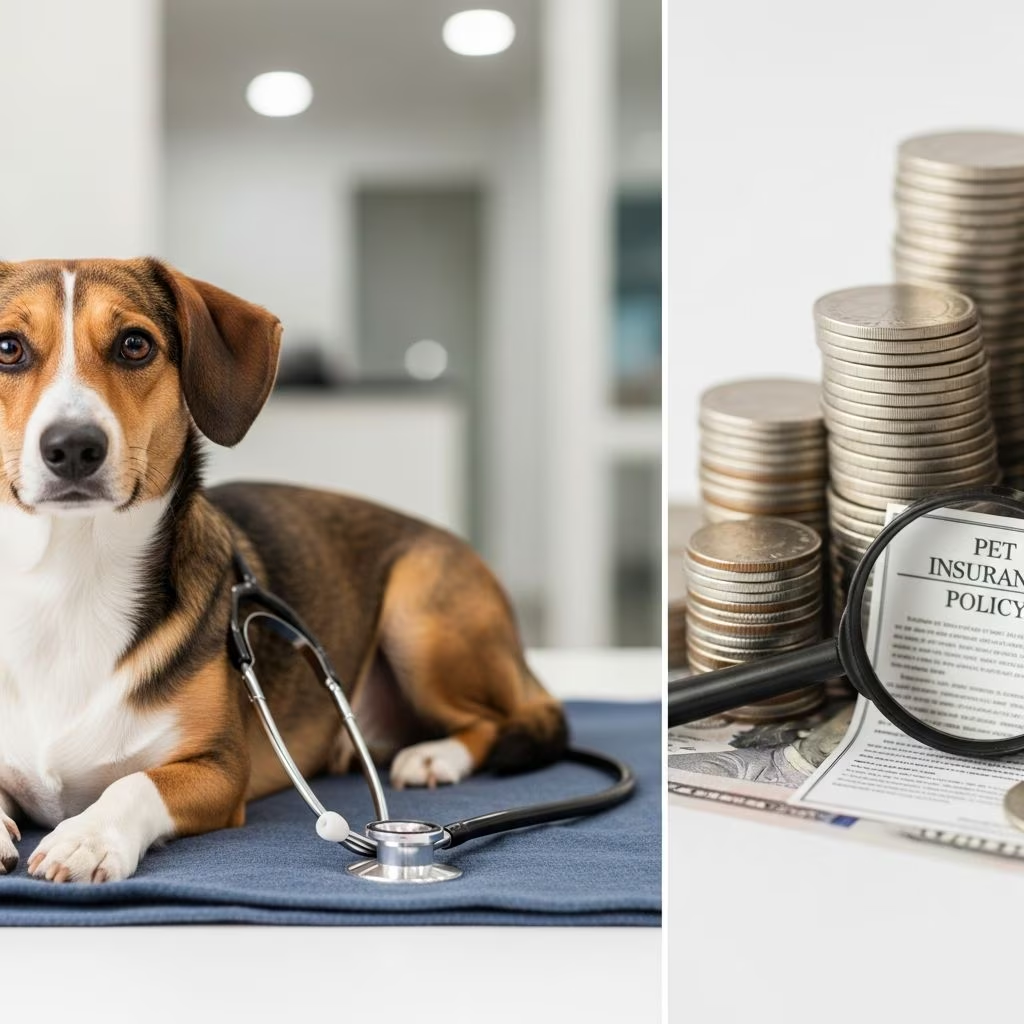
Intervertebral Disc Disease (IVDD) affects countless dogs each year, leading to excruciating pain, mobility loss, and potentially life-altering surgeries. Pet insurance can be a vital safety net, covering diagnostics, medications, and surgical interventions, but coverage varies by provider and policy. This article breaks down IVDD essentials, treatment pathways, financial implications, and insurance specifics to help you decide on the right protection for your canine companion.
Understanding IVDD: A Common Spinal Threat to Dogs
IVDD occurs when the soft cushions between spinal vertebrae—known as intervertebral discs—degenerate or rupture, pressing on the spinal cord. This condition is especially prevalent in breeds with elongated spines, such as Dachshunds, Beagles, and Corgis, due to genetic predispositions that weaken disc integrity over time. There are two primary forms: Type I, which involves sudden disc extrusion and acute symptoms, and Type II, characterized by slower, chronic degeneration.
The spinal cord’s compression disrupts nerve signals, resulting in a spectrum of neurological impairments. Early recognition is crucial, as prompt intervention can prevent permanent damage. Owners often overlook subtle initial signs, mistaking them for age-related stiffness or minor injuries, which delays care and worsens outcomes.
Recognizing the Warning Signs of IVDD
Symptoms of IVDD manifest differently based on the affected spinal region—cervical (neck), thoracolumbar (mid-back), or lumbosacral (lower back)—and severity. In the neck area, dogs may hold their heads low, exhibit widespread weakness in all limbs, or knuckle their paws while walking. Thoracolumbar IVDD commonly leads to hind limb paralysis, dragging toes, or loss of coordination.
Common indicators include:
- Reluctance to jump, climb stairs, or engage in play
- Hunched posture, tense muscles, or shivering
- Crying out when touched or moved
- Unsteady gait, wobbling, or complete inability to stand
- Loss of bladder or bowel control, signaling severe compression
These signs can escalate rapidly, particularly in Type I cases, progressing from mild discomfort to full paralysis within hours. Veterinary assessment via physical exams, myelograms, or MRI confirms diagnosis and grades severity from Stage 1 (pain only) to Stage 5 (paralysis without deep pain sensation).
Treatment Pathways: From Conservative Care to Surgical Intervention
IVDD management hinges on symptom severity and speed of progression. Mild cases (Stages 1-2) respond well to conservative approaches, while advanced stages demand urgent surgery.
Non-Surgical Options for Early-Stage IVDD
For dogs showing pain without significant weakness, veterinarians prescribe strict crate rest for 4-6 weeks to minimize spinal movement and promote natural healing. This is paired with medications:
- NSAIDs (e.g., carprofen) or steroids (e.g., prednisone) to curb inflammation and pain
- Gabapentin for neuropathic discomfort
- Muscle relaxants like methocarbamol to ease spasms
Physical therapy, including controlled exercises and acupuncture, aids recovery by strengthening supporting muscles. Owners must manually express the bladder if incontinence occurs, preventing urinary tract issues. Success rates exceed 90% in non-paralyzed cases with adherence.
When Surgery Becomes Essential
Severe IVDD (Stages 3-5), especially with paralysis or absent deep pain perception, requires decompressive surgery like laminectomy or hemilaminectomy. This removes herniated disc material, relieving spinal cord pressure. Performed within 48 hours of onset, surgery boosts recovery odds to 50-90%, depending on the grade.
Post-operative care mirrors conservative treatment: prolonged rest, physiotherapy, and bladder management. Full mobility may take weeks to months, with some dogs needing carts for permanent deficits.
Financial Burden of IVDD: Costs You Need to Anticipate
IVDD treatment expenses can overwhelm unprepared owners. Conservative management, including diagnostics (X-rays: $100-500, MRI: $1,500-3,000) and meds, totals $1,000-3,000. Surgery adds $3,000-8,000 per procedure, plus rehab ($500-2,000), potentially exceeding $10,000 for complex cases.
| Treatment Type | Estimated Cost Range | Common Components |
|---|---|---|
| Diagnostics | $500-$4,000 | X-rays, MRI, Neurologic Exam |
| Conservative Care | $1,000-$3,000 | Medications, Crate Rest, PT |
| Surgery | $3,000-$8,000 | Laminectomy, Hospital Stay |
| Rehabilitation | $500-$2,500 | Physio, Follow-ups |
| Total (Severe Case) | $5,000-$15,000+ | All Above |
These figures underscore why pet insurance is indispensable, shielding families from bankruptcy-level vet bills.
Navigating Pet Insurance Coverage for IVDD
Most comprehensive pet insurance plans cover IVDD as a treatable condition, reimbursing 70-90% of eligible costs after deductibles. Accident-and-illness policies typically include diagnostics, meds, surgery, and rehab, but exclusions apply. Wellness add-ons may cover preventive care like breed screenings.
Coverage hinges on:
- Pre-Existing Conditions: Policies exclude issues symptomatic before enrollment. Enroll healthy puppies or wait 12-18 months post-symptom-free period for breeds at risk.
- Deductibles & Reimbursement: Choose $250-1,000 deductibles; higher ones lower premiums.
- Annual Limits: Opt for unlimited or $10,000+ to handle severe cases.
- Breed-Specific Riders: Some insurers offer IVDD-focused plans for high-risk breeds.
Providers like those emphasizing customizable coverage often excel, reimbursing crate rest, electroacupuncture, and even hydrotherapy. Always review sample policies for IVDD scenarios.
Preventive Strategies to Lower IVDD Risks
While genetics play a role, lifestyle modifications mitigate IVDD onset:
- Maintain ideal weight to reduce spinal stress
- Avoid high-impact activities like jumping from heights
- Use ramps for furniture and cars
- Regular low-impact exercise (swimming, leashed walks)
- Annual neurologic checks for at-risk breeds
Supplements like glucosamine may support disc health, though evidence is anecdotal. Early spaying/neutering timing lacks consensus but warrants vet discussion.
Realistic Prognosis: Recovery Odds by Stage
Outcomes improve with swift action:
- Stage 1-2: 95-100% recover fully with rest/meds.
- Stage 3: 80-90% walk post-surgery.
- Stage 4: 50% chance if operated early.
- Stage 5: <10% without pain sensation; euthanasia considered.
Long-term, 20-30% of surgically treated dogs face recurrences, necessitating lifelong management.
FAQs: Pet Insurance and IVDD Essentials
Q: Is IVDD covered under all pet insurance plans?
A: Most accident-and-illness policies cover it if not pre-existing. Check for orthopedic exclusions.
Q: How much does IVDD surgery cost without insurance?
A: $3,000-$8,000, plus diagnostics and aftercare, often totaling over $10,000.
Q: Can IVDD be cured without surgery?
A: Yes, in mild cases with strict rest and meds; success nears 90%.
Q: Which breeds are most prone to IVDD?
A: Dachshunds (45-75% risk), French Bulldogs, Shih Tzus, and other chondrodystrophic types.
Q: What should I do if my dog shows IVDD signs?
A: Seek emergency vet care immediately—delays risk permanent paralysis.
Choosing the Right Insurance for High-Risk Breeds
For IVDD-prone dogs, prioritize policies with high limits, low waiting periods (14 days for illness), and direct vet payment options. Compare quotes annually, as premiums rise with age. Bundle with wellness for routine spine checks. Insuring young, asymptomatic pets maximizes value, turning potential disasters into manageable events.
IVDD doesn’t discriminate by lifestyle, but preparation does. By securing robust coverage, you ensure your dog’s quality of life remains uncompromised, no matter the spinal setback.
References
- Intervertebral Disk Disease in Dogs (IVDD) in Dogs — PetMD. 2023. https://www.petmd.com/dog/conditions/neurological/c_dg_intervertebral_disc_disease
- Intervertebral Disk Disease in Dogs — Today’s Veterinary Practice. 2022. https://todaysveterinarypractice.com/neurology/intervertebral-disk-disease-in-dogs/
- Intervertebral Disc Disease (IVDD) in Dogs — Carolina Veterinary Specialists. 2020-08-14. https://www.winston-salem.carolinavet.com/site/pet-health-advice-blog/2020/08/14/intervertebral-disc-disease-ivdd-in-dogs
- IVDD in Dogs: Emergency Signs & Fast Action Steps — GSVS. 2024. https://gsvs.org/blog/ivdd-dogs-emergency-signs/
- IVDD/slipped disc in dogs — PDSA. 2025. https://www.pdsa.org.uk/pet-help-and-advice/pet-health-hub/conditions/ivddslipped-disc-in-dogs
- IVDD in Dogs: Prognosis Based on Clinical Signs — Veterinary Neurology of Chesapeake. 2023. https://www.vetneurochesapeake.com/vnioc-blog/ivdd-in-dogs-prognosis-based-on-clinical-signs



