

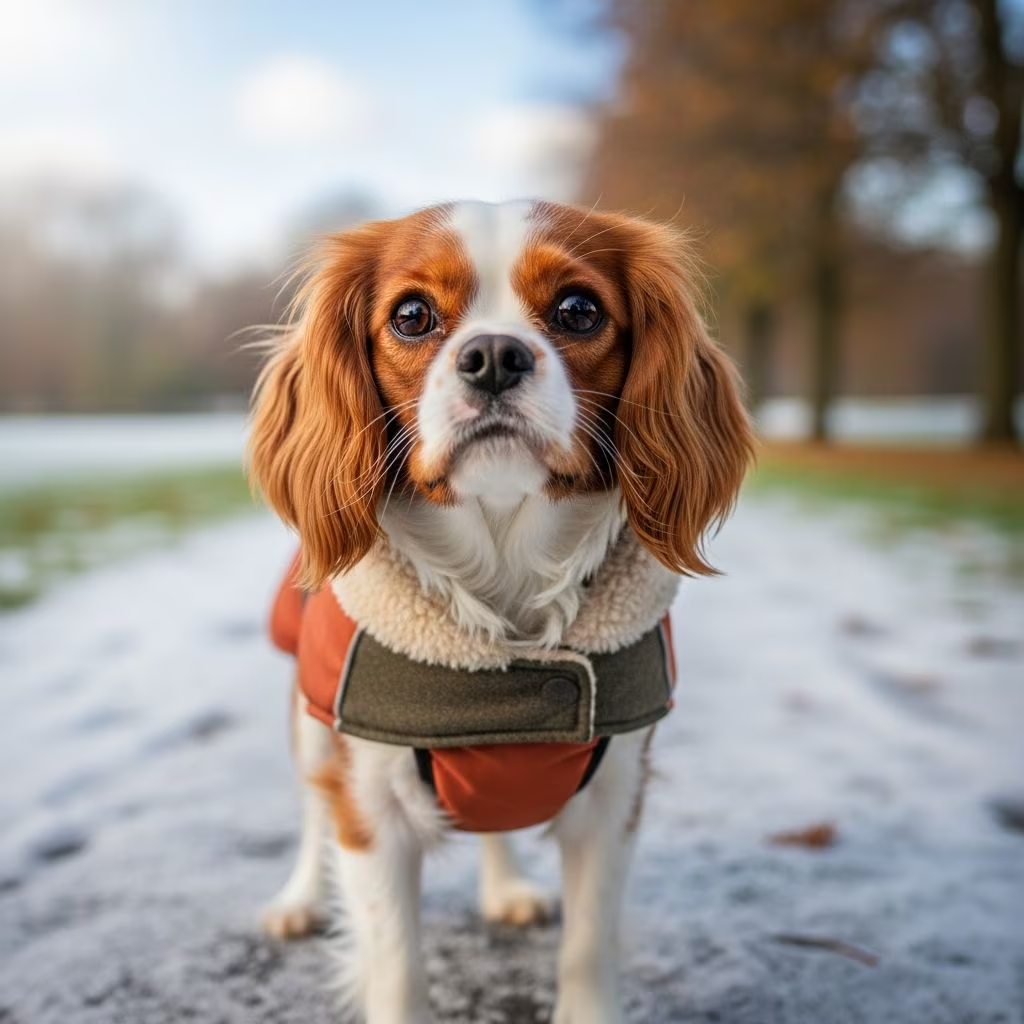
When temperatures drop and you pull out your warmest jacket, it is natural to wonder whether your dog needs an extra layer, too. Some dogs are built to thrive in the cold, while others can become chilled or even unsafe in surprisingly mild conditions. Understanding your dog’s body, coat type, age, and lifestyle will help you decide if a winter coat is a practical necessity or a cute-but-optional accessory.
This guide explains how to tell if your dog needs a coat, which dogs are most vulnerable to cold, how to choose the right jacket, and how to help your pup feel comfortable wearing one.
Do All Dogs Need a Coat?
Not every dog needs a winter coat, even in snowy weather. Large breeds with thick, double-layered fur are naturally insulated against low temperatures and often stay warm and comfortable without additional clothing. In contrast, dogs with short or thin coats, small body size, certain health conditions, or very low body fat are more likely to benefit from an extra layer outdoors.
Instead of assuming all dogs need clothes, focus on how your individual dog responds to cold. A coat is a tool: for some dogs it is essential safety gear; for others it is unnecessary or even uncomfortable if it leads to overheating.
Key signs your dog may need a coat
- Shivering or trembling shortly after going outside.
- Hunched posture or tucking the tail tightly under the body.
- Lifting or holding up paws as if the ground is too cold.
- Whining, slowing down, or trying to turn back home on walks.
- Refusing to eliminate outside because they are too uncomfortable to stay out.
If you notice one or more of these behaviors in cold weather, especially in wind, rain, or snow, your dog is likely uncomfortable and would benefit from a coat and shorter outdoor sessions.
Which Dogs Are Most Likely to Need a Coat?
Veterinary and behavior experts note that a dog’s size, coat type, age, and body condition all influence how much protection they need in winter. Some groups of dogs are consistently more vulnerable to cold.
Small and Toy Breeds
Small and toy dogs lose body heat quickly because of their high surface-area-to-volume ratio and low body mass, making it harder to maintain a safe temperature in cold air. Breeds such as Chihuahuas, Italian Greyhounds, Yorkshire Terriers, and many small mixed-breed dogs often benefit from a coat even in moderately cool weather.
- Short legs mean their bellies and chests are closer to snow and slush.
- They can become chilled in cold wind or rain even if the air temperature is above freezing.
- Short outdoor trips with a well-fitted coat usually help them stay comfortable.
Short-Haired and Single-Coated Dogs
Dogs with short, sleek fur or those lacking a dense undercoat do not trap warm air against the skin as effectively as double-coated breeds. This makes them more prone to feeling cold, especially when the weather is damp or windy.
- Examples: Pit bull–type dogs, Boxers, Dobermans, Greyhounds, Whippets, and many terriers.
- They usually need a jacket earlier in the season than fluffy, double-coated breeds.
- Water-resistant outer layers and insulated linings are particularly helpful.
Dogs With Clipped or Shaved Coats
Breeds that are commonly clipped, like Poodles and some long-haired companion dogs, lose much of their natural insulation when their fur is cut short. Any dog that has been recently shaved for grooming, medical, or hygiene reasons has less protection from wind and cold.
- After a close clip, even a medium or large dog can become chilly more quickly.
- Lightweight jackets can help on cool days; insulated coats are useful in true winter weather.
Lean-Bodied and Athletic Breeds
Lean, muscular dogs with very little body fat are less insulated naturally and can cool down quickly in low temperatures. High-energy sporting breeds that run or train outdoors in winter can be at particular risk when resting between bursts of activity.
- Examples: Greyhounds, Whippets, Salukis, Vizslas, German Shorthaired Pointers.
- They may need coats during low-intensity activities like walking or waiting on the sidelines.
- Breathable but insulated jackets help them stay warm without overheating when they move.
Puppies, Senior Dogs, and Dogs With Health Conditions
Very young, elderly, or chronically ill dogs of any breed or size are generally more sensitive to cold. Young puppies are still developing efficient temperature regulation, and senior dogs may have slower circulation or joint disease.
- Dogs with arthritis or mobility issues may become stiffer and more painful in the cold.
- Dogs with heart disease or endocrine disorders can have difficulty maintaining normal body temperature.
- These dogs usually benefit from coats in cool and cold conditions, plus shorter, more frequent walks.
Always speak with your veterinarian if your dog has a chronic illness and you are unsure how much cold is safe.
Which Dogs Usually Do Not Need a Coat?
Many large, double-coated breeds are specifically developed to live and work in cold environments. Their dense undercoats trap warm air close to the skin and provide excellent natural insulation.
- Typical examples include Alaskan Malamutes, Siberian Huskies, Newfoundlands, Saint Bernards, and Bernese Mountain Dogs.
- These dogs often prefer cold weather and can overheat if overdressed.
However, even cold-adapted breeds can be at risk during extreme temperatures, strong wind, or prolonged exposure. Ice, slush, and road salt can still injure their paws and skin, and they are not immune to frostbite or hypothermia if left out too long.
How Cold Is Too Cold for My Dog?
There is no single temperature that is safe or unsafe for every dog. Instead, consider the whole picture: temperature, wind chill, moisture, your dog’s characteristics, and how long you plan to be outside. Veterinary guidance suggests that risk increases as temperatures drop below freezing, especially for small, short-haired, elderly, or ill dogs.
| Conditions | Most dogs with coats | High-risk dogs without coats |
|---|---|---|
| Cool (around 5–10°C / 41–50°F), dry, low wind | Comfortable for most; coat optional | Small, short-haired, or elderly dogs may need light jacket |
| Cold (0 to 5°C / 32–41°F), windy or wet | Many dogs benefit from a coat | High risk; coat and shorter walks advised |
| Below freezing (<0°C / 32°F), snow, ice, or strong wind | Coat recommended for most except robust cold-weather breeds | Limit time outdoors; coat, booties, and close supervision |
Always watch your dog’s behavior. If they show signs of discomfort, shiver, or slow down dramatically, it is time to head inside, regardless of the number on the thermometer.
Types of Dog Coats and Jackets
Once you decide your dog needs a coat, choosing the right style matters. Features like insulation, water resistance, and fit all affect how warm and comfortable your dog will be.
Lightweight Jackets
Lightweight jackets are ideal for cool fall or early spring weather when your dog seems chilly but does not need heavy insulation.
- Often made of thin fleece or soft fabric.
- Good for small or short-haired dogs in mild cold.
- Allow more freedom of movement and reduce overheating risk.
Insulated Coats
Insulated winter coats help keep dogs warm in colder temperatures and snow.
- Common linings include fleece, quilted synthetic fill, or other insulating materials.
- Best for dogs who shiver in cold or spend longer periods outside.
- Useful for walks, hikes, and outdoor play in winter.
Waterproof and Weather-Resistant Jackets
Wet fur loses insulating power quickly, so staying dry is crucial in rain, sleet, or slush.
- Waterproof or water-resistant outer layers shield your dog from rain and snow.
- Windproof materials block cold gusts that can chill even thick-coated dogs.
- Look for coats that protect the chest and belly, where dogs often get soaked first.
Coats With Built-In Harness Access
Many modern dog coats include openings or integrated harness systems so you can safely attach a leash without compromising fit.
- A leash portal allows clip-through access to back-clip harnesses.
- Some designs have a harness built into the coat for secure, streamlined use.
- Ensure openings do not rub or create pressure points when your dog moves.
Other Helpful Features
- Sanitary cut-outs so your dog can comfortably urinate and defecate without soiling the coat.
- Reflective trim for visibility on dark winter walks.
- Adjustable straps at the chest and belly to fine-tune fit.
- Easy closures (like buckles or hook-and-loop) for dogs who dislike clothing being pulled over their head.
How to Choose the Right Coat for Your Dog
Selecting a winter coat is more than picking a color you like. Think first about function, climate, and your dog’s body and behavior.
1. Consider Your Climate and Activities
- In cold, dry climates, focus on insulation and wind protection.
- In wet, coastal, or slushy areas, prioritize waterproof materials and coverage.
- Dogs who only go out for quick bathroom breaks may need lighter coats than dogs who hike or play in snow for long periods.
2. Match the Coat to Your Dog’s Breed and Body
- Short-haired, small, or lean dogs usually need thicker, more insulating coats.
- Broad-chested dogs and dogs with deep chests may need specific cuts to avoid gaping or rubbing.
- Very fluffy dogs may need a roomier coat to avoid compressing their fur too tightly, which can reduce its natural insulation.
3. Prioritize Fit and Comfort
A good coat should keep your dog warm without restricting their daily activities.
- Your dog should be able to walk, sit, run, and lie down comfortably.
- The coat should not press into the armpits, neck, or groin.
- Avoid anything so loose that it can twist, snag, or cause tripping.
How to Measure Your Dog for a Coat
Accurate measurements are key to a safe, comfortable fit. Manufacturers may differ slightly in sizing, but most rely on a combination of length, chest, and weight.
- Back length: Measure from the base of the neck (where the collar sits) to the base of the tail, keeping the tape along the spine.
- Chest girth: Wrap the tape around the widest part of the chest, just behind the front legs.
- Neck circumference: Measure around the base of the neck where a collar would lie.
- Weight: Know your dog’s current weight, as many size charts combine weight with chest measurements.
If your dog falls between sizes, it is usually safer to choose the larger size and adjust straps for a snug but not tight fit.
Safety Tips: Avoiding Frostbite and Hypothermia
Even with a coat, dogs can suffer from cold-related injuries if exposed for too long. Veterinary experts emphasize that limiting exposure is the most effective way to prevent frostbite and hypothermia.
- Keep winter walks shorter and more frequent during very cold spells.
- Dry your dog’s fur and paws thoroughly after coming inside.
- Use dog-safe booties or paw balms if ice, salt, or chemicals are on sidewalks.
- Watch ears, tail, and toes for pale, gray, or very cold skin, which can signal frostbite.
If your dog is shivering uncontrollably, weak, confused, or very lethargic after being in the cold, contact a veterinarian immediately, as these can be signs of hypothermia.
Helping Your Dog Get Comfortable Wearing a Coat
Many dogs are unsure about clothing at first. Introducing the coat slowly and positively helps your dog relax and move naturally in their new gear.
- Let your dog sniff and examine the coat while you offer treats.
- Practice placing the coat on for just a few seconds indoors, then remove it and reward.
- Gradually increase the time your dog wears the coat while playing or enjoying something they like.
- Avoid forcing the coat on or laughing at your dog’s discomfort, which can make them more anxious.
Over several short sessions, most dogs learn to associate their coat with going outside and having fun, and will stand still or even get excited when they see it.
Frequently Asked Questions (FAQs)
Q: Does my dog need a winter coat?
A: Many small, short-haired, lean, elderly, or medically fragile dogs benefit from a coat in cold, windy, or wet weather. Large, double-coated breeds often do not need a coat for short outings, but may still require protection in extreme conditions or for prolonged time outdoors.
Q: When should my dog wear a coat?
A: Use a coat whenever your dog shows signs of being cold—such as shivering, lifting paws, or trying to turn back home—or when temperatures are near or below freezing with wind, rain, or snow, especially for higher-risk dogs.
Q: Can a dog overheat in a coat?
A: Yes. Overdressing a thick-coated or very active dog can lead to overheating, particularly during vigorous exercise. Choose lighter layers for mild weather and watch for panting, restlessness, or seeking cool surfaces as signs to remove the coat.
Q: How tight should a dog coat fit?
A: The coat should be snug enough that it does not twist or slip but loose enough to fit two fingers comfortably between the coat and your dog’s body at the neck and chest. Your dog should move freely without chafing under the arms or at the shoulders.
Q: Do dogs with thick fur ever need coats?
A: Cold-adapted, double-coated breeds usually stay warm on their own for short outings, but may still benefit from protection during extreme cold, strong wind, icy rain, or long periods of low activity outdoors. Even these breeds must be protected from frostbite and hypothermia by limiting time outside when conditions are severe.
References
- Cold Weather Safety Tips — American Veterinary Medical Association. 2023-01-10. https://www.avma.org/resources/pet-owners/petcare/cold-weather-animal-safety
- Does My Dog Need a Winter Coat? Finding the Right Jacket for Your Dog — American Kennel Club. 2023-12-05. https://www.akc.org/expert-advice/lifestyle/dog-winter-coat/
- Protecting Pets in Winter — Humane Society of the United States. 2022-12-15. https://www.humanesociety.org/resources/protecting-pets-winter
- Hypothermia and Frostbite in Dogs and Cats — VCA Animal Hospitals. 2021-11-01. https://vcahospitals.com/know-your-pet/hypothermia-and-frostbite-in-dogs-and-cats



