

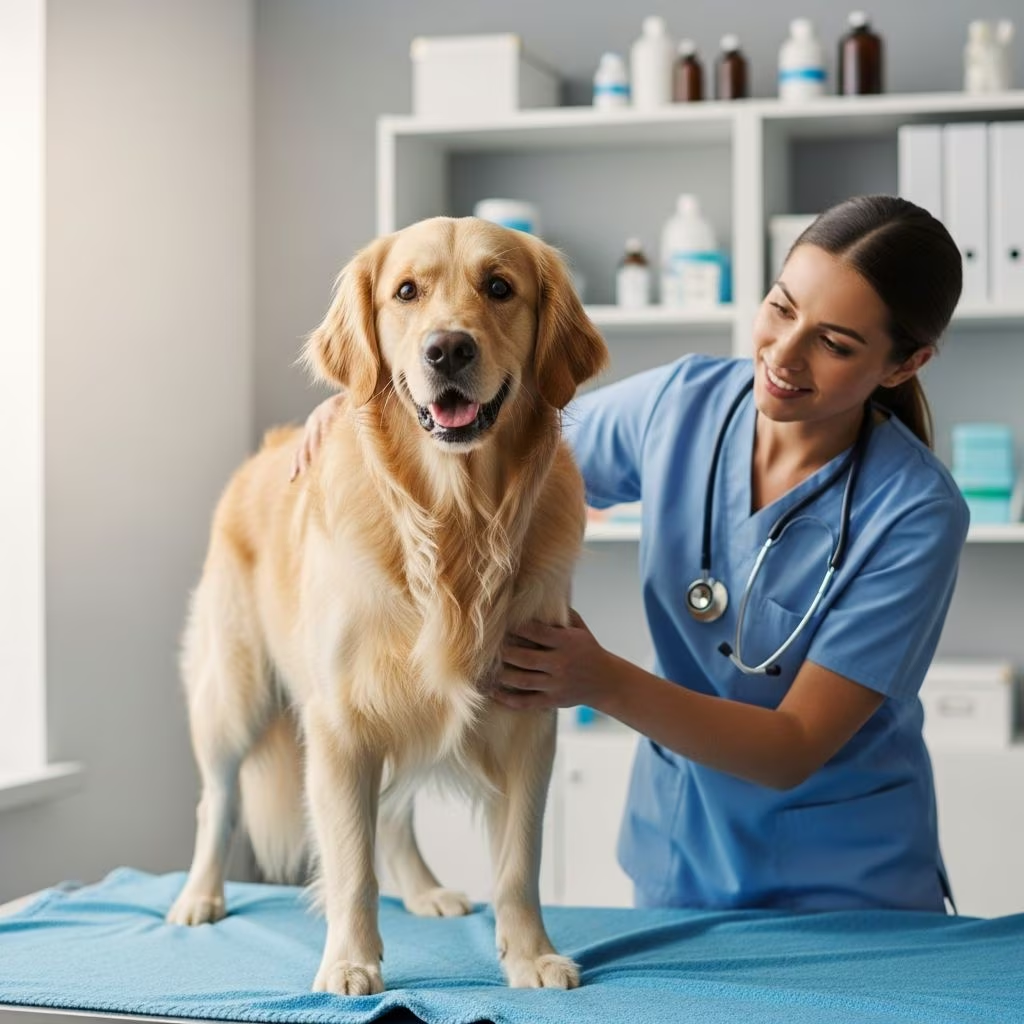
Regular vet check-ups are far from routine admin—they’re an essential part of keeping your dog happy and healthy long-term. While you might notice obvious signs of illness, many health issues develop gradually, making professional exams crucial for early detection and intervention.
Annual visits allow vets to spot subtle changes that pet owners often miss, from joint stiffness to dental problems and heart irregularities. These check-ups not only prevent minor issues from escalating but also provide opportunities to discuss medications, parasite prevention, and personalized care plans. Prioritizing these appointments ensures your furry companion enjoys a longer, more comfortable life.
Gradual Changes Not Seen at Home
Some health issues creep in so gradually that you don’t even spot them. For instance, stiffness from arthritis can develop slowly, with your dog adjusting to it until it becomes their new ‘normal.’ Unlike a sudden limp, a slow ache or joint discomfort might go unnoticed at home.
Your vet, however, is trained to detect these subtle changes. During the exam, they’ll observe how your dog moves in the exam room, palpate for pain or swelling, and ask targeted questions to build a complete picture. This is particularly vital for older dogs, where arthritic changes are common. Early detection enables interventions like joint supplements, pain relief, or lifestyle adjustments, significantly improving mobility and comfort.
Research from the Waltham Petcare Science Institute validates using behavioral signs and activity data to detect such issues early. Studies using motion-sensing trackers like Whistle have shown that deep learning can identify deviations from normal behavior associated with conditions like pain or illness.
A Proper Look at Their Teeth
Dental health is a major concern for dogs, yet it’s often overlooked by owners. Unless your dog tolerates regular brushing, you rarely get a close look inside their mouth. Vets perform thorough oral exams, checking under the lips and tongue for dental disease, lesions, or unusual growths.
They also assess gum color, which can indicate cardiovascular health—pale or inflamed gums may signal underlying problems. Poor dental hygiene leads to periodontal disease, affecting up to 80% of dogs by age three, according to veterinary guidelines. Early treatment prevents pain, infections, and tooth loss, which can impact eating and overall health.
Incorporate at-home checks by lifting your dog’s lips weekly to monitor plaque buildup, but leave professional cleanings to the vet, often requiring anesthesia for safety and efficacy.
Heart and Lung Checks
Using a stethoscope for auscultation, vets listen to your dog’s heart and lungs, detecting abnormalities you couldn’t hear at home. Conditions like congestive heart failure often begin silently, but routine checks catch murmurs or irregular rhythms early.
Early intervention with medications or dietary changes can extend life expectancy and maintain quality of life. Breeds prone to heart issues, such as Cavaliers or Boxers, benefit most from annual monitoring. The Royal College of Veterinary Surgeons emphasizes these exams as standard in wellness visits.
Subtle Weight and Muscle Changes
Seeing your dog daily makes gradual weight fluctuations or muscle wasting hard to notice. Cachexia—muscle loss in specific areas—can indicate heart disease, kidney issues, or cancer. Sarcopenia, natural age-related loss, differs and requires vet differentiation.
Vets track your dog’s weight history, flagging deviations. Sudden gain might suggest hypothyroidism, while loss could point to diabetes or gastrointestinal problems. Maintaining a body condition score (BCS) chart helps: ideal is 4-5/9, where ribs are palpable but not visible.
| BCS | Description | Action |
|---|---|---|
| 1-3 | Underweight (ribs prominent) | Investigate causes, increase calories |
| 4-5 | Ideal (ribs palpable) | Maintain diet/exercise |
| 6-9 | Overweight (no waist) | Weight loss plan |
Ear Examinations
Dogs’ L-shaped ear canals hide deep infections invisible to the naked eye. Vets use an otoscope to inspect fully, checking for wax buildup, inflammation, or yeast. Symptoms like head shaking or odor warrant immediate attention—breeds like Spaniels or Labs are prone.
Untreated infections cause chronic pain and hearing loss. Clean ears weekly at home with vet-approved solutions, but exams ensure no deeper issues.
Medications and Parasite Protection
Since September 2023, Royal College of Veterinary Surgeons (RCVS) rules require a physical exam before prescribing flea, tick, or worm treatments. Skipping check-ups means last-minute bookings for preventatives, which are non-negotiable against heartworm or tapeworms.
Discuss year-round protection tailored to your area’s risks. Health plans often bundle these, saving costs.
A Chance to Ask Questions
Vet visits are perfect for addressing nagging concerns: odd behaviors, diet tweaks, or supplement efficacy. Jot notes or record videos—vets appreciate visuals for accurate advice.
DIY checks complement this: observe posture, skin turgor (tent skin on neck; should snap back), hydration, and belly for lumps. Note ADR (ain’t doin’ right) signs like lethargy, and report them.
It’s Worth the Time
Regular check-ups catch issues early, manage care, and fulfill insurance/prescription needs. Many practices offer plans with boosters and exams at discounts—ask yours.
Combine with telehealth for minor queries, but physical exams remain gold standard. The American Animal Hospital Association (AAHA) recommends annual or biannual visits based on age.
Frequently Asked Questions (FAQs)
How often should my dog have a vet check-up?
Puppies need visits every 3-4 weeks until 16 weeks, adults annually, seniors (7+) biannually. Adjust for breed/health.
What if my dog seems healthy?
Even healthy dogs benefit from early detection of silent issues like heart murmurs or dental disease.
Can I do check-ups at home?
Yes, for basics like skin, eyes, and weight, but vets provide professional tools and expertise.
How much does a vet check-up cost?
£40-£80 in the UK, varying by location/services. Plans reduce costs.
What vaccines are needed annually?
Boosters for leptospirosis, parainfluenza; discuss with vet based on lifestyle.
References
- 9 Reasons Not To Sleep On Regular Vet Check-Ups — Kinship. 2023-09. https://www.kinship.com/uk/dog-health/does-my-dog-need-vet-check-up
- RCVS Guidance on Prescription-Only Medicines — Royal College of Veterinary Surgeons. 2023-09-01. https://www.rcvs.org.uk/ordering-of-prescription-only-medicines-guidance/
- Seven Step DIY Dog Checkup — Kinship. 2024. https://www.kinship.com/dog-health/diy-dog-checkup
- Pet Wellness Guidelines — American Animal Hospital Association (AAHA). 2022-06-15. https://www.aaha.org/resources/2022-aaha-canine-life-stage-approach-to-preventive-health/
- Validation of Pet Behavioural Signs to Detect Disease — Animals Journal (Waltham Petcare Science Institute). 2021-10-20. https://www.mdpi.com/2076-2615/11/11/3043
- Periodontal Disease in Dogs — Merck Veterinary Manual. 2024-01. https://www.merckvetmanual.com/dog-owners/disorders-affecting-multiple-body-systems-of-dogs/periodontal-disease-in-dogs



