

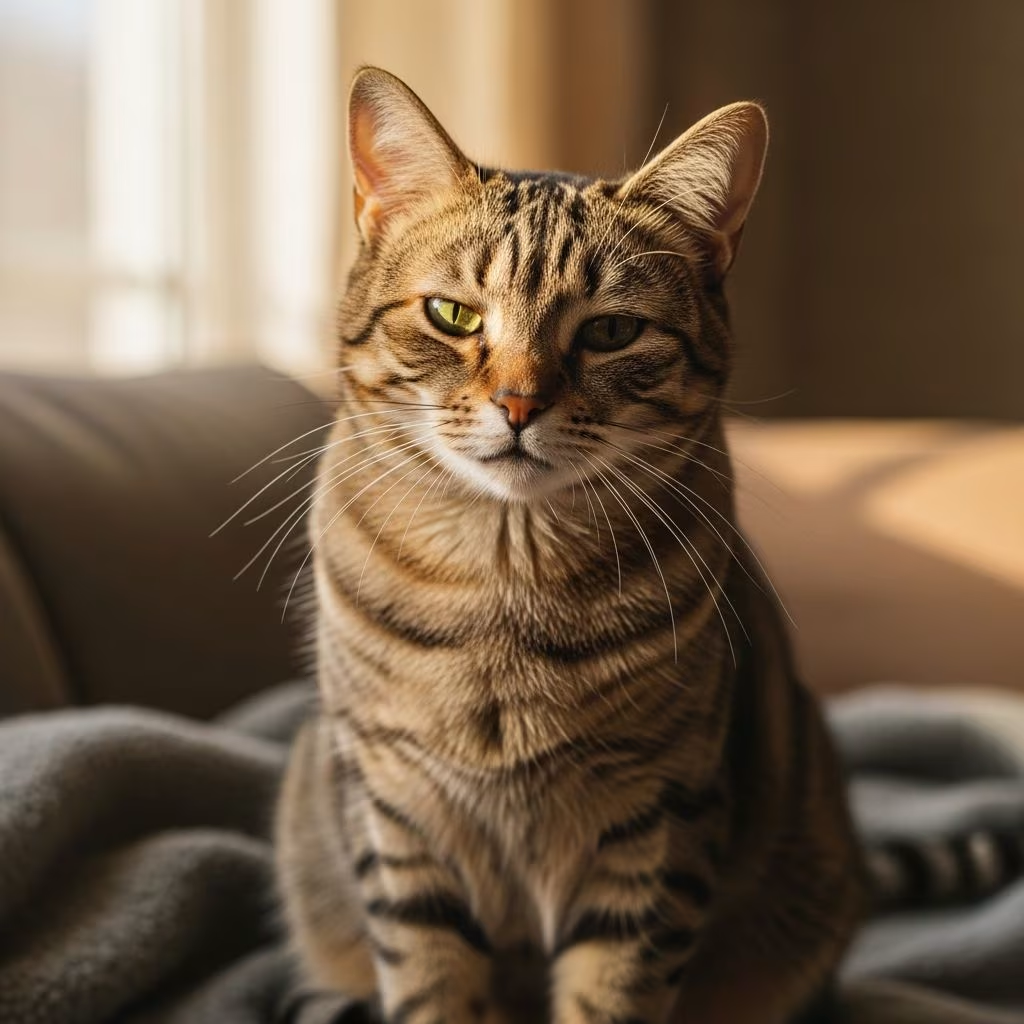
Cats are masters of masking illness, making it challenging for owners to know when a vet visit is essential. Understanding subtle signs of distress can prevent minor issues from escalating into emergencies, ensuring your feline companion’s long-term health and happiness.
Why Cats Hide Illness
In the wild, showing weakness invites predators, so domestic cats instinctively conceal pain or sickness. This evolutionary trait means symptoms often appear only when conditions are advanced. Dr. Bruce Kornreich from the Cornell Feline Health Center emphasizes early detection: “The sooner you catch a problem, the more likely a medical or surgical outcome will be successful.” Regular observation is key to overriding this camouflage.
Common reasons cats hide illness include instinctual survival behaviors and stoic personalities. Indoor cats, especially, may seem fine until sudden declines occur. Proactive monitoring bridges this gap.
Signs Your Cat Definitely Needs a Vet
Not every odd behavior warrants a trip, but these red flags demand immediate attention:
- Loss of appetite or thirst changes: Skipping even one meal or excessive drinking signals issues like kidney disease or diabetes.
- Lethargy or hiding: Uncharacteristic withdrawal from family or play indicates pain or infection.
- Vomiting or diarrhea: Persistent episodes (more than 24 hours) suggest gastrointestinal distress or parasites.
- Breathing difficulties: Labored, rapid, or open-mouth breathing points to respiratory or heart problems.
- Urination issues: Straining, blood in urine, or frequent small amounts signal urinary tract infections or blockages, a life-threatening emergency in males.
- Seizures or disorientation: Sudden tremors, circling, or confusion require urgent neurological evaluation.
- Wounds or swelling: Any injury not improving or abscesses need professional cleaning and antibiotics.
According to the American Veterinary Medical Association, early intervention boosts survival rates significantly for conditions like these.
Subtle Symptoms That Might Need a Vet
Less obvious cues can still merit a checkup:
- Weight loss: Gradual thinning despite normal eating often precedes diabetes or hyperthyroidism in seniors.
- Excessive grooming or bald patches: Stress, allergies, or skin infections may cause overgrooming.
- Changes in litter habits: Avoiding the box or altered posture hints at arthritis or cystitis.
- Bad breath or drooling: Dental disease affects 70% of cats over age 3, per veterinary studies.
- Coughing or sneezing: Upper respiratory infections are common but can worsen without treatment.
Monitor for 24-48 hours; if unresolved, consult your vet. Bloodwork during routine exams can catch silent issues like early kidney decline.
Routine Vet Visits: How Often Does My Cat Need One?
Preventive care trumps crisis management. Frequency varies by life stage:
Kittens (Under 1 Year)
Kittens need 4-5 visits in their first year for vaccines, deworming, fecal tests, microchipping, and spay/neuter. Core vaccines include FVRCP (feline viral rhinotracheitis, calicivirus, panleukopenia) and rabies. Dr. Amy Stone notes these ensure growth milestones and screen for congenital defects like cleft palates.
Adult Cats (1-10 Years)
Annual exams include physical checks, booster vaccines, bloodwork, and parasite screens. Only 54% of cat owners comply, per AVMA data, risking undetected issues.
Senior Cats (Over 10 Years)
Biannual visits are recommended as diseases like hyperthyroidism, arthritis, and cancer rise. Vaccines like rabies continue, plus monitoring for diabetes and heart conditions.
| Life Stage | Recommended Frequency | Key Checks |
|---|---|---|
| Kitten | 4-5 times/year 1 | Vaccines, deworming, growth exam |
| Adult | Annually | Exam, boosters, bloodwork |
| Senior | Twice yearly | Full senior panel, dental |
What Happens During a Cat Vet Checkup?
A standard visit starts with history-taking on appetite, litter habits, and behavior. The physical exam covers eyes, ears, teeth, heart, lungs, abdomen, and weight. Vaccinations, fecal tests ($25-50), and bloodwork ($100-200) follow as needed. Flea/tick/heartworm prevention is discussed.
For seniors, advanced tests detect subclinical diseases early.
Cost of Vet Visits Without Insurance
Routine exams cost $45-75, vaccinations $15-35 each, full wellness $100-200. Dental cleanings run $150-1,000+, emergencies $100-200 exam plus treatments. Location, clinic type (private vs. nonprofit), and cat’s condition affect prices. Urban areas and specialties cost more.
Preventives like monthly flea meds ($15-30) save long-term.
Pet Insurance: Does It Cover Vet Visits?
Most plans cover exam fees for illnesses/injuries (75% of Embrace policies do). Wellness add-ons handle routines. It’s ideal for unpredictable costs, allowing best-care decisions without financial barriers.
Home Monitoring and Preventive Care
Between visits:
- Weigh monthly; track trends.
- Check gums (pink, not pale/red), eyes clear, coat shiny.
- Provide dental chews, balanced diet for weight control.
- Minimize stress with routines, hiding spots.
- Use telehealth for non-emergencies like mild sneezing.
Nutrition prevents obesity-linked issues; consult vets for tailored diets.
When to Seek a Second Opinion
If a diagnosis feels off or treatment unaffordable, get another view. You know your cat best; trusted vets welcome questions.
Frequently Asked Questions (FAQs)
Is it expensive to take my cat to the vet?
Routine visits cost $50-200 without insurance, but early detection saves money long-term. Insurance or wellness plans reduce out-of-pocket expenses.
How do I know if my cat is in pain?
Signs include reduced activity, aggression, hunched posture, or vocalizing. Cats hide pain well, so behavioral shifts are key indicators.
Can I treat my cat’s illness at home?
Only mild issues like hairballs; anything persistent needs professional care to avoid complications.
Do indoor cats need annual vet visits?
Yes, for vaccines, dental checks, and early disease detection, even without outdoor risks.
What if my cat hates the vet?
Use pheromone sprays, carriers as beds, and short trips. Reward calm behavior; some clinics offer fear-free handling.
Bottom Line
Your cat relies on you to spot health changes they can’t voice. Routine visits and vigilant home checks extend life and quality. Don’t delay—schedule that annual exam today for peace of mind.
References
- How Often Should You Take Your Cat to the Vet? — Kinship. 2023. https://www.kinship.com/cat-health/how-often-do-you-take-a-cat-to-the-vet
- How Much Is a Vet Visit for a Cat Without Insurance? — Kinship. 2023. https://www.kinship.com/cat-health/how-much-is-vet-visit-for-cat-without-insurance
- Does Pet Insurance Cover Vet Visits? What to Expect — Kinship. 2023. https://www.kinship.com/pet-health/does-pet-insurance-cover-vet-visits
- Access to veterinary care: evaluating working definitions, barriers — PMC (PubMed Central). 2024-01-15. https://pmc.ncbi.nlm.nih.gov/articles/PMC10830634/
- When You Should Use Veterinary Telehealth — PetHub. 2023. https://www.pethub.com/articles/2843037/when-you-should-use-veterinary-telehealth



